LONG-LASTING COATINGS
PROTECTING BUILDINGS & PLANET

Buildings Are Under Attack From Weather, Hazards & Aging
Green ENCASEMENT Coatings
Create Long-Lasting Protection Against All of It
Defending What You Have For Decades So You Don’t Have to Replace It


Green Coatings Encasement and its Contribution to Cancer Prevention Month
Thursday, February 16, 2023
Cancer is a devastating disease that affects millions of people worldwide, making it a leading cause of death and disability.
In the fight against cancer, it is crucial to not only focus on treatments and cures, but also to look at ways to prevent the disease from developing in the first place.
One often overlooked aspect of cancer prevention is the role of environmental factors and exposure to toxic chemicals.
Green coatings encasement is a simple yet effective solution to reduce exposure to harmful chemicals and contribute to cancer prevention.
What is Green Coatings Encasement?
Green coatings encasement is a type of eco-friendly coating made from natural materials such as oils, waxes, and resins.
These coatings protect the surface of products from the elements, while also reducing the release of toxic chemicals into the environment.
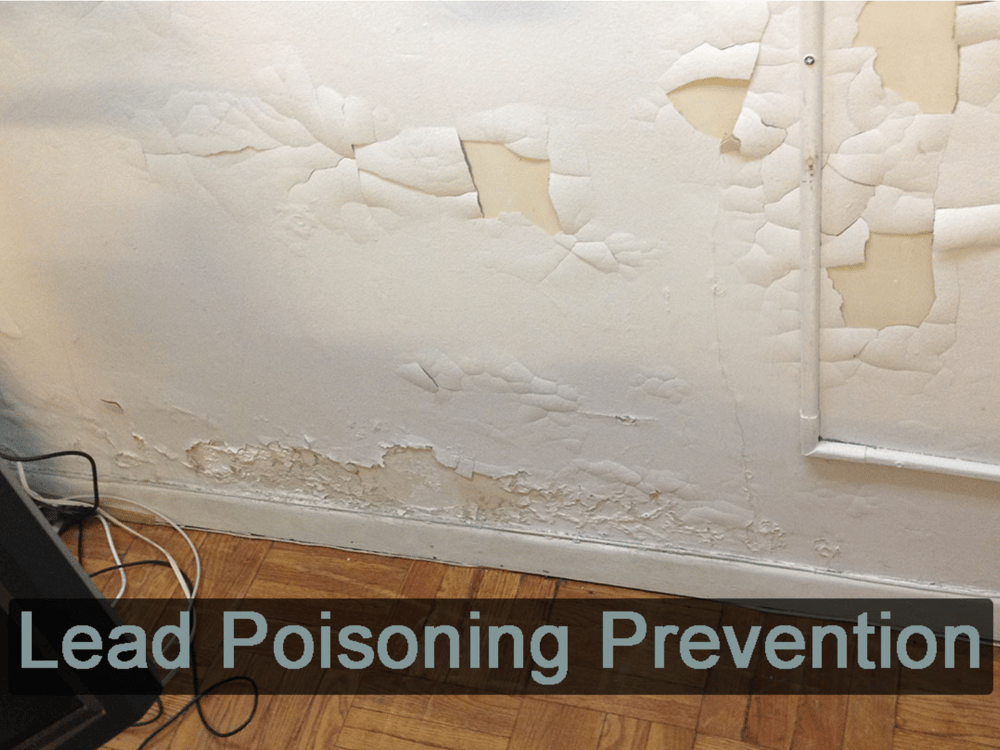
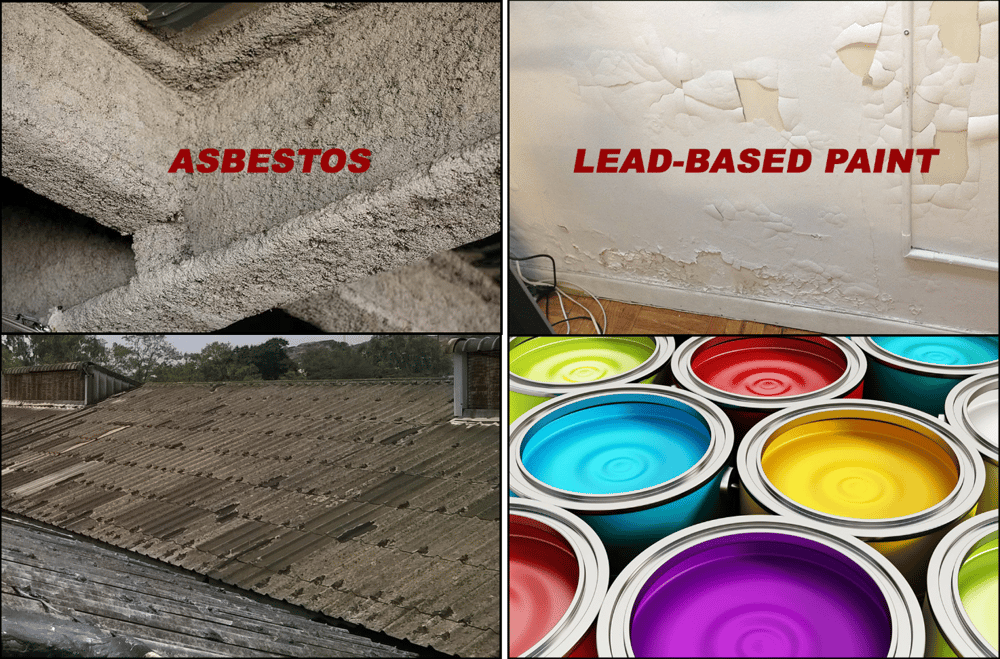
Conventional coatings often contain dangerous chemicals such as lead, cadmium, and mercury, which can increase the risk of cancer and other health problems.
In contrast, green coatings encasement is free from harmful chemicals, making it a safer option for both the environment and human health.
Why is Green Coatings Encasement Important for Cancer Prevention Month?
In recognition of Cancer Prevention Month, it's crucial to shed light on the role that green coatings encasement can play in reducing the risk of cancer.
By reducing exposure to toxic chemicals, green coatings encasement can help to prevent the development of cancer and other health problems caused by exposure to these chemicals.
Additionally, green coatings encasement is a more sustainable choice as it reduces the amount of harmful chemicals released into the environment, conserves natural resources, and promotes a healthier future for all.
In conclusion, green coatings encasement is a simple yet impactful solution to contribute to cancer prevention.
By reducing exposure to harmful chemicals, it can help prevent the development of cancer and other health problems.
As we celebrate Cancer Prevention Month, let's consider the role that green coatings encasement can play in reducing the risk of cancer, protecting our health, and promoting a safer and more sustainable future for all.
By making conscious choices about the products we use in our daily lives, we can contribute to a brighter and healthier future for everyone.
See other posts like this one:


Tuesday, May 11, 2021
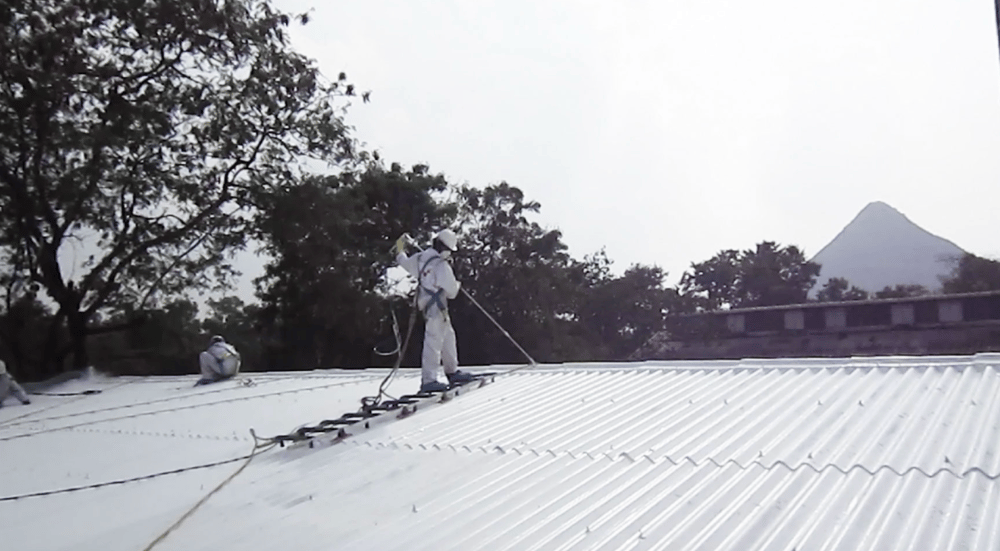
Solving Tough Building Challenges in India with Simple Green Coating Encasement






© Copyright 2026 Global ENCASEMENT, Inc. | ALL Rights Reserved