
LONG-LASTING COATINGS
PROTECTING BUILDINGS & PLANET

Buildings Are Under Attack From Weather, Hazards & Aging
Green ENCASEMENT Coatings
Create Long-Lasting Protection Against All of It
Defending What You Have For Decades So You Don’t Have to Replace It


Best Practices: Integrating Solar Reflective Surfaces and Environmental Coatings
Monday, August 07, 2023
Integrating Solar Reflective Surfaces and Environmental Coatings: Driving Sustainable Surfaces for the Future.
As the world grapples with the challenges posed by climate change and the increasing demand for sustainable solutions, the implementation of best practices and strategies for integrating solar reflective surfaces and long-term environmental coatings into existing structures has gained significant importance.
These innovative approaches not only contribute to mitigating the urban heat island effect but also provide cost-effectiveness, improved return on investment, and enhanced maintenance and performance considerations.
In this blog, I’ll delve into the significance of these sustainable surfaces and explore the various factors that make them essential for the future of our built environment.
Lessening the Urban Heat Island Effect
The urban heat island effect, characterized by higher temperatures in urban areas compared to their surrounding rural regions, is a pressing concern increased by climate change and rapid urbanization.
The inclusion of solar reflective surfaces, such as cool roofs and pavements, plays a crucial role in mitigating this effect.
By reflecting a significant portion of the sun's energy back into the atmosphere, these surfaces reduce the absorption of heat, thereby lowering temperatures in urban areas and alleviating the strain on cooling systems.
Consequently, this can lead to a decreased demand for energy-intensive air conditioning and other cooling equipment, resulting in reduced greenhouse gas emissions and energy consumption.
Cost-Effectiveness and Return on Investment
Integrating solar reflective surfaces and environmental coatings into existing structures presents a compelling economic case. While the initial installation costs may be higher compared to traditional weak, painted surfaces, the long-term benefits and potential savings outweigh the upfront investment.
Solar reflective surfaces can reduce energy consumption for cooling, leading to substantial cost savings on utility bills over the lifespan of a building. Additionally, extended roof and pavement lifespans can be achieved due to reduced thermal stress and enhanced durability, minimizing the need for frequent weak repaints, repairs or replacements.
When considering the whole-life cost and service cycle of a structure, including energy expenses and maintenance, the return on investment for sustainable surfaces becomes evident.
Maintenance and Performance Considerations
Sustainable surfaces offer advantages beyond energy efficiency. Environmental coatings provide a protective layer that enhances the durability of structures, mitigating the effects of weathering, corrosion, and chemical exposure.
By minimizing damage caused by UV radiation, moisture, wind and pollutants, these coatings prolong the lifespan of buildings, reducing the frequency and costs of maintenance. Moreover, the use of reflective surfaces reduces thermal expansion and contraction, which can result in cracks and structural degradation over time.
By minimizing these issues, sustainable surfaces provide long-term structural integrity, ensuring the longevity and performance of buildings.
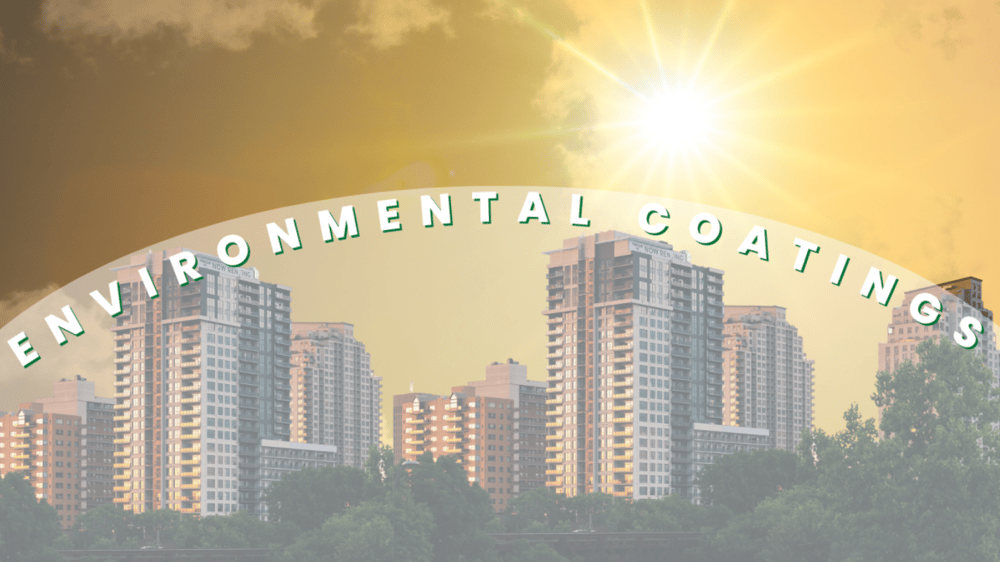
Environmental Benefits
In addition to their economic advantages, integrating solar reflective surfaces and environmental coatings also has positive environmental impacts. By reducing energy consumption, these surfaces contribute to a lower carbon footprint and reduced emissions of greenhouse gases.
Furthermore, the implementation of these sustainable practices aids in preserving water resources. For instance, cool roofs can decrease the heat island effect, leading to lower water consumption for cooling purposes.
Additionally, the increased durability of structures achieved through environmental coatings reduces waste generation from frequent, removal, replacements and repairs, promoting a more sustainable approach to construction and maintenance.
To sum it up
The integration of solar reflective surfaces and environmental coatings into existing structures represents a significant step towards creating a more sustainable built environment. These practices offer multifaceted benefits, including mitigating the urban heat island effect, cost-effectiveness, improved return on investment, enhanced maintenance and performance considerations, and reduced environmental impact.
As we strive to combat climate change and embrace sustainable solutions, adopting best practices for sustainable surfaces is crucial.
By investing in these technologies, we can create a greener and more resilient future for our cities, where buildings are not only aesthetically pleasing but also contribute to the well-being of our planet and its inhabitants.
Don't miss out! Stay updated with our latest blog posts on Roofing Revolution & solar reflective surfaces by subscribing to our blog and checking our website and by following us on our social media accounts.
Join us in exploring the health benefits of Solar Reflective Surfaces and Environmental Coatings
We would also love to hear your feedback!
If you found our blog insightful and informative, please consider writing a review. Your review will not only help us improve but also assist others in discovering valuable information about the health benefits and environmental impact of solar reflective surfaces.
Share your thoughts and support our mission to create healthier, more sustainable communities.
George C. Keefe/ ENCASEMENT Guy
See other posts like this one:








© Copyright 2026 Global ENCASEMENT, Inc. | ALL Rights Reserved