LONG-LASTING COATINGS
PROTECTING BUILDINGS & PLANET
Buildings Are Under Attack From Weather, Hazards & Aging
Green ENCASEMENT Coatings
Create Long-Lasting Protection Against All of It
Defending What You Have For Decades So You Don’t Have to Replace It

Untold {Hidden Dangers} In The Ashes Of Wildfire Aftermath
Tuesday, January 14, 2025

By: George C. Keefe
“If all the greedy polluters can band together to protect their interests, then honest environmentalists must do the same. It's as simple as that.”
Listen and Learn: Dive into the Audio Version of Our Blog
In the wake of devastating wildfires that have scorched communities across the country, a silent threat lurks beneath the visible destruction.
While the immediate danger of flames may have passed, the environmental and health challenges that emerge during cleanup operations present a complex web of risks that demand our attention and innovative solutions.
In this episode I uncover that when fire ravages neighborhoods, it transforms ordinary household items and building materials into potentially hazardous substances.
The innocent-looking ash and debris can harbor dangerous levels of heavy metals, including lead, arsenic, and chromium.
Everything from melted electronics to burnt building materials creates a toxic cocktail that poses significant risks to both cleanup crews and local communities.
Consider this: your neighbor's computer, your garden shed's old paint cans, or the vintage tiles in your grandmother's kitchen – all typically harmless items – can become environmental hazards when consumed by fire.
The transformation is particularly concerning because these materials release toxic particles that can become airborne during cleanup efforts, potentially spreading contamination far beyond the original burn site.
However, there's hope in this challenging situation.
Modern environmental solutions, particularly green technologies like Multi-Penetrating Encapsulant (MPE) by Global ENCASEMENT, Inc. (GEI), are revolutionizing how we approach post-wildfire cleanup.
This eco-friendly, water-based solution offers a powerful way to contain and control hazardous debris while protecting both workers and the environment.
The beauty of MPE lies in its versatility and environmental consciousness.
Unlike traditional water-only suppression methods that provide temporary control until evaporation, MPE penetrates and locks down hazardous materials, creating a barrier that can prevent toxic particles from becoming airborne or leaching into soil and water sources.
This innovative approach means safer cleanup operations and better protection for our communities and ecosystems.
What makes this solution particularly remarkable is its alignment with environmental sustainability.
As a zero-VOC, non-toxic, biodegradable product, MPE demonstrates that effective disaster response doesn't have to come at the cost of environmental health.
It's a testament to how modern green technologies can address complex environmental challenges while maintaining ecological responsibility.
The application process is straightforward yet effective: crews can apply MPE using standard equipment like brushes, rollers, or sprayers, spray cannons, making it accessible for various cleanup scenarios.
This ease of use, combined with its powerful encasing properties, makes it an invaluable tool in post-disaster recovery efforts.
As communities face the daunting task of rebuilding after wildfires, it's crucial to approach cleanup with methods that protect both human health and environmental integrity.
The aftermath of a wildfire doesn't have to mean choosing between effective cleanup and environmental responsibility – with modern solutions like MPE, we can achieve both goals simultaneously.
Looking forward, the integration of such green technologies in disaster recovery represents a positive step toward more sustainable and safe cleanup practices.
While wildfires may continue to pose challenges to our communities, innovative solutions give us the tools to recover more safely and responsibly than ever before.
What are your questions?
We are always here to help and excited to answer them.
Contact us at +1 (800) 266-3982 , or send us an email at service@encasement.com and leave a comment below.
See other posts like this one:
Tuesday, November 28, 2023
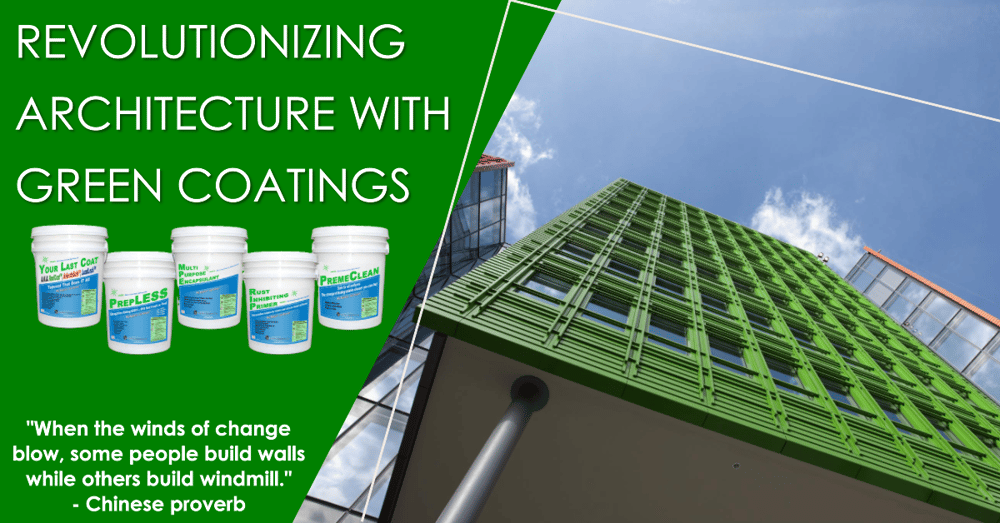
Revolutionizing Architecture - Dynamic Design with Green Coatings
Thursday, November 23, 2023
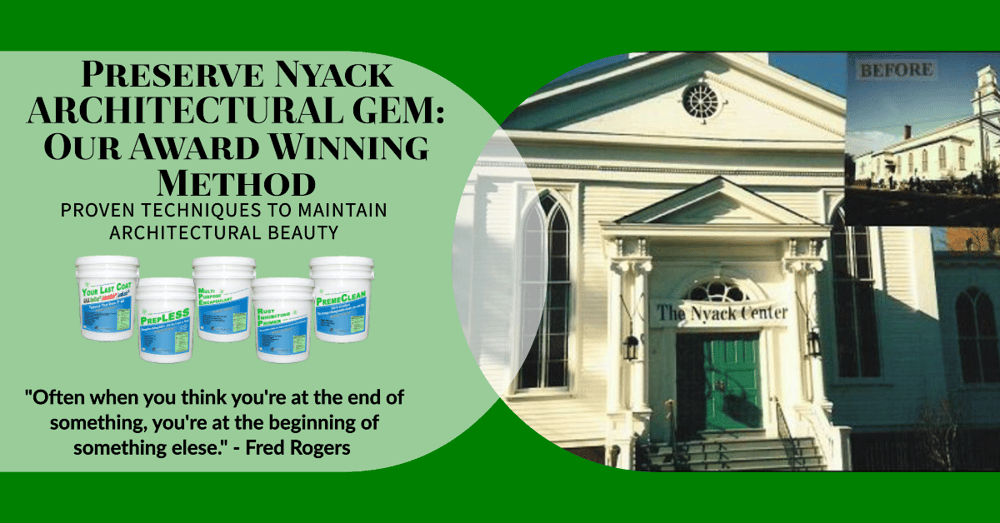
Our Award Winning, Proven Method to Preserve a Nyack Architectural Gem!
Wednesday, November 22, 2023
WARNING! VOC’s - What Everyone Needs To Know About Volatile Organic Compounds

Tuesday, November 14, 2023
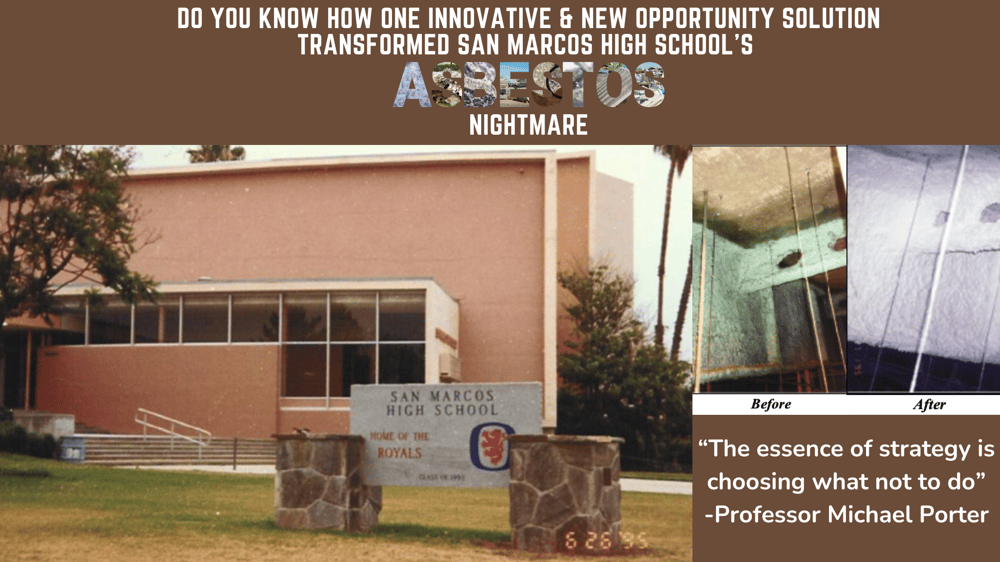
Do you Know How One Innovative and New Opportunity Solution Transformed San Marcos High School's Asbestos Nightmare
Monday, November 13, 2023
Do You Know What SBS Is & Is Your Building Making You & It’s Occupants Sick?
Friday, November 10, 2023
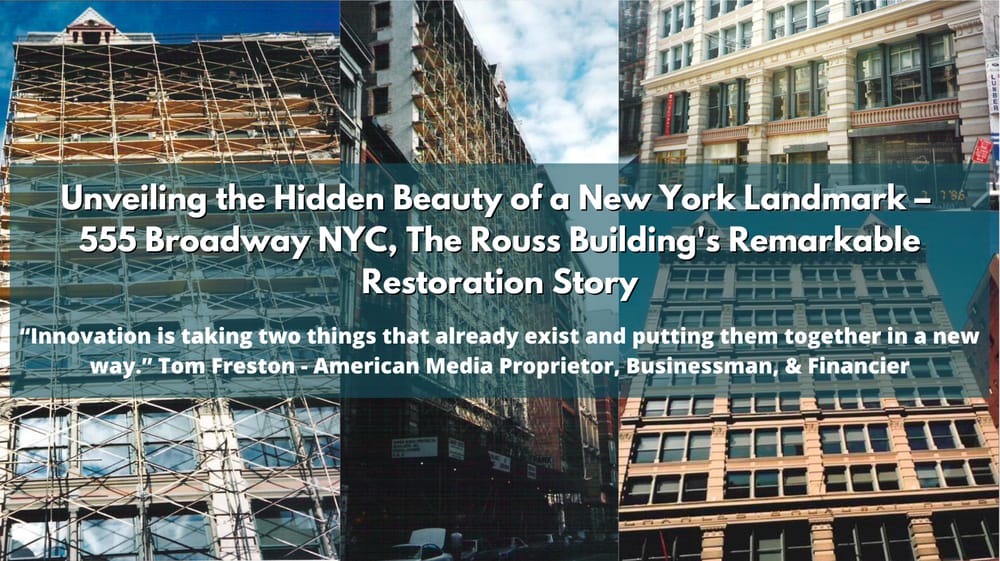
Unveiling the Hidden Beauty of a New York Landmark – 555 Broadway NYC, The Rouss Building's Remarkable Restoration Story

Thursday, November 09, 2023
Do You Know About Global Connective's (GCC) 3 Green Initiatives Helping Transform Our Planet?
Wednesday, November 08, 2023
Do You Know The Ultimate, Simple Building Fortification Defending Buildings Against STORM TRAINS?

© Copyright 2026 Global ENCASEMENT, Inc. | ALL Rights Reserved