
LONG-LASTING COATINGS
PROTECTING BUILDINGS & PLANET

Buildings Are Under Attack From Weather, Hazards & Aging
Green ENCASEMENT Coatings
Create Long-Lasting Protection Against All of It
Defending What You Have For Decades So You Don’t Have to Replace It

Green Revival Transforms Buildings From Abandoned to Amazing
Friday, July 12, 2024
By: George C. Keefe
Note: The Author is an Environmentalist, Green Coatings Enthusiast, Contractor, Consultant, Vegan, Blogger, Podcaster. Protecting the Health of People & Planet. CEO & Founder at Global ENCASEMENT, Inc., Restoration & Management vs Removal & Replacement. Why Replace – Just Encase!
Listen and Learn: Dive into the Audio Version of Our Blog
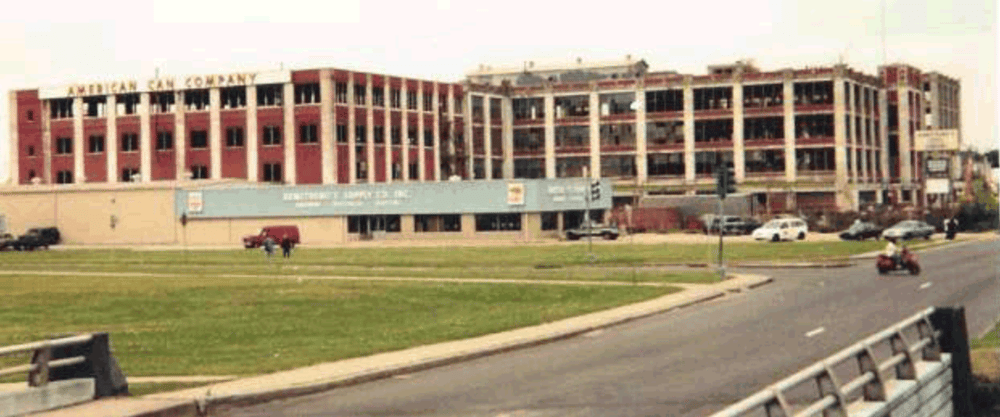
Urban landscapes across the globe are dotted with abandoned buildings, silent testaments to bygone eras.
These structures, once vibrant centers of activity, now stand as hollow shells, their potential locked away behind crumbling facades.
But what if we could breathe new life into these forgotten spaces?
In this episode, I shed light on what if we could transform them into beacons of sustainability and economic growth?
This is the promise of adaptive reuse, a revolutionary approach that's changing the face of our cities and towns.
Adaptive reuse is more than just a renovation trend; it's a powerful restoration tool in the fight against climate change and urban decay.
By repurposing existing structures, we significantly reduce the carbon footprint associated with new construction.
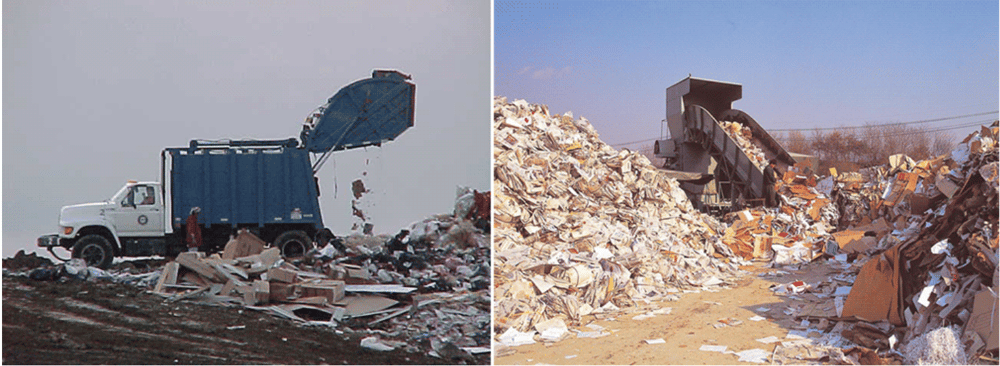
The Environmental Protection Agency estimates that building-related construction and demolition debris accounts for twice the amount of municipal solid waste from households and businesses.
By choosing to revitalize rather than rebuild, we're making a substantial positive impact on our environment.
But the benefits don't stop at reducing waste from removal and replacement.
Adaptive reuse projects are breathing new economic life into communities that have long struggled with the aftermath of industrial decline.
Abandoned mills are becoming trendy loft apartments, attracting young professionals and families.
Failing shopping malls are transforming into business incubators, fostering innovation and entrepreneurship.
These projects create jobs, increase property values, and generate tax revenue, all while preserving the unique character and history of a neighborhood.
However, breathing new life into old buildings isn't without its challenges.
Many of these structures were built in an era when environmental and health concerns were less understood.
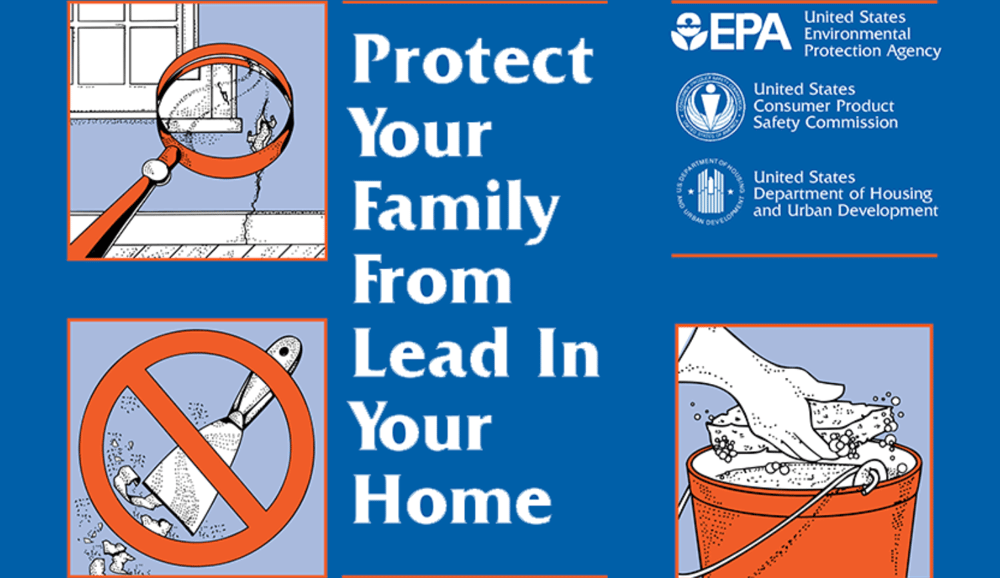
Asbestos, lead-based paint, and PCBs (polychlorinated biphenyls) are common hazards in older buildings.
But here's where modern green technology comes to the rescue.
Eco-friendly products and green coatings are revolutionizing the way we approach these restoration projects.
These innovative solutions allow us to encase solid hazardous materials safely, effectively managing them in place for the long term without the need for costly and disruptive removal.
This approach not only saves time and money but also minimizes the risk of releasing harmful substances into the environment during renovation.
Take, for example, the challenge of old, leaking roofs.
Traditional replacement methods are expensive and generate significant waste.
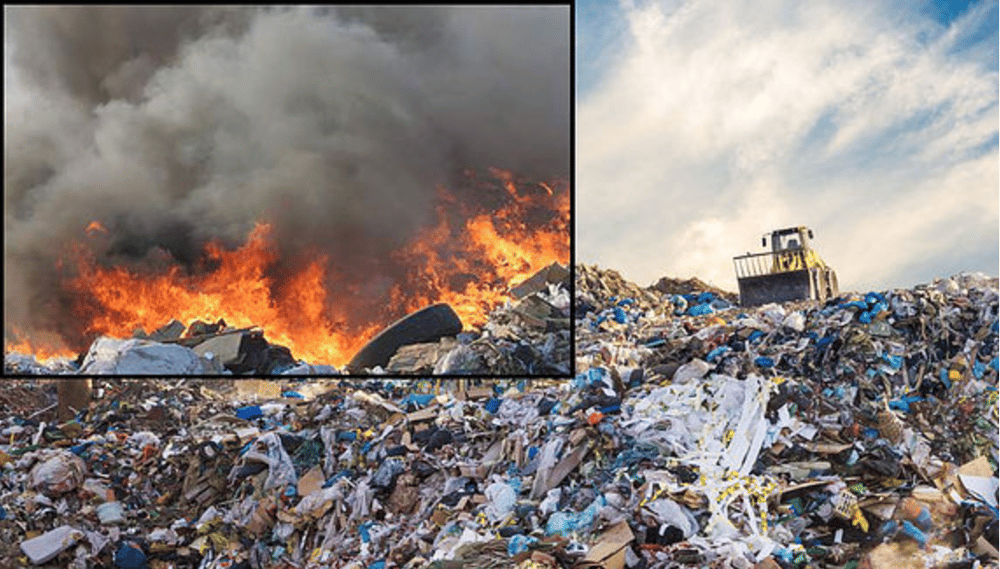
Some estimates are that 66 million pounds per day of asphalt roof shingles alone are generated and transported into landfills.
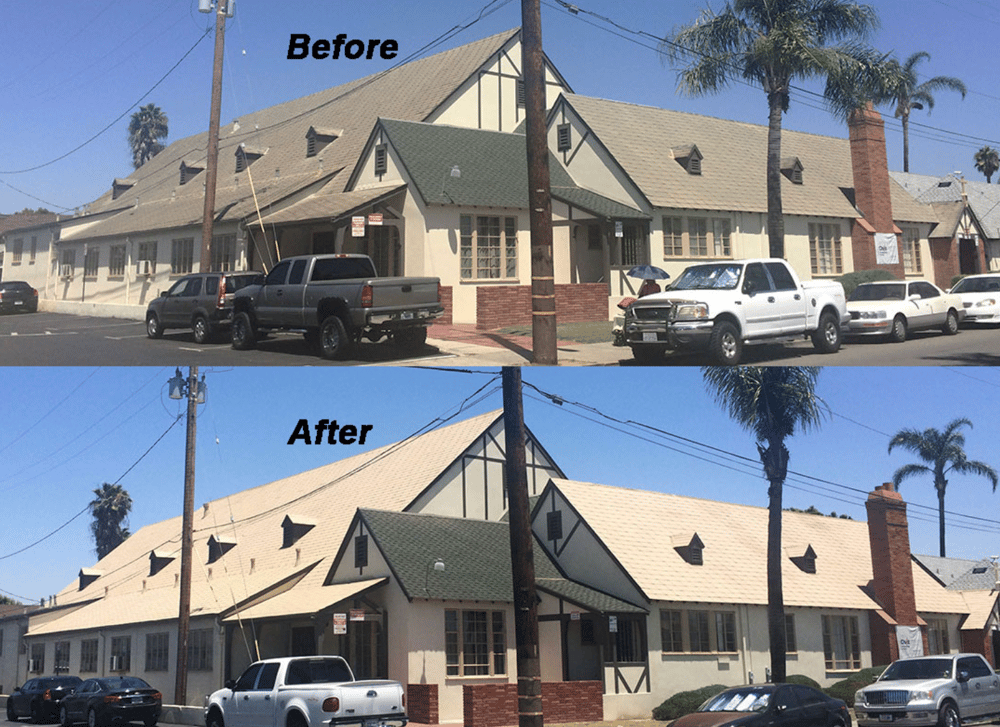
However, with the right green coating encasement, these roofs can be quickly restored and made better than the original with 20 year renewable, service life cycles.
Technically never having to be removed and replaced again completely stopping all the unnecessary generation, transportation and storage of gross amounts of unwanted waste.
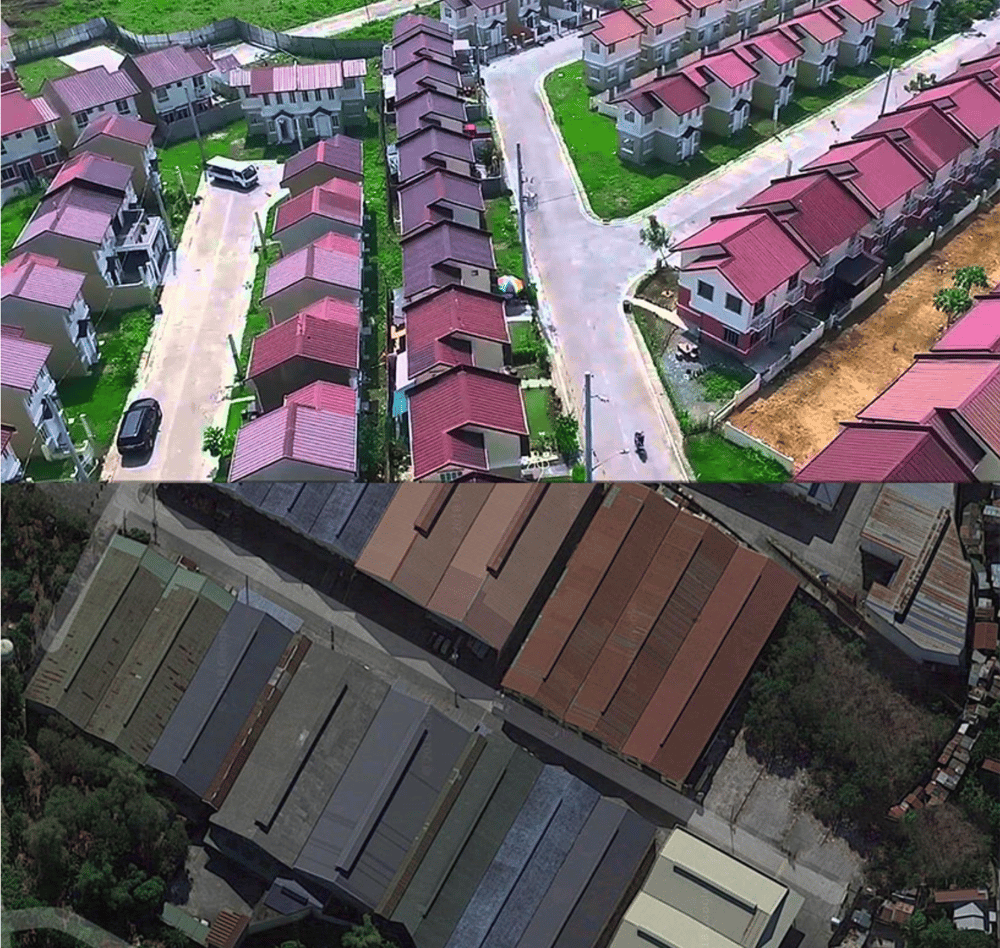
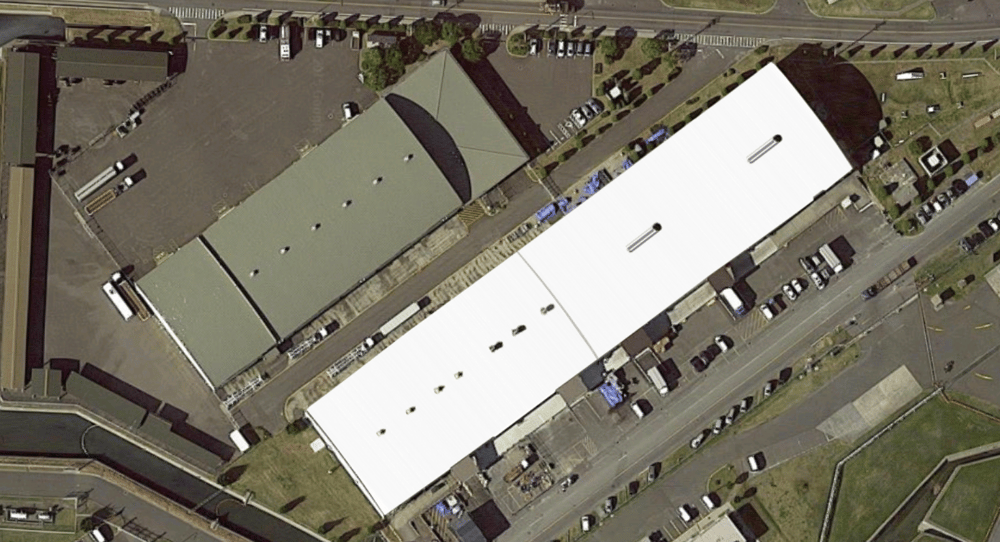
These coatings not only stop leaks but also improve energy efficiency by reflecting sunlight and reducing heat absorption, leading to lower cooling costs and a smaller carbon footprint.
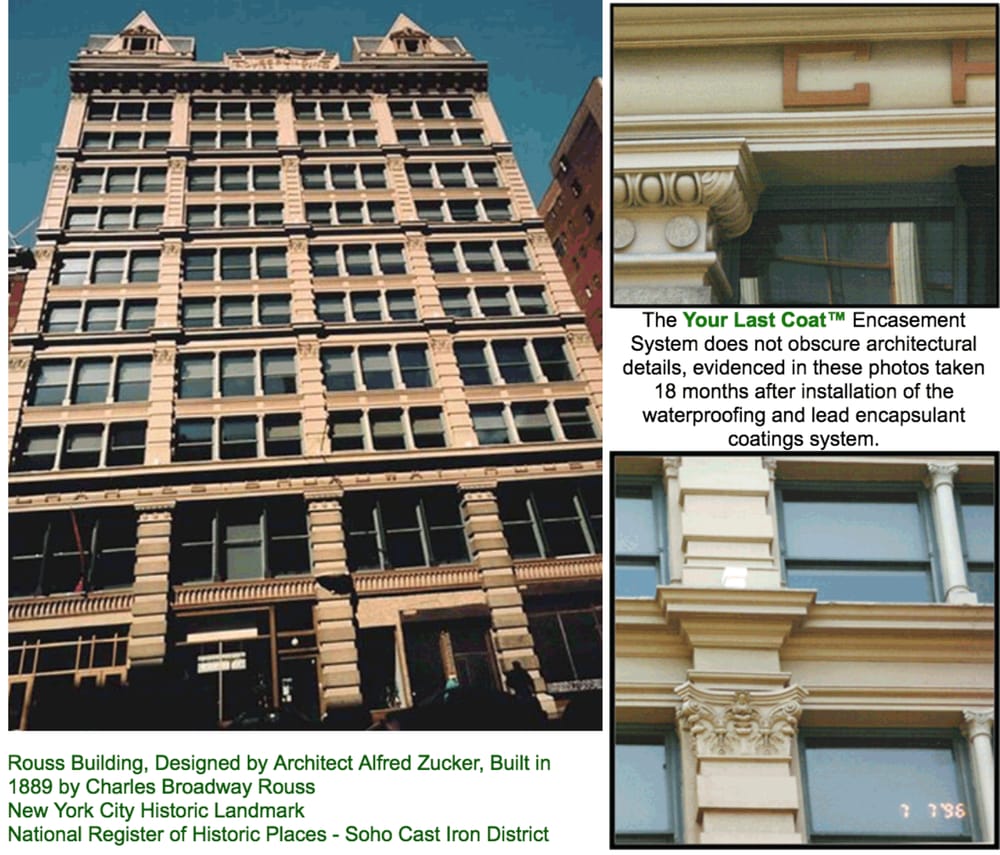
The use of green coatings goes beyond just problem-solving; it's about creating a powerful protective "jacket" for the entire building.
These coatings can be applied to walls, ceilings, roofs, and providing a barrier against moisture, mold, and other environmental factors that can degrade building materials over time.
By extending the life of these structures, we're further reducing the need for new construction and the associated environmental impact.
But the true magic of adaptive reuse lies in its ability to catalyze community revitalization.
When an abandoned building is transformed, it doesn't just change that one structure – it has a ripple effect on the entire neighborhood.
New businesses open, property values increase, and a sense of pride and community identity is restored.
It's a tangible example of how environmental consciousness can go hand-in-hand with economic development.
To Sum IT Up:
As we face the growing challenges of climate change and urban renewal, adaptive reuse offers a beacon of hope.
It shows us that with creativity, innovation, and the right tools, we can turn our abandoned spaces into assets.
By embracing green technologies and sustainable practices, we're not just saving buildings – we're building a better future for our communities and our planet.
The next time you pass by an abandoned building, try to see beyond its current state.
Imagine the possibilities that lie within those walls.
With adaptive reuse and green restoration techniques, that dilapidated structure could become the heart of a revitalized community, a testament to the power of sustainable thinking and innovative design.
It's time to see our abandoned buildings not as problems, but as opportunities – opportunities to protect our environment, boost our economies, and create vibrant, sustainable communities for generations to come.
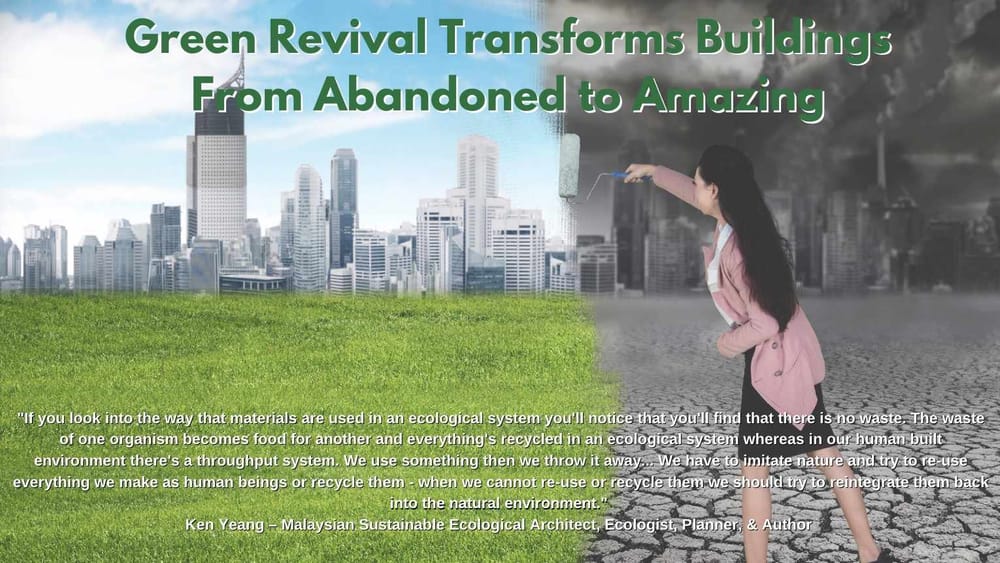
"If you look into the way that materials are used in an ecological system you'll notice that you'll find that there is no waste. The waste of one organism becomes food for another and everything's recycled in an ecological system whereas in our human built environment there's a throughput system. We use something then we throw it away... We have to imitate nature and try to re-use everything we make as human beings or recycle them - when we cannot re-use or recycle them we should try to reintegrate them back into the natural environment." Ken Yeang – Malaysian Sustainable Ecological Architect, Ecologist, Planner, & Author
What are your questions?
We are always here to help and excited to answer them.
Contact us at +1 (800) 266-3982 , or send us an email at service@encasement.com and leave a comment below.
See other posts like this one:

Tuesday, September 18, 2018
NY Court Gives 9/11 Cleanup Workers OK to Sue for Debris Exposure, Including Asbestos

Tuesday, June 26, 2018
Roof Restoration - Stopping Leaks - Sealing in Asbestos & Turning Surfaces Solar Reflective


© Copyright 2026 Global ENCASEMENT, Inc. | ALL Rights Reserved