LONG-LASTING COATINGS
PROTECTING BUILDINGS & PLANET

Buildings Are Under Attack From Weather, Hazards & Aging
Green ENCASEMENT Coatings
Create Long-Lasting Protection Against All of It
Defending What You Have For Decades So You Don’t Have to Replace It


9/11 & Managing Hazards in the Aftermath of Disasters: A Sensitive Approach
Monday, September 11, 2023
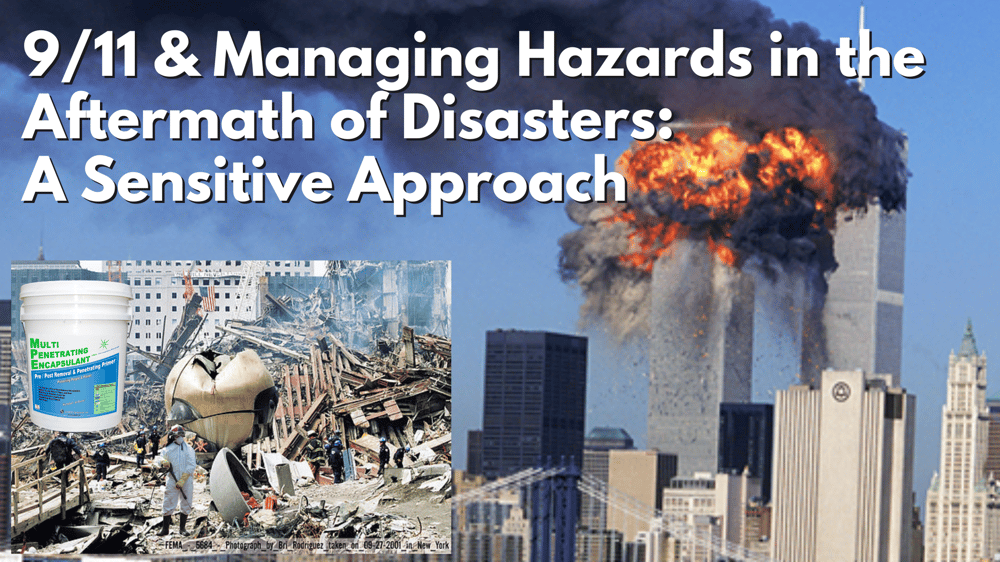
September 11th marks a day etched in the collective memory of the United States—a day of great tragedy and loss.
The attacks on the World Trade Center not only resulted in the collapse of the iconic Twin Towers in New York City but also left behind a toxic legacy that continues to affect countless lives.
This solemn anniversary serves as a poignant reminder of how disasters, whether natural or manmade, have a lasting impact on both the immediate aftermath and the long-term recovery.
In the aftermath of disasters, our immediate concern is often the safety and well-being of those affected.
Lives are saved, injuries are treated, and the physical damage is assessed.
However, there is another danger lurking amidst the chaos—the hazardous materials and debris that result from such catastrophic events.
These materials can pose significant health risks to first responders, cleanup crews, and even the surrounding communities.
The debris left behind by disasters is a perilous mix of broken-down materials, chemicals, and other substances that can have devastating effects on human health and the environment.
In the case of the 9/11 attacks, the pulverized concrete, glass, asbestos, and various toxic materials created a hazardous environment that put the lives of countless responders and cleanup crews at risk.
The immediate exposure to these hazards can lead to respiratory issues, cancers, and other long-term health problems.
The dangers do not stop at the site of the disaster.
Secondary exposure can occur as workers unknowingly carry hazardous materials home on their clothes or belongings, potentially exposing their families to the same risks.
Moreover, the improper containment and disposal of debris can lead to contamination of waterways, soil, and the surrounding environment, affecting not only humans but also wildlife and ecosystems.
In the wake of any disaster, it is crucial to establish stringent protocols for the safe management and disposal of hazardous debris.
This includes identifying and cataloging the materials present, providing appropriate protective gear for workers, and implementing measures to prevent the spread of contaminants.
Effective communication and education are also vital.
Workers must be made aware of the risks and trained to minimize their exposure.
Communities should receive clear information about potential hazards and protective measures.
Furthermore, government agencies and organizations involved in disaster response and cleanup must prioritize long-term monitoring and health support for those affected.
Early detection and treatment of health issues related to hazardous exposure can make a significant difference in the quality of life for survivors and responders.
The anniversary of the 9/11 attacks serves as a somber reminder of how disasters, whether natural or manmade, can leave behind a legacy of hazardous materials and health risks.
It is our collective responsibility to ensure that the aftermath of such events is managed with care and sensitivity.
By controlling the hazards within the debris and taking proactive measures to protect the well-being of responders, cleanup crews, and the surrounding communities, we can help mitigate the long-term health impacts of disasters and pay great respect to the memory of those affected on this solemn day.
This is where GEI (Global ENCASEMENT, Inc.) MPE (Multi Penetrating Encapsulant) steps in as a valuable solution.
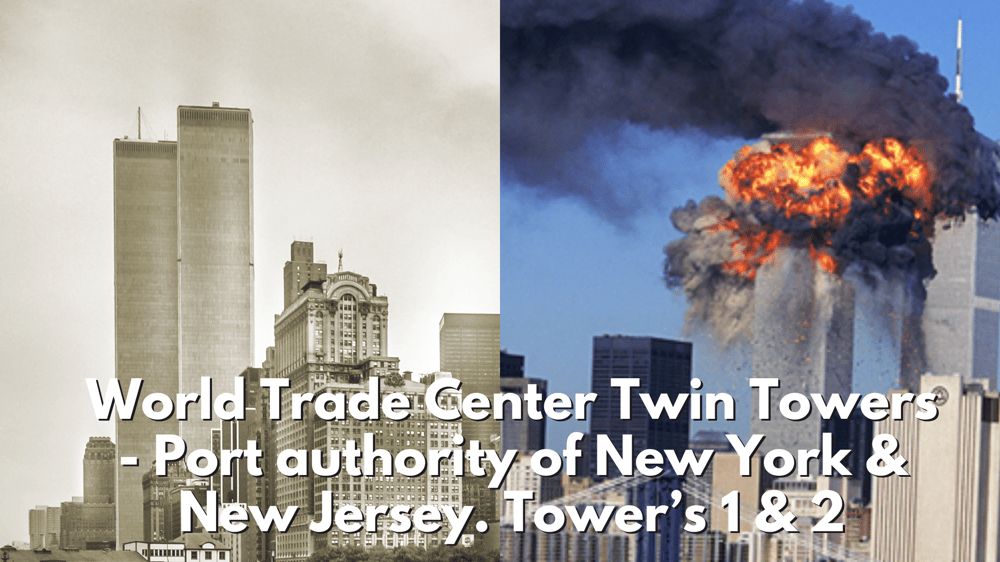
GEI MPE: A Proven Solution
GEI MPE is a remarkable product that has proven its worth in disaster cleanup scenarios. Here's why it's such a crucial tool in managing hazards:
1. Natural and Non-Toxic: GEI MPE is a natural and non-toxic solution, ensuring the safety of workers and the environment. It does not introduce harmful chemicals into an already hazardous situation.
2. Biodegradable: As a biodegradable coating, GEI MPE respects the environment by breaking down naturally over time.
3. Effective Encapsulation: GEI MPE effectively encapsulates hazardous materials within the debris, preventing them from being released into the environment or carried home on workers' clothes.
4. Proven Track Record: GEI MPE has a proven track record in disaster cleanup, providing a reliable way to manage hazards safely and effectively.
As we remember the tragic events of September 11th, let us also reflect on the importance of managing hazards in the aftermath of disasters.
It is our duty to protect the brave individuals who respond to these crises and to safeguard our environment and communities.
With solutions like GEI MPE, we have a proven, natural, non-toxic, and biodegradable coating that can play a vital role in controlling hazards within debris.
By embracing such innovations, we can honor the memory of those affected by disasters and ensure a safer, healthier future for all.
Wanted to Learn more. Message me at ask@encasementguy.com
If you found my blog insightful and informative, please consider writing a review.
Your review will not only help us improve but also assist others in discovering valuable information that I can share to everyone.
Share your thoughts and support our mission to create healthier, more sustainable solutions to help the communities away from disasters and ensure a safer, healthier future for all.
“If All the Greedy People that Pollute can get Together & Show Strength in Unity – then Honest, Environmentalists Must Do the Same. You See – It’s as Simple As That.”
George C. Keefe/ENCASEMENT Guy
See other posts like this one:
Tuesday, November 28, 2023
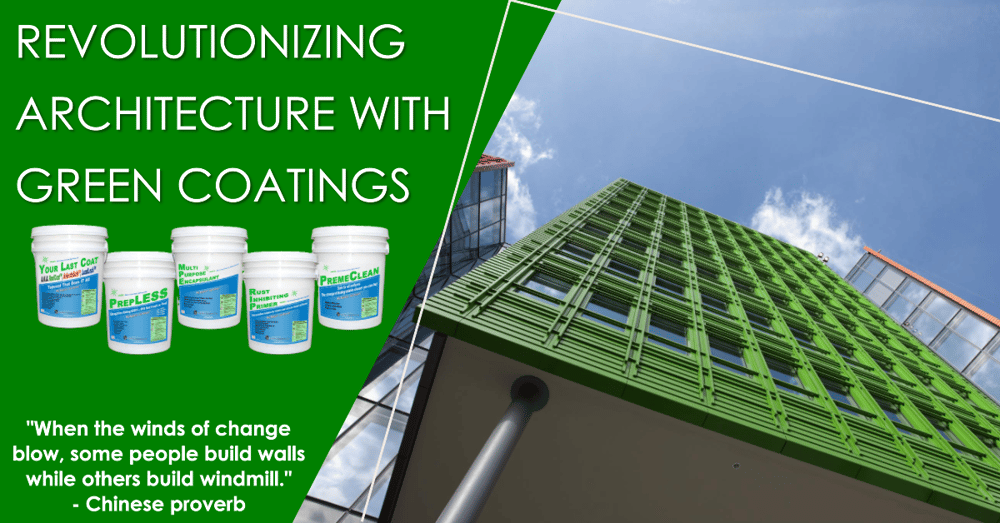
Revolutionizing Architecture - Dynamic Design with Green Coatings
Thursday, November 23, 2023
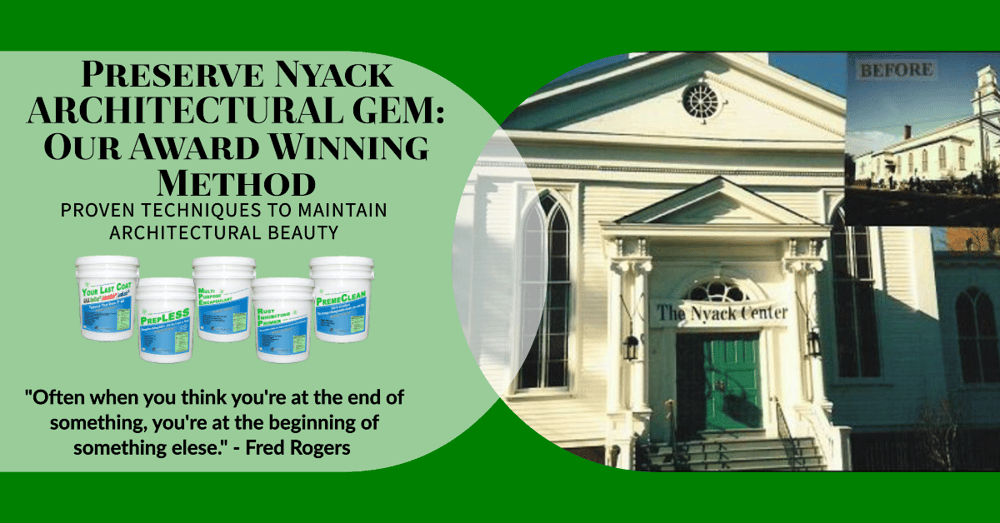
Our Award Winning, Proven Method to Preserve a Nyack Architectural Gem!
Wednesday, November 22, 2023
WARNING! VOC’s - What Everyone Needs To Know About Volatile Organic Compounds

Tuesday, November 14, 2023
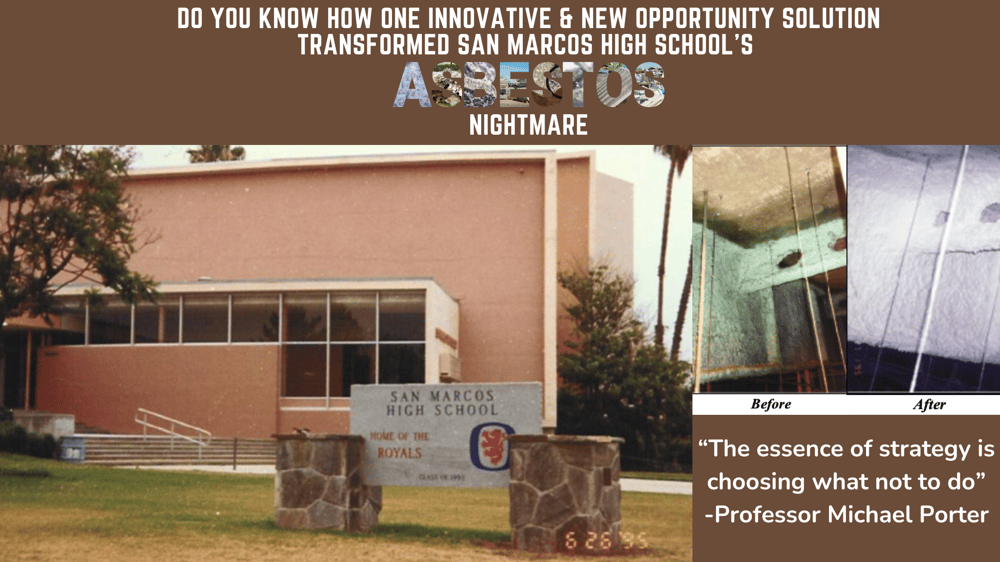
Do you Know How One Innovative and New Opportunity Solution Transformed San Marcos High School's Asbestos Nightmare
Monday, November 13, 2023
Do You Know What SBS Is & Is Your Building Making You & It’s Occupants Sick?
Friday, November 10, 2023
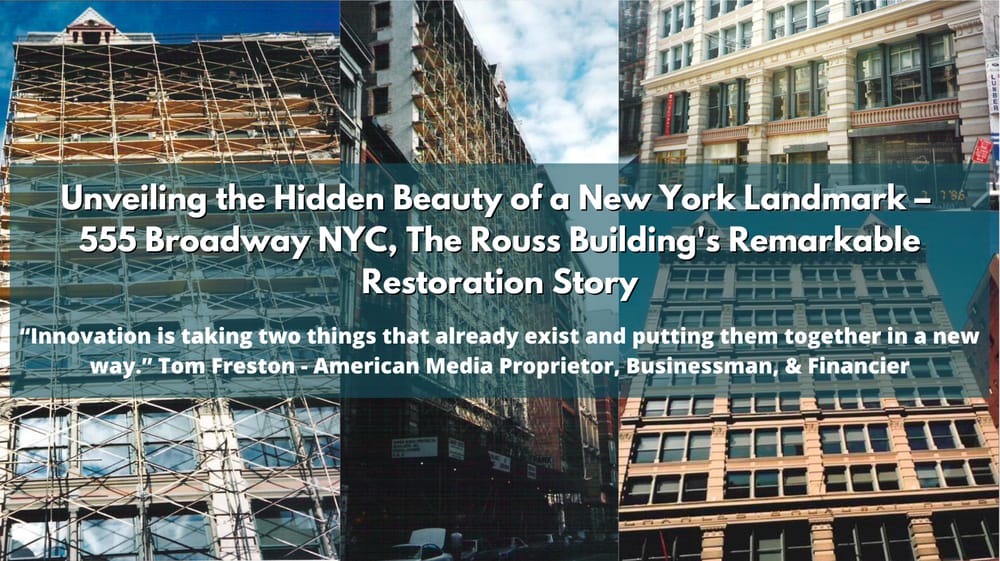
Unveiling the Hidden Beauty of a New York Landmark – 555 Broadway NYC, The Rouss Building's Remarkable Restoration Story

Thursday, November 09, 2023
Do You Know About Global Connective's (GCC) 3 Green Initiatives Helping Transform Our Planet?

© Copyright 2026 Global ENCASEMENT, Inc. | ALL Rights Reserved