
LONG-LASTING COATINGS
PROTECTING BUILDINGS & PLANET

Buildings Are Under Attack From Weather, Hazards & Aging
Green ENCASEMENT Coatings
Create Long-Lasting Protection Against All of It
Defending What You Have For Decades So You Don’t Have to Replace It

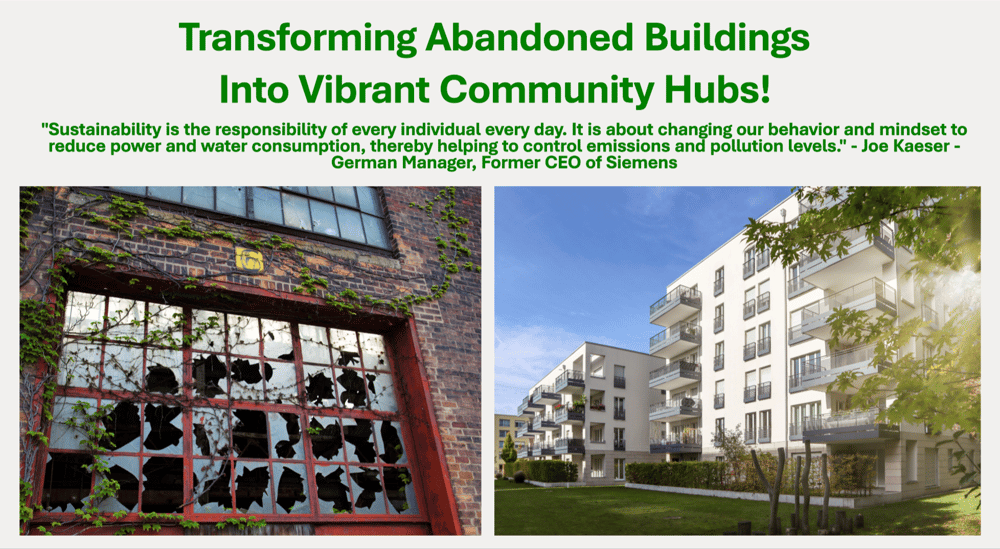
Transforming Abandoned Buildings Into Vibrant Community Hubs!
Friday, July 26, 2024
By: George C. Keefe
Note: The Author is an Environmentalist, Green Coatings Enthusiast, Contractor, Consultant, Vegan, Blogger, Podcaster. Protecting the Health of People & Planet. CEO & Founder at Global ENCASEMENT, Inc., Restoration & Management vs Removal & Replacement. Why Replace – Just Encase!
Listen and Learn: Dive into the Audio Version of Our Blog
Revitalization projects are popping up everywhere and become fresh starts for communities and economies.
Abandoned mills and failing shopping malls are being repurposed into residential centers and business starter facilities.
These projects bring new life to the community and the local economy.
Yet, these projects can present special challenges to developers and facilities managers.
In this episode I reveal how even buildings in serious disrepair can be simply restored, turning them green and making them better than the original.
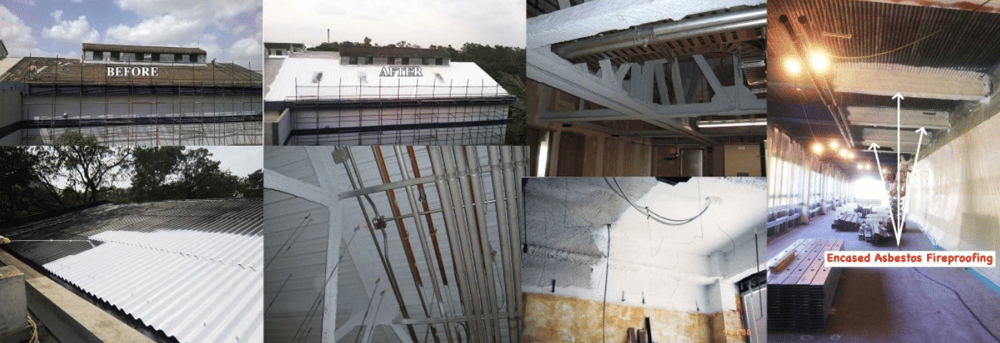
Surprisingly even buildings with solid hazardous materials such as: asbestos, lead-based paint, and PCB's (polychlorinated biphenyls) can be easily managed in place and quickly restored.
Believe it or not even old and worn-out, leaking roofs can be quickly restored with the right green coatings encasement.
These old dilapidated buildings can bring new life to the surrounding areas and community with a simple restorative facelift which includes starting with a green protective jacket applied over all the surfaces.
The Environmental Impact of Adaptive Reuse
Adaptive reuse of abandoned buildings is not only a boon for local communities but also a significant step forward for the environment.
By repurposing existing structures, we can reduce the demand for new construction, which in turn lessens the environmental strain associated with producing new building materials.
This practice conserves resources and minimizes the carbon footprint of development projects.
Moreover, restoring old buildings helps preserve the historical and cultural heritage of an area, adding unique character and charm to the community.
This approach to urban development encourages sustainability by promoting the use of eco-friendly products and the right innovative green coatings that protect and enhance these structures.
Addressing Climate Change through Sustainable Practices
Climate change is a pressing global issue, and the construction industry plays a critical role in lessening its impact.
Traditional construction methods often involve significant energy consumption and waste production.
In contrast, adaptive reuse involves repurposing and renovating existing buildings instead of demolishing them and constructing new ones from scratch.
This approach takes advantage of the energy that was already used to create the original building materials and construct the existing structure.
By avoiding the need to produce new building materials and construct a new building, adaptive reuse significantly reduces the amount of greenhouse gas emissions that would have been generated through those processes.
In other words, adaptive reuse allows us to reuse the "embodied energy" of existing buildings, which are the greenhouse gas emissions associated with their original construction, in order to avoid generating additional emissions from new construction.
This also prevents the generation, transportation and storage of unwanted waste that would be produced from a building demolished or simply crumbling away over time.
This makes adaptive reuse a more environmentally-friendly alternative to demolishing old buildings and building new ones in their place.
Eco-friendly products and the right, long-lasting green coatings are essential in this process.
These materials not only protect and restore buildings but also contribute to energy efficiency and environmental preservation.
By using non-toxic, zero to low-VOC (volatile organic compounds) coatings, that are long-term with 20 year, renewable service cycles, developers can create healthier living and working environments while reducing their ecological footprint.
The Role of Green Coatings in Protecting People, Buildings, and the Planet
The right green coatings create a new opportunity and play a pivotal role in the adaptive reuse of abandoned buildings.
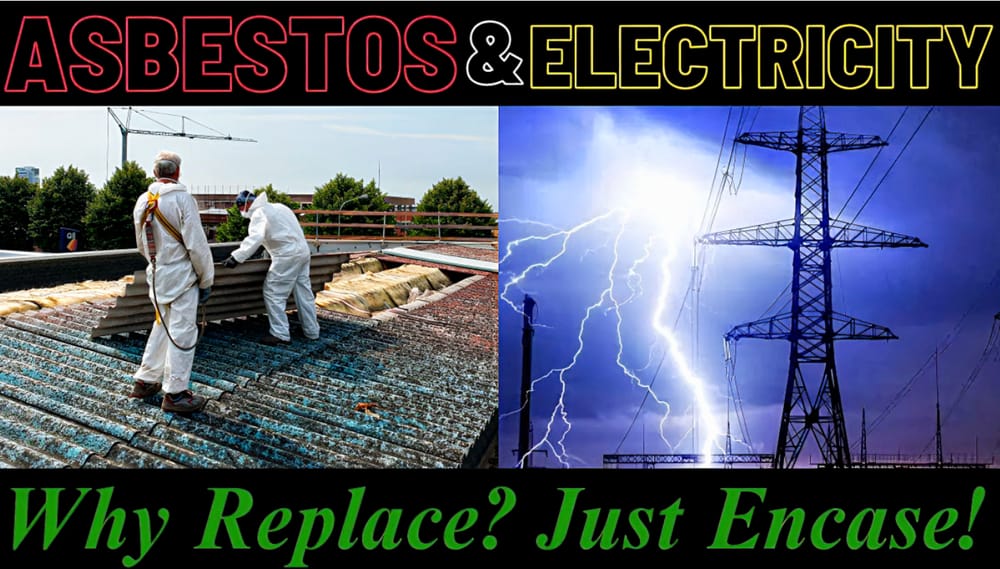
These advanced coatings also quickly and safely encase solid hazardous materials like asbestos, lead-based paint, and PCBs, effectively neutralizing potential health risks without the need for costly and disruptive removal processes.
This approach not only safeguards the health of occupants but also preserves the structural integrity of the buildings.
Furthermore, the right green coatings enhance the durability and lifespan of restored structures.
The right high-performance, green coatings can seal leaking roofs, prevent water damage, and provide long-lasting resistance against mold and mildew and other damaging environmental and weather factors.
This level of protection ensures that restored buildings remain safe and functional for many years, reducing the need for frequent repairs and maintenance.
Revitalizing Communities with Eco-Friendly Solutions
The benefits of adaptive reuse extend beyond environmental and health considerations.
With the new opportunity of transforming abandoned buildings into vibrant residential and commercial spaces, developers can stimulate local economies and foster community growth.
These projects create jobs, attract businesses, and increase property values, contributing to a more robust and resilient local economy.
Residents and business owners alike benefit from the improved aesthetics and functionality of restored buildings.
The right green coatings and eco-friendly products enhance indoor air quality, promote energy efficiency, and reduce utility costs.
These advantages make adaptive reuse projects highly attractive to potential tenants and buyers, ensuring long-term success and sustainability.
To Sum IT Up:
Adaptive reuse of abandoned buildings is a powerful strategy and new opportunity for revitalizing communities, boosting local economies, and addressing environmental challenges.
By incorporating eco-friendly products and the right green coatings, developers can protect people, buildings, and the planet.
This approach not only preserves our architectural heritage but also paves the way for a more sustainable and resilient future.
Embracing these practices can transform neglected structures into thriving hubs of activity, benefiting everyone involved and contributing to a greener, healthier world.
"Sustainability is the responsibility of every individual every day. It is about changing our behavior and mindset to reduce power and water consumption, thereby helping to control emissions and pollution levels." - Joe Kaeser - German Manager, Former CEO of Siemens
What are your questions?
We are always here to help and excited to answer them.
Contact us at +1 (800) 266-3982 , or send us an email at service@encasement.com and leave a comment below.
See other posts like this one:

Monday, July 17, 2023
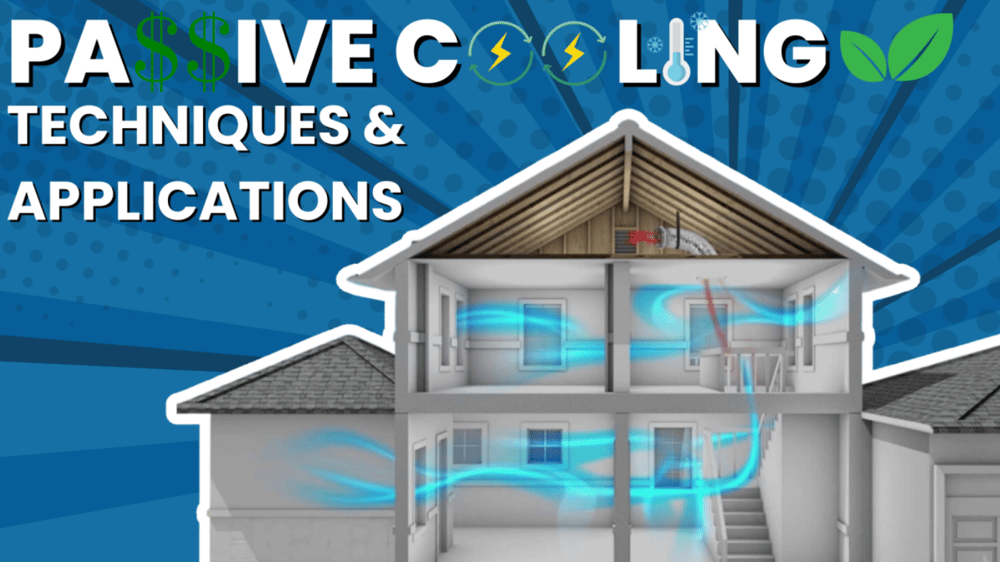
Harnessing the Power of Passive Cooling: Enhancing Energy Efficiency and Indoor Comfort
Friday, April 21, 2023
Restore & Protect the Planet with Green Coatings: Celebrating Earth Day 2023
Monday, April 17, 2023
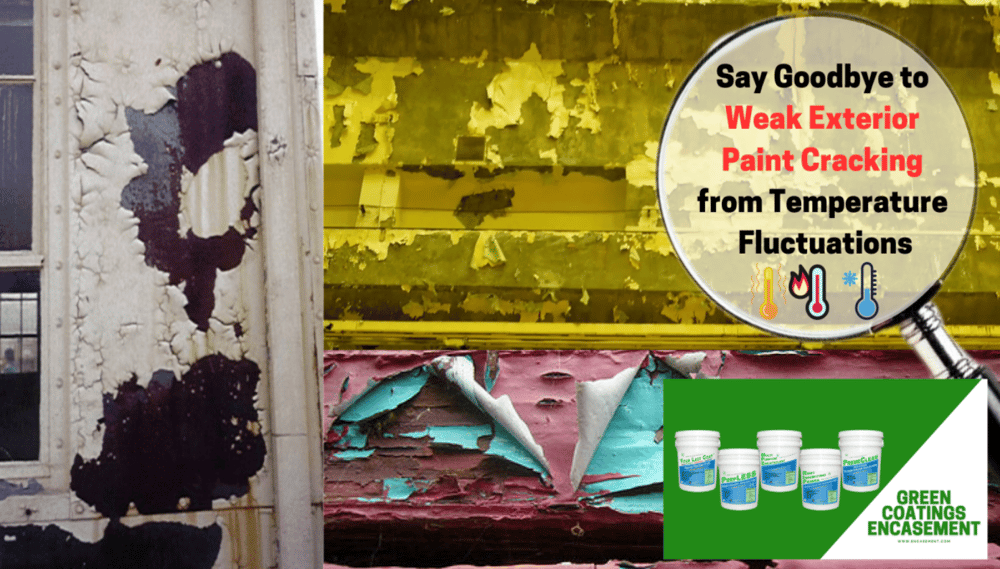
Say Goodbye to Weak Exterior Paint Cracking From Temperature Fluctuations

Monday, February 27, 2023
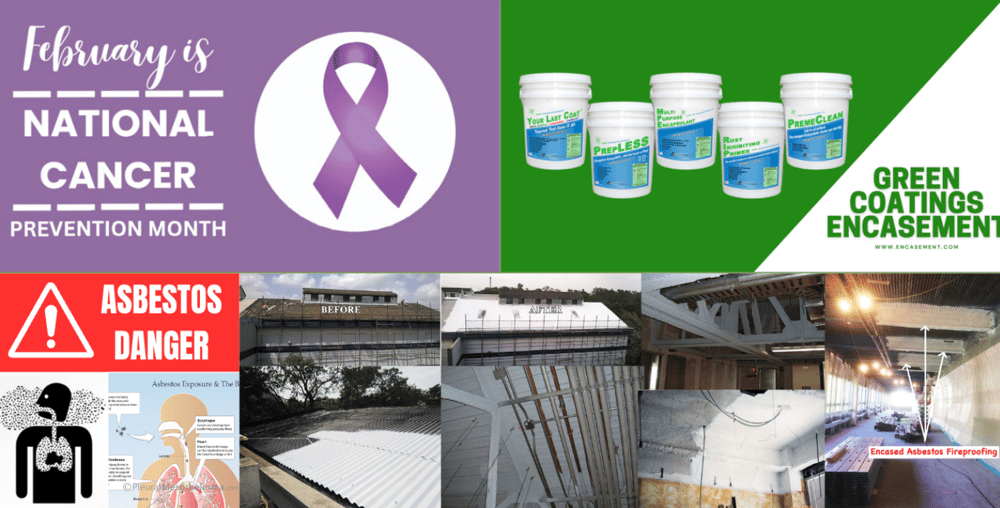
Green Coatings Encasement and its Contribution to Cancer Prevention Month
Wednesday, February 22, 2023
Green Coatings Encasement: A Vital Tool in the Fight Against Cancer

Thursday, February 16, 2023
Green Coatings Encasement and its Contribution to Cancer Prevention Month


© Copyright 2026 Global ENCASEMENT, Inc. | ALL Rights Reserved