
LONG-LASTING COATINGS
PROTECTING BUILDINGS & PLANET

Buildings Are Under Attack From Weather, Hazards & Aging
Green ENCASEMENT Coatings
Create Long-Lasting Protection Against All of It
Defending What You Have For Decades So You Don’t Have to Replace It


The Crucial Role of Debris Control in Wildfire Disaster Recovery
Monday, August 28, 2023
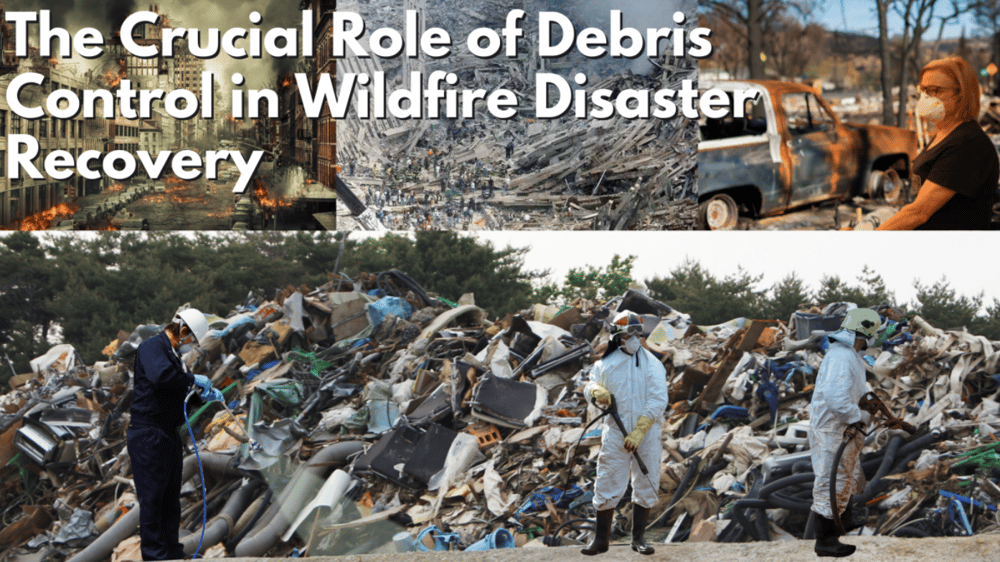
In recent years, the world has witnessed an alarming increase in the frequency and intensity of wildfires.
These natural disasters not only devastate landscapes and communities, but they also leave behind a trail of hazardous materials and debris that pose significant health risks to both humans and the environment.
In the aftermath of a wildfire, controlling and managing the debris becomes a critical step in preventing prolonged exposure to these hazardous remnants.
In this blog I’ll explore the importance of debris control after wildfire disasters, the potential health concerns associated with lingering hazardous materials, and the necessity of locking down debris to safeguard public health.
Once a wildfire has been contained and extinguished, the aftermath reveals a landscape altered by the destructive force of the flames.
While the immediate danger of the fire may have passed, the remnants it leaves behind can continue to pose threats.
The burned vegetation, structures, and materials can release a variety of hazardous substances into the air, soil, and water.
These substances can include toxic particulate matter. The burning of organic material releases fine particles of matter into the air, which can be inhaled and cause respiratory issues.
Particulate matter can intensify pre-existing conditions such as asthma and contribute to heart problems.
The combustion of plastics, chemicals, and other synthetic materials in homes and buildings generates toxic fumes containing harmful substances like benzene, formaldehyde, and dioxins.
Inhalation of these fumes can lead to both short-term and long-term health problems.
Wildfire ash often contains heavy metals such as lead, mercury, and arsenic.
This ash also often contains CCA-treated wood which is comprised of as much as 10 percent arsenic, chromium and copper. CCA is an inorganic pesticide, most commonly used as a wood preservative and harmful when released into the environment.
All these metals can contaminate soil and water sources, posing risks to ecosystems and potentially entering the food chain.
Older buildings and infrastructure may contain asbestos, which can become friable (easily crumbled and turned to powder) during a fire.
Inhaling asbestos fibers can lead to serious respiratory diseases, including lung cancer, asbestosis and mesothelioma.
Given the potential hazards associated with post-wildfire debris and small particle ash, implementing effective debris control measures becomes paramount.
Proper debris control helps prevent the dangerous release of hazardous materials, reducing the likelihood of exposure to both responders and the public.
By containing debris, the risk of inhaling toxic fumes or coming into contact with contaminated materials is minimized.
Exposure to the hazardous remnants of a wildfire or any other disaster can lead to acute health problems, exacerbation of existing conditions, and even chronic illnesses.
Implementing debris control measures after fires and during clean-up safeguards the well-being of both individuals and communities.
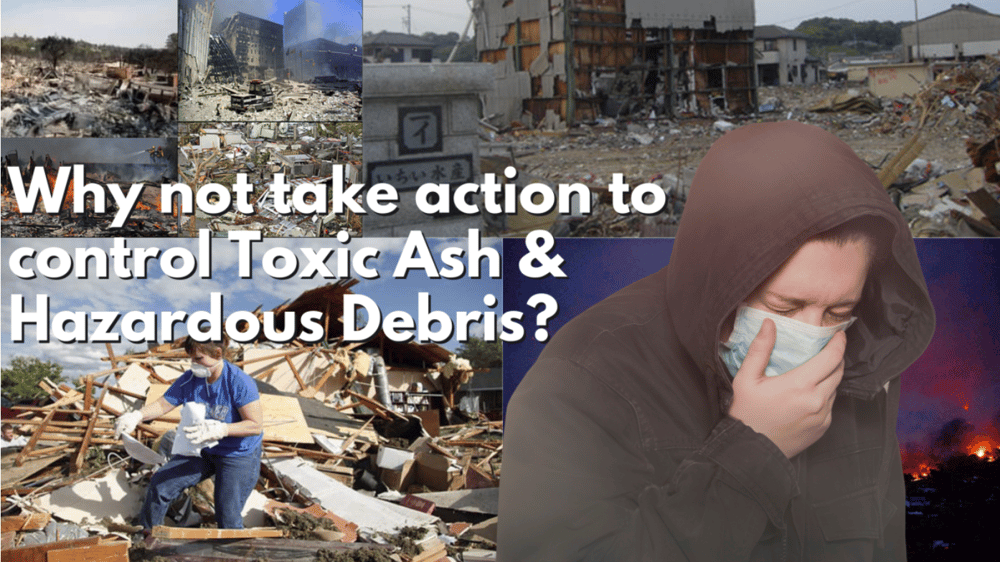
Controlling toxic debris not only protects human health but also prevents further contamination of the environment.
Preventing the spread of toxic substances helps preserve ecosystems and water sources, preventing long-term ecological damage.
There are several ways people can be wide open to the hazardous remains of a wildfire.
Inhalation of airborne particulates and toxic fumes can lead to respiratory problems and aggravate cardiovascular conditions.
This can be one of the worst ways people are exposed as the effects can have immediate impact on an individual but even worse people can face long term consequences, even up to 15–20 years later in the case of exposure to asbestos.
Direct contact with contaminated debris or soil can result in skin irritation, rashes, or even chemical burns.
Ingesting, consuming food or water contaminated by heavy metals or other hazardous materials can lead to gastrointestinal (stomach & intestinal) issues and long-term health risks.
To sum it up the aftermath of a wildfire is not just a scene of destruction, it’s a landscape fraught with potential health hazards.
The importance of controlling debris in the wake of these disasters cannot be overstated.
By preventing the spread of hazardous materials, we protect ourselves, our communities, and the environment from the far-reaching impacts of wildfire remnants.
Whether through proper disposal, containment, or cleanup procedures, debris control plays a pivotal role in the recovery process and the ongoing well-being of those affected by these natural catastrophes.
I've personally been involved with large clean-up efforts from disasters and the methods, procedures and products used are critical in obtaining successful results from those important efforts.
What questions do you have that I can answer?
Contact me now at: ask@encasementguy.com
If you found my blog insightful and informative, please consider writing a review. Your review will not only help us improve but also assist others in discovering valuable information in the importance of debris control after wildfire disasters.
Share your thoughts and support our mission to create healthier, more sustainable communities.
“If All the Greedy People that Pollute can get Together & Show Strength in Unity – then Honest, Environmentalists Must Do the Same. You See – It’s as Simple As That.”
George C. Keefe/ENCASEMENT Guy
See other posts like this one:
Monday, October 23, 2023
Fortify and Thrive: How Tough Green Coatings Are Revolutionizing Building Resilience and Creating Jobs

Sunday, October 22, 2023
Exxon's Profits - A Closer Look at Their Fossil Fuel Gain & Our GREEN Loss
Saturday, October 21, 2023
Uncovering the Truth: California Lawsuit Exposes Oil Companies' Role in Global Warming and Climate Change Deception

Friday, October 20, 2023
Empowering Kids to Conquer Climate Change: A Remarkable Tale of Resilience

Thursday, October 19, 2023
How I Learned About Extreme Moist Heat & What To Do About It On A Large Scale
Wednesday, October 18, 2023
Did You Know That "Moist Heat" Poses a Particularly Subtle Threat to Human Survival?

Tuesday, October 17, 2023
California's Groundbreaking Code Update: A Leap Towards Reducing Embodied Carbon Emissions

Monday, October 16, 2023
Did You Know There Is A Law That Exposes Dirty Energy Secrets and Protects Vulnerable Populations?

Sunday, October 15, 2023
Unleashing the Power of Hope: NPR's New Quest for Climate Solutions
Saturday, October 14, 2023
Did You Hear California's Bold Move to Expose Corporate Carbon Secrets?
Friday, October 13, 2023
Revolutionary Resilience: How Communities Are Defying Climate Chaos

Thursday, October 12, 2023
Game-Changing EPA Measures Unveiled to Save the Planet: The Countdown to a Greener Future Begins!

Wednesday, October 11, 2023
Pope Francis Unleashes a Passionate Condemnation: “The World in Which We Live is Collapsing!” His Blistering Words on Climate Change Skeptics and the Western Lifestyle

Tuesday, October 10, 2023
Staggering Green Growth Offers Hope for 1.5C: The Global Energy Revolution Unveiled!

Monday, October 09, 2023
Embracing Indigenous Wisdom: Celebrating Indigenous Peoples' Day and Their Timeless Connection to Nature

© Copyright 2026 Global ENCASEMENT, Inc. | ALL Rights Reserved