
LONG-LASTING COATINGS
PROTECTING BUILDINGS & PLANET

Buildings Are Under Attack From Weather, Hazards & Aging
Green ENCASEMENT Coatings
Create Long-Lasting Protection Against All of It
Defending What You Have For Decades So You Don’t Have to Replace It


Stop Destroying Tomorrow As Your Building Choices Matter Now
Tuesday, February 10, 2026

By: George Keefe
"If all the greedy polluters can band together to protect their interests, then honest environmentalists must do the same. It's as simple as that.
Listen and Learn: Dive into the Audio Version of Our Blog
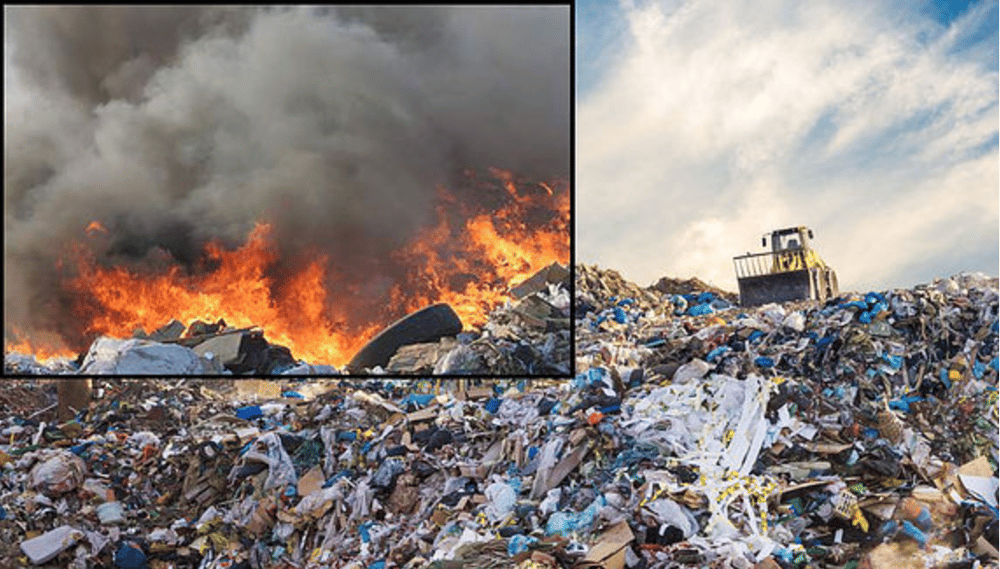
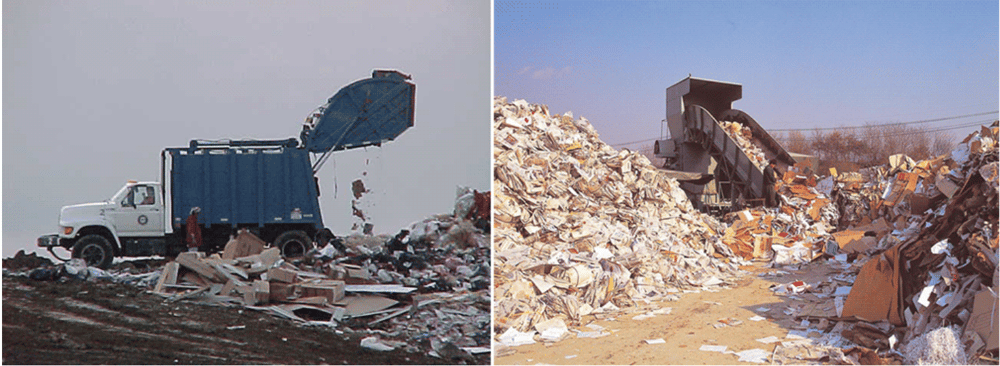
Every day, construction dumpsters overflow with perfectly salvageable materials—wood, metals, concrete, insulation—all destined for landfills.
This isn't just waste; it's a crisis quietly accelerating climate change while we watch.
The building industry's remove-and-replace cycle has become an environmental time bomb, and we're running out of time to defuse it.
The Problem We Can No Longer Ignore
The construction and demolition sector generates over 600 million tons of waste annually in the United States alone.
When we tear out functional kitchens, replace adequate flooring, or demolish buildings that could be renovated, we're not just discarding materials—we're perpetuating a vicious cycle that's heating our planet at an alarming rate.
Every replaced window, ripped-out cabinet, and demolished wall represents embodied carbon that was already invested in manufacturing, transportation, and installation.
That carbon sacrifice becomes meaningless when these materials end up in landfills, releasing methane as they decompose and demanding new resources to manufacture replacements.
The environmental mathematics are staggering.
Producing new construction materials accounts for approximately 11% of global carbon emissions.
Cement production alone contributes 8% of worldwide CO2 emissions.
Meanwhile, our landfills are choking on construction debris that could have served decades longer.
We're essentially mining virgin materials, burning fossil fuels to process them, then discarding the results after a fraction of their useful life—only to repeat the cycle again and again.
Solutions Within Our Reach
The empowering truth is that we already possess the solutions to break this destructive pattern.
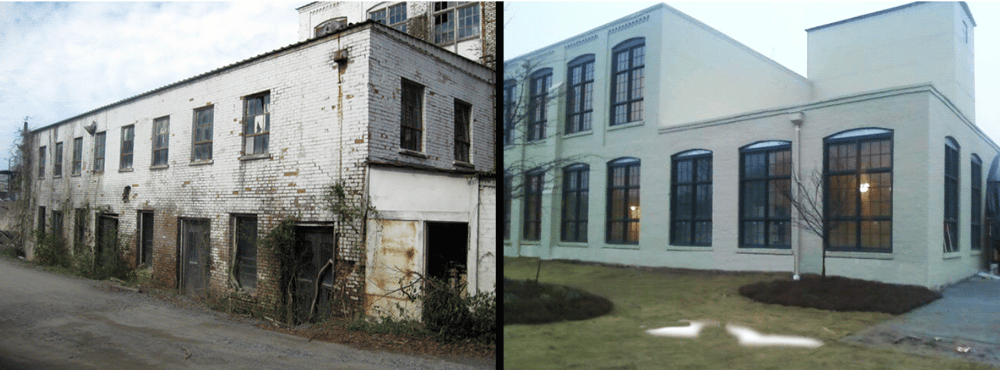
Adaptive reuse and renovation can reduce carbon emissions by up to 75% compared to new construction.
By choosing to restore rather than replace, we preserve the embodied energy already invested in existing materials while dramatically reducing demand for carbon-intensive new production.
Circular economy principles are revolutionizing how forward-thinking builders approach projects.
Material reclamation, where components are carefully deconstructed and repurposed, keeps valuable resources in circulation.
Modular design allows buildings to evolve without wholesale demolition. Even simple choices—refinishing instead of replacing, repairing instead of discarding—create ripple effects that reduce our collective carbon footprint.
Technology is also emerging as a powerful ally.
Digital material passports track building components, making salvage and reuse systematic rather than accidental.
Innovative companies are transforming construction waste into new building materials, closing the loop on what was once considered garbage.
The Results We Can Achieve Together
When we commit to ending the remove-and-replace mentality, the results transform entire communities.
Buildings that honor their existing structure while upgrading performance become showcases of sustainable innovation.
Carbon emissions plummet.
Landfills receive less waste.
Local economies benefit from restoration jobs that require skilled craftsmanship rather than demolition labor.
Most importantly, we reclaim agency in the fight against climate change.
Every renovation chosen over replacement, every material salvaged instead of dumped, represents a tangible victory.
These aren't abstract environmental gestures—they're powerful actions that immediately reduce the building industry's contribution to global warming.
The remove-and-replace cycle isn't inevitable; it's a choice.
And today, right now, we can choose differently.
Our buildings, our planet, and future generations are depending on us to make the sustainable choice before we lose the opportunity to reverse course.
"The Buildings we choose to Save today determine the world we live in tomorrow." Jane Jacobs, Urbanist & Author.
See other posts like this one:


Tuesday, September 18, 2018
NY Court Gives 9/11 Cleanup Workers OK to Sue for Debris Exposure, Including Asbestos


Tuesday, June 26, 2018
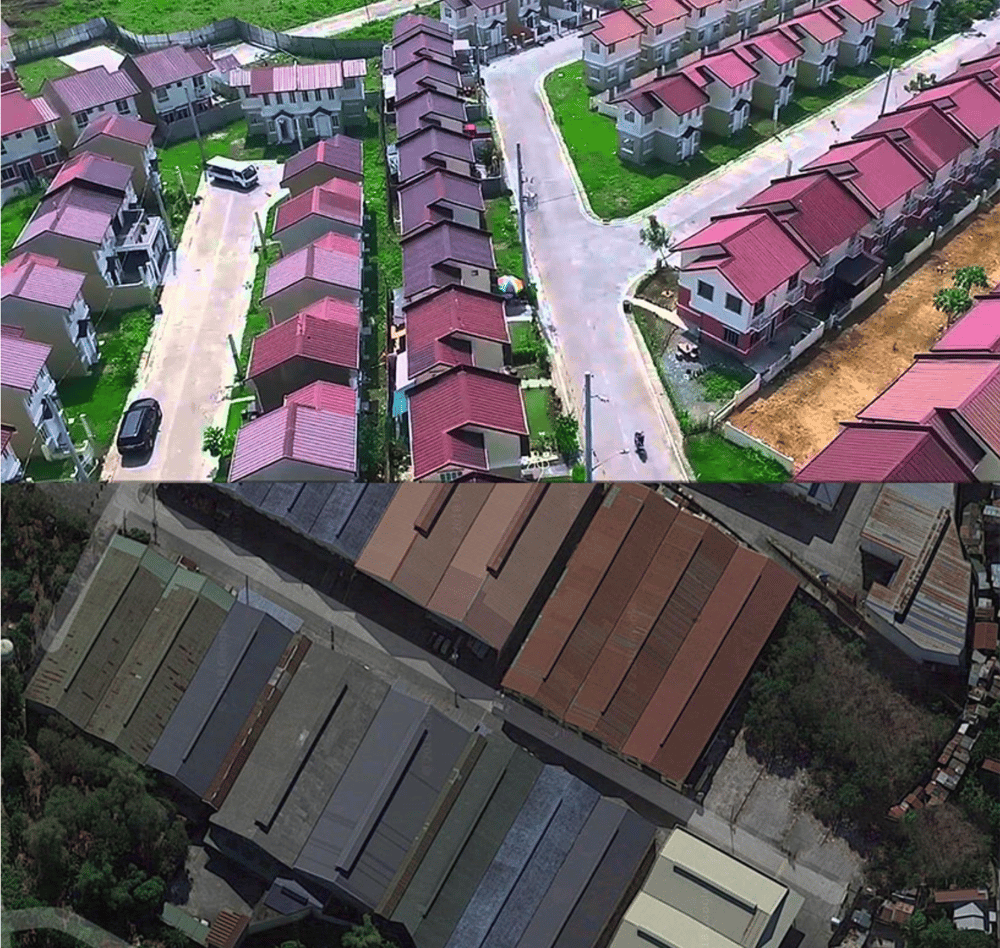
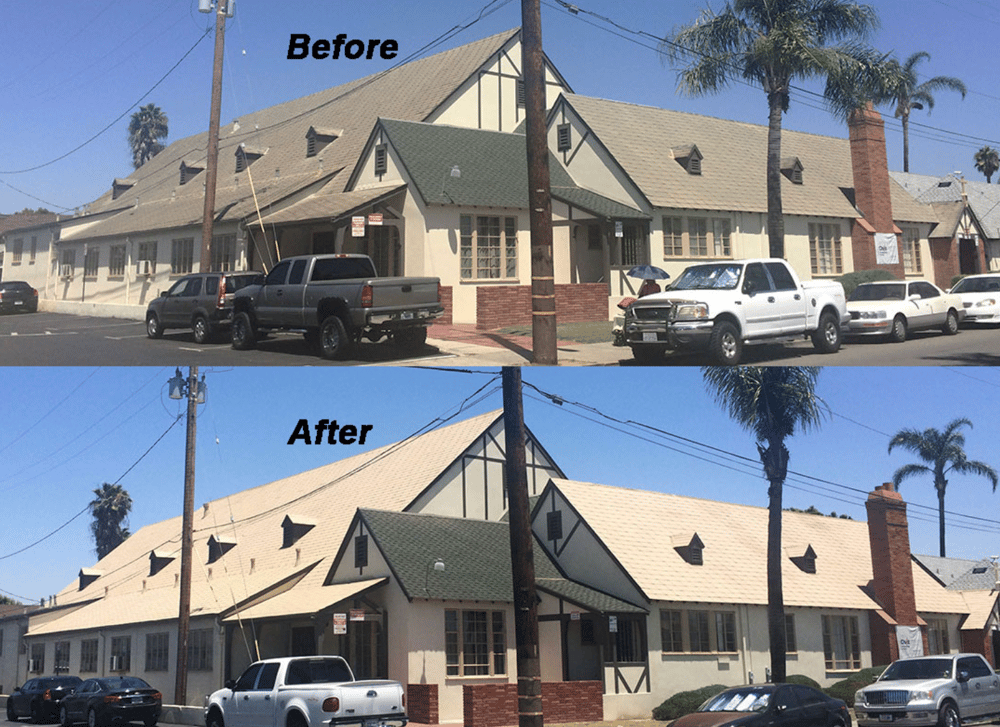
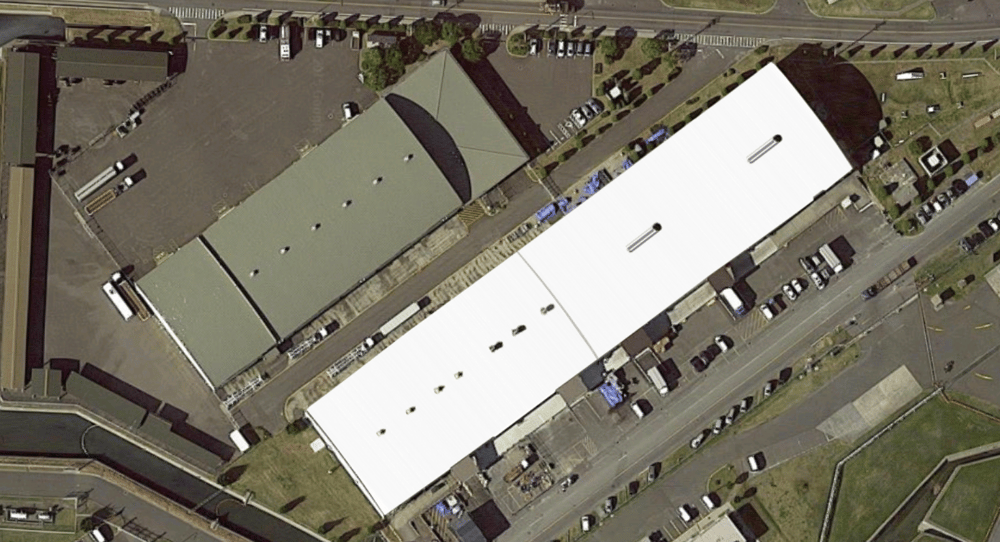
Roof Restoration - Stopping Leaks - Sealing in Asbestos & Turning Surfaces Solar Reflective


© Copyright 2026 Global ENCASEMENT, Inc. | ALL Rights Reserved