
LONG-LASTING COATINGS
PROTECTING BUILDINGS & PLANET

Buildings Are Under Attack From Weather, Hazards & Aging
Green ENCASEMENT Coatings
Create Long-Lasting Protection Against All of It
Defending What You Have For Decades So You Don’t Have to Replace It


Silent Dangers of PCB's (PolyChlorinated Biphenyls)
Friday, April 19, 2019
Listen and Learn: Dive into the Audio Version of Our Blog
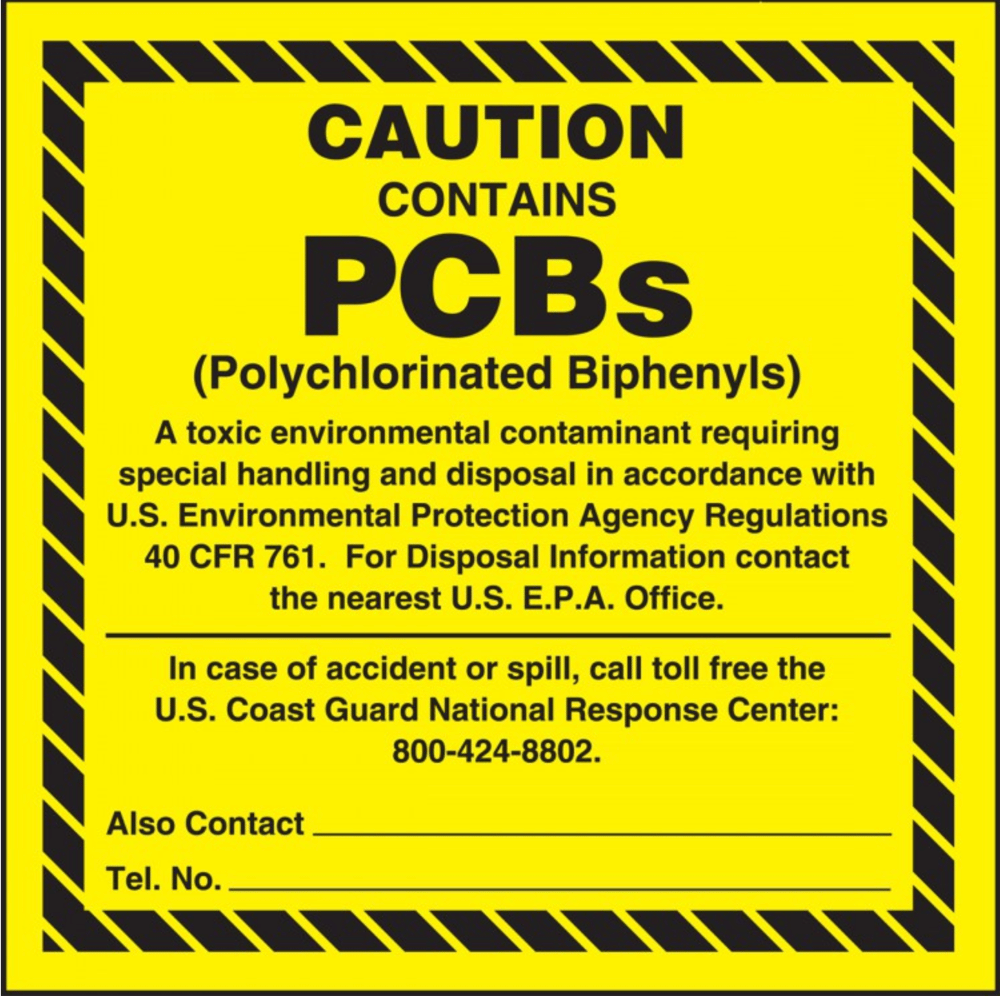
PCB's (PolyChlorinated Biphenyls) are another, obsolete building material that can create both health and financial risks. Like lead based paint this construction component was also banned in the USA in 1978.
Asbestos was banned 4 years earlier in 1974.
Due to the fact that PCB’s don’t easily degrade or break down made them a popular ingredient and was predominately used in numerous construction materials for industrial use.
Even though the USA banned the materials decades ago, it is still widely used worldwide and continues to expose many to its harmful environmental effects.
Like other outdated hazardous building materials such as asbestos and lead-based paint, PCB’s are still in place and unfortunately there is no way to practically remove them all.
If not properly controlled they will subject many to far reaching and damaging health effects along with financial liabilities.
This is especially concerning in schools, hospitals and other public buildings where the risk of health and financial exposer is greater than in other typical buildings.
The more people are educated about the concerns of exposure the greater the chance of avoiding and mitigating that exposure.
The first thing to know is that PCB’s come in both solid and liquid forms and need to be dealt with differently.
For this discussion, we are looking at the solid form of PCB’s and how there is a simple and safe way to control them to avoid exposure.
I’ve personally been on projects where the coatings on a building contained all three solid hazardous materials, PCB’s, Asbestos and Lead-Based Paint.
The release of these toxic materials become more likely over time with those materials breaking down after attack from weather, UV (ultra violet) rays, building movement due to vibration, expansion and contraction along with other environmental factors such as acid rain, chemical air pollution, etc.
The first step is to identify the offending material and then contain it. This can be accomplished by covering and sealing it in place with a simple and hopefully green coating.
Although any coating will seal it in, only a sustainable, industrial coating with specific characteristics that is designed and tested for that use should be implemented.
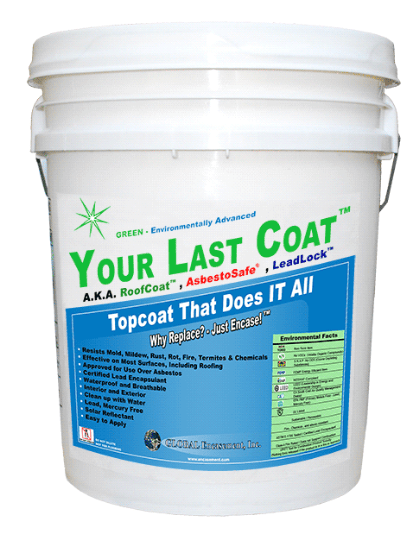
Only a proven, quality coating should be used to in-place manage hazardous materials, guaranteeing that those materials are properly controlled and can help prevent potential harmful exposure.
When using coatings to deal with the containment and in place management of hazardous materials only superior coatings that have been tested and demonstrated to hold up in extreme, exterior situations should be considered.
Also a coating that is designed to last long term – at least 20 years.
What are your questions?
We are always here to help and excited to answer them.
Contact us at +1 (800) 266-3982 , or send us an email at service@encasement.com and leave a comment below.
See other posts like this one:

Monday, September 18, 2023
California's Bold Step Towards a Greener Future: Reducing Embodied Carbon
Thursday, September 14, 2023
Innovations in Green Coatings: Paving the Way for a Greener Future
Wednesday, September 13, 2023
The Climate Lawsuit of a Lifetime: 6 Young Heroes Take on 32 Governments

Tuesday, September 12, 2023
Managing Debris After Earthquake Disasters: Safeguarding Lives and Health
Monday, September 11, 2023
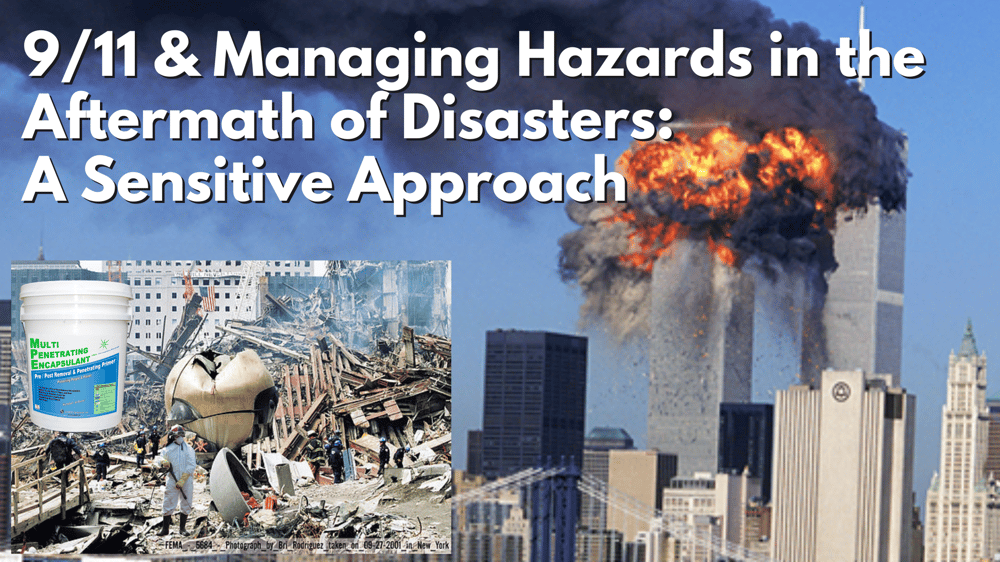
9/11 & Managing Hazards in the Aftermath of Disasters: A Sensitive Approach

Wednesday, September 06, 2023
Fortify Your Future: Protecting Your Property in an Age of Climate Uncertainty & Insurance Coverage Retreat

Tuesday, September 05, 2023
Prayers Are Being Answered: A Hopeful Perspective on Combating Climate Change

Thursday, August 31, 2023
Unlocking a Greener Tomorrow: The Economic Advantages Embracing New Opportunities of Green Coatings Encasement
Wednesday, August 30, 2023
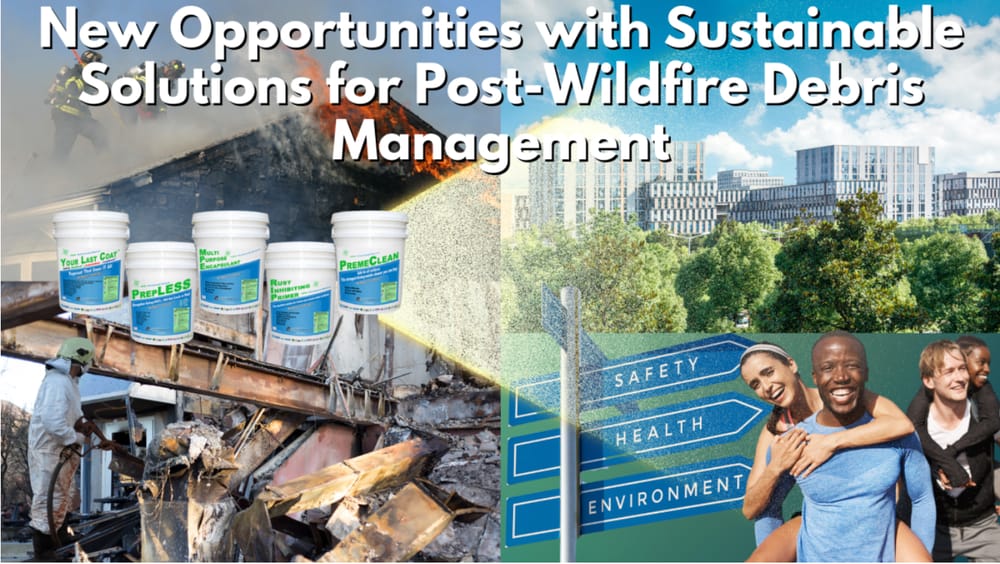
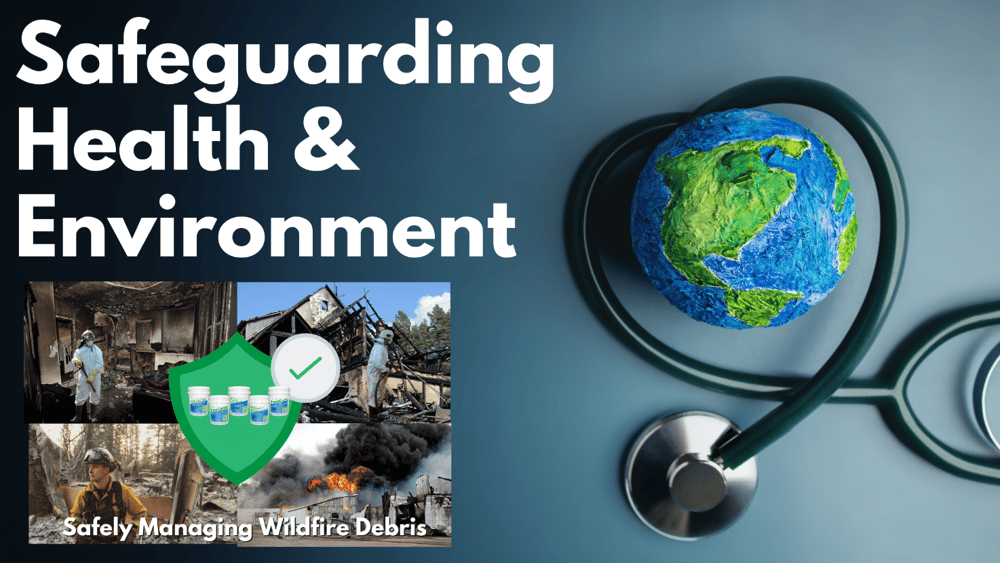
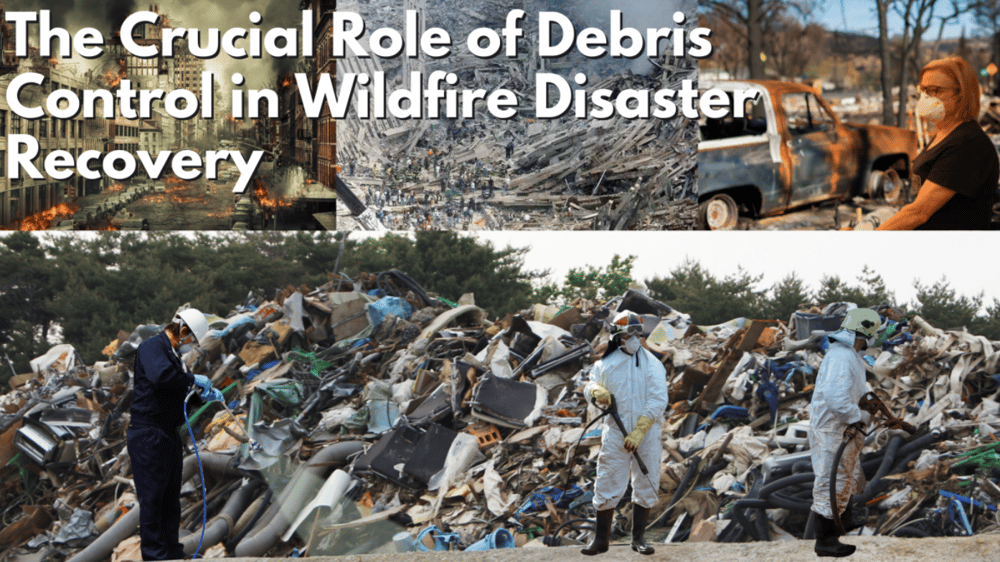
New Opportunities with Sustainable Solutions for Post-Wildfire Debris Management
Friday, August 18, 2023
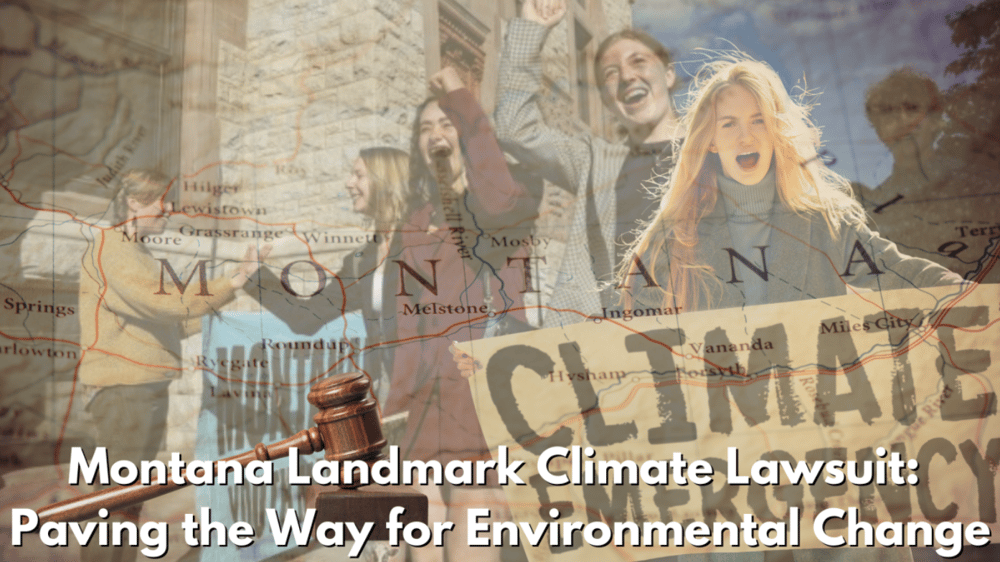
Montana Landmark Climate Lawsuit: Paving the Way for Environmental Change
Wednesday, August 16, 2023
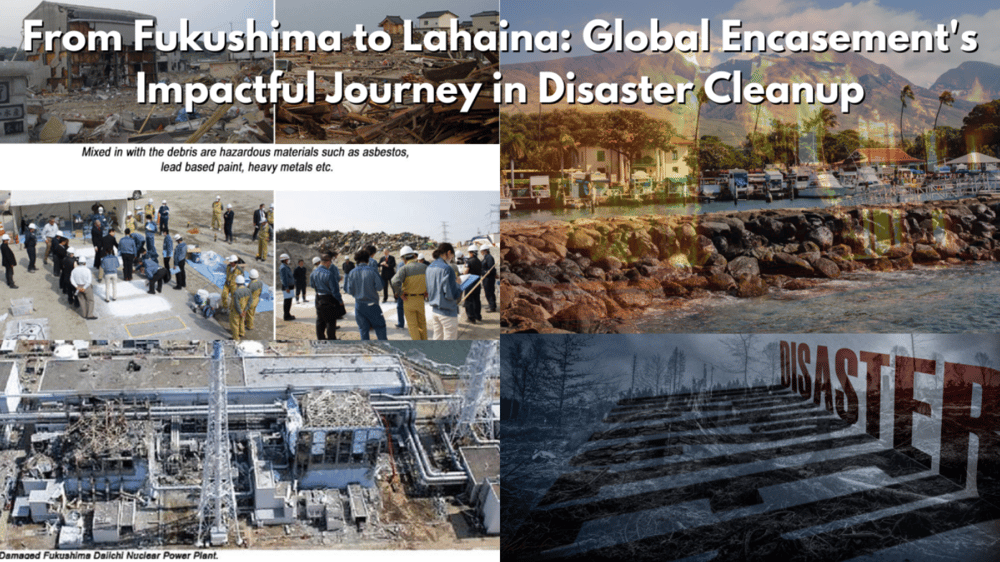
From Fukushima to Lahaina: Global Encasement's Impactful Journey in Disaster Cleanup

© Copyright 2026 Global ENCASEMENT, Inc. | ALL Rights Reserved