
LONG-LASTING COATINGS
PROTECTING BUILDINGS & PLANET

Buildings Are Under Attack From Weather, Hazards & Aging
Green ENCASEMENT Coatings
Create Long-Lasting Protection Against All of It
Defending What You Have For Decades So You Don’t Have to Replace It


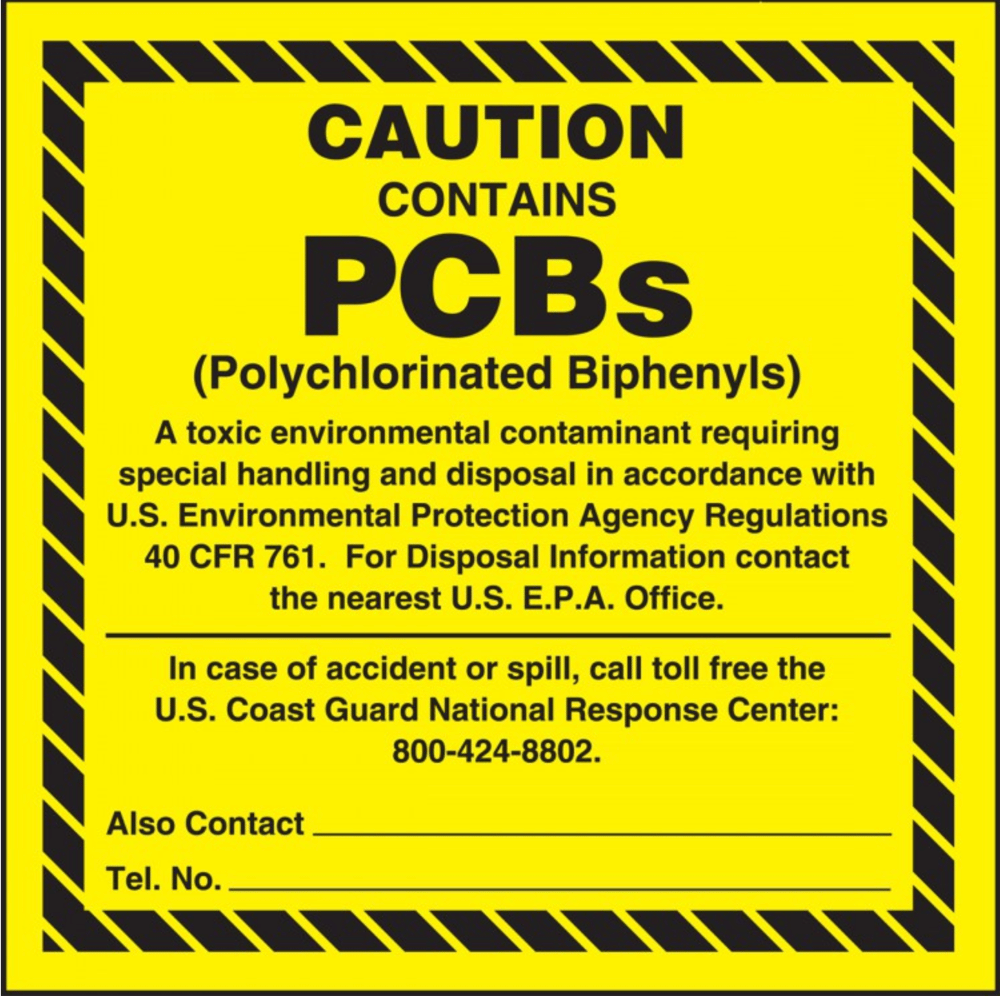
Silent Dangers of PCB's (PolyChlorinated Biphenyls)
Friday, April 19, 2019
Listen and Learn: Dive into the Audio Version of Our Blog
PCB's (PolyChlorinated Biphenyls) are another, obsolete building material that can create both health and financial risks. Like lead based paint this construction component was also banned in the USA in 1978.
Asbestos was banned 4 years earlier in 1974.
Due to the fact that PCB’s don’t easily degrade or break down made them a popular ingredient and was predominately used in numerous construction materials for industrial use.
Even though the USA banned the materials decades ago, it is still widely used worldwide and continues to expose many to its harmful environmental effects.
Like other outdated hazardous building materials such as asbestos and lead-based paint, PCB’s are still in place and unfortunately there is no way to practically remove them all.
If not properly controlled they will subject many to far reaching and damaging health effects along with financial liabilities.
This is especially concerning in schools, hospitals and other public buildings where the risk of health and financial exposer is greater than in other typical buildings.
The more people are educated about the concerns of exposure the greater the chance of avoiding and mitigating that exposure.
The first thing to know is that PCB’s come in both solid and liquid forms and need to be dealt with differently.
For this discussion, we are looking at the solid form of PCB’s and how there is a simple and safe way to control them to avoid exposure.
I’ve personally been on projects where the coatings on a building contained all three solid hazardous materials, PCB’s, Asbestos and Lead-Based Paint.
The release of these toxic materials become more likely over time with those materials breaking down after attack from weather, UV (ultra violet) rays, building movement due to vibration, expansion and contraction along with other environmental factors such as acid rain, chemical air pollution, etc.
The first step is to identify the offending material and then contain it. This can be accomplished by covering and sealing it in place with a simple and hopefully green coating.
Although any coating will seal it in, only a sustainable, industrial coating with specific characteristics that is designed and tested for that use should be implemented.
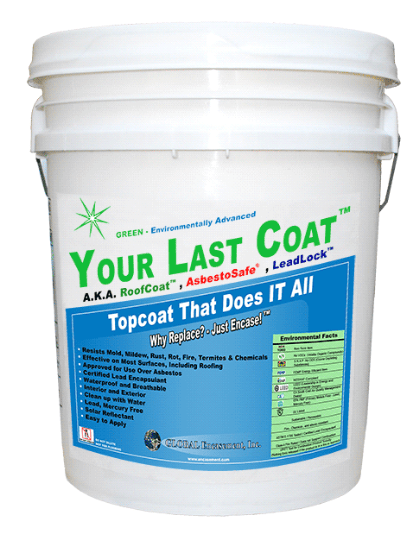
Only a proven, quality coating should be used to in-place manage hazardous materials, guaranteeing that those materials are properly controlled and can help prevent potential harmful exposure.
When using coatings to deal with the containment and in place management of hazardous materials only superior coatings that have been tested and demonstrated to hold up in extreme, exterior situations should be considered.
Also a coating that is designed to last long term – at least 20 years.
What are your questions?
We are always here to help and excited to answer them.
Contact us at +1 (800) 266-3982 , or send us an email at service@encasement.com and leave a comment below.
See other posts like this one:

Monday, October 09, 2023
Embracing Indigenous Wisdom: Celebrating Indigenous Peoples' Day and Their Timeless Connection to Nature
Friday, October 06, 2023
Unveiling the Future: Asian Development Bank's 11th Business Opportunities Fair Rewrites the Climate Change Narrative

Thursday, October 05, 2023
Unprecedented Crisis Unfolds: Antarctic Sea Ice at Record Low – The Alarming Impact on Our Planet You Need to Know!"

Wednesday, October 04, 2023
Breaking News: Paris Agreement's 1.5-Degree Target Still Attainable! Urgent Actions Needed to Avert Climate Catastrophe

Tuesday, October 03, 2023
Revolutionizing Corporate Responsibility: The $9 Trillion Pledge to Save Nature
Monday, October 02, 2023
New York City's Climate Nightmare: Are We Ready for the Next Deluge?

Friday, September 29, 2023
Can you Hear the Urgent Calls for Climate Unity? Superpowers Hold the Key to This Year’s COP28 Success

Thursday, September 28, 2023
Did You Know There Are Unsung Heroes of Climate Change Mitigation?
Wednesday, September 27, 2023
Navigating the Climate Litigation Landscape & The Power of Optimism

Monday, September 25, 2023
California Takes a Stand & Sues Big Oil for Environmental Deception Introduction

Thursday, September 21, 2023
Becoming Stubborn Optimists: Our Decisive Decade for Climate Change Action

Wednesday, September 20, 2023
Singapore Green Plan 2030: Revolutionizing Sustainable Infrastructure with Holistic Building Design

© Copyright 2026 Global ENCASEMENT, Inc. | ALL Rights Reserved