LONG-LASTING COATINGS
PROTECTING BUILDINGS & PLANET
Buildings Are Under Attack From Weather, Hazards & Aging
Green ENCASEMENT Coatings
Create Long-Lasting Protection Against All of It
Defending What You Have For Decades So You Don’t Have to Replace It


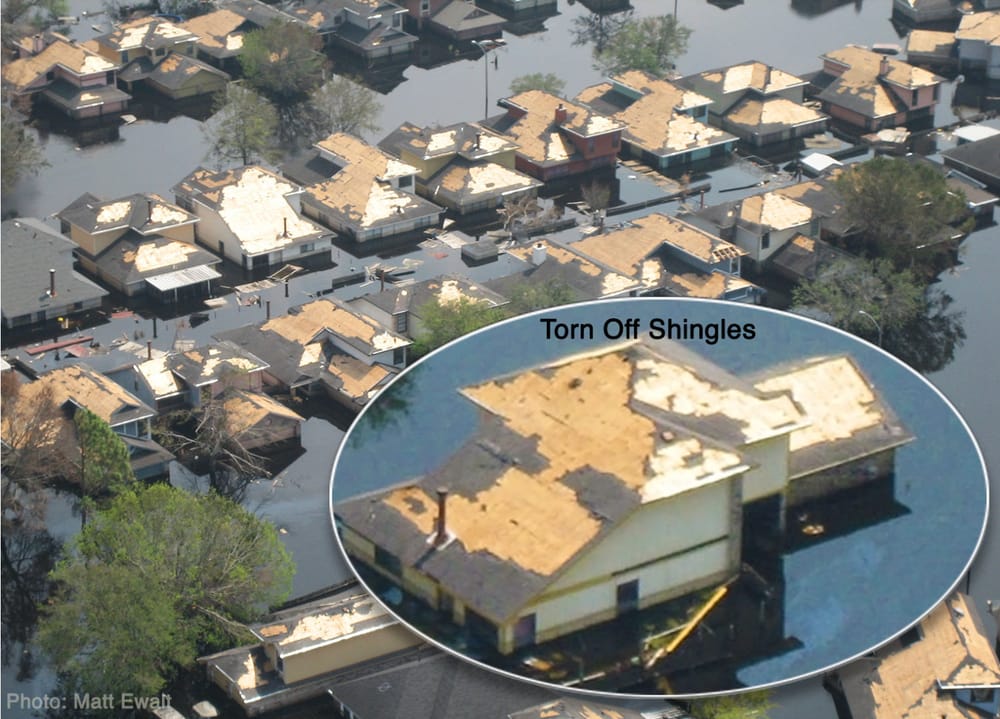
Roof Shingle Storm Tear Off is Avoidable
Thursday, January 03, 2019
Listen and Learn: Dive into the Audio Version of Our Blog
Roofs are the most vulnerable building surfaces.
These take the worst that Mother Nature has to throw. And I do mean throw – hurricanes, typhoons, and tornados.
You name it. As storms intensify, roofs need even more and better protection than other building components.
The most vulnerable building surface in any storm or wind event is the roof and the weakest points of a roof are at the seams and wherever there are gaps.
So, it stands to reason that the susceptible roofs are the ones with the most seams or breaks in the system as with shingled roofs.
This also means that a roof designed to take much abuse in a straight downpour is sometimes vulnerable against strong wind events with powerful uplift, which can tear off shingles and whole sections of roofing.
In strong weather events, especially those with strong wind occurrences, any seam, gap or hole allow wind to get through and get behind them, then tear off with wind uplift.
But this is just one of the ways roofs are destroyed.
Roofs are vulnerable even on sunny days, when these have to hold up against intense attack from powerful UV (Ultra Violet) rays.
UV rays are proven to break down any building material over the long term and cause major deterioration.
This subtle attack produces damaging results that, when left unchecked, can lead to expensive leaks.
So what is the best way to protect your roofs?
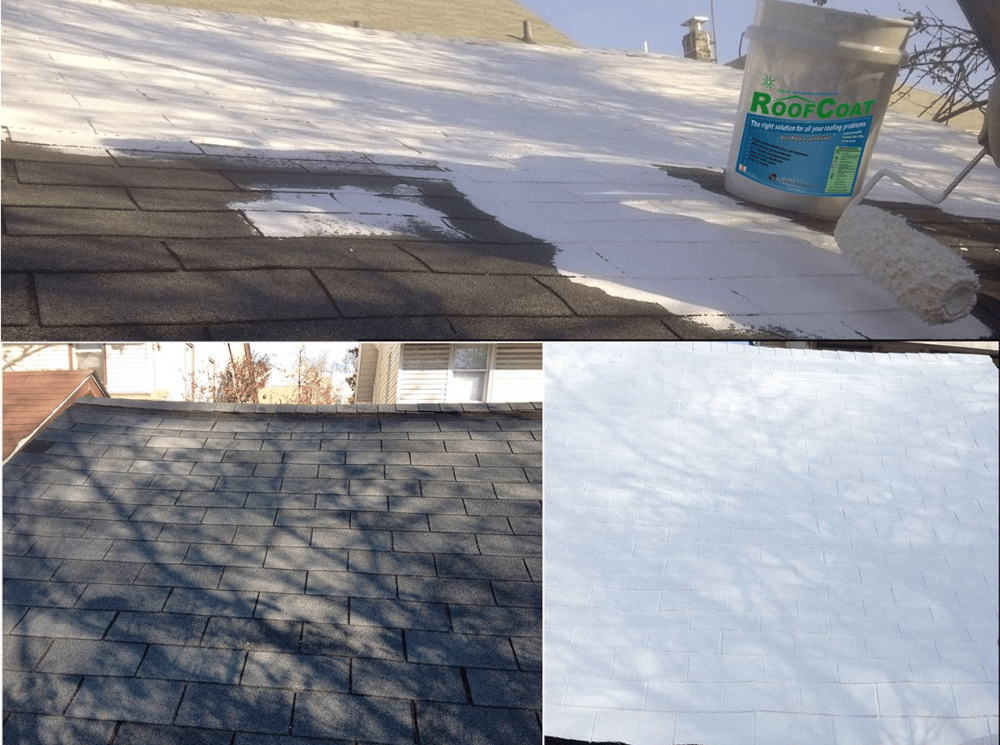
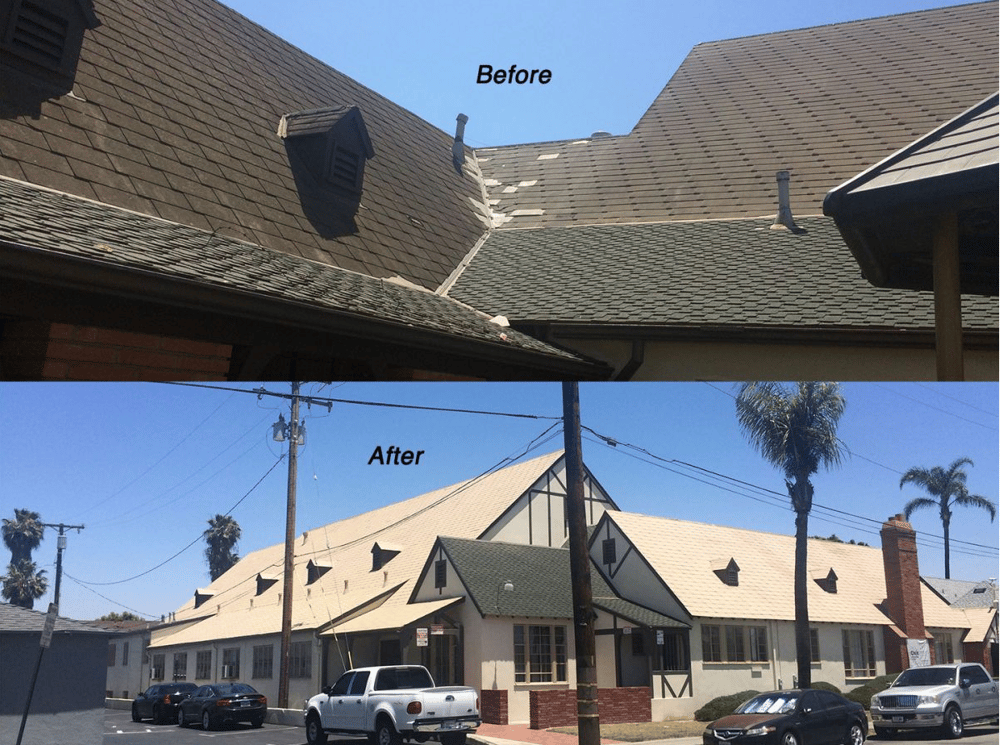
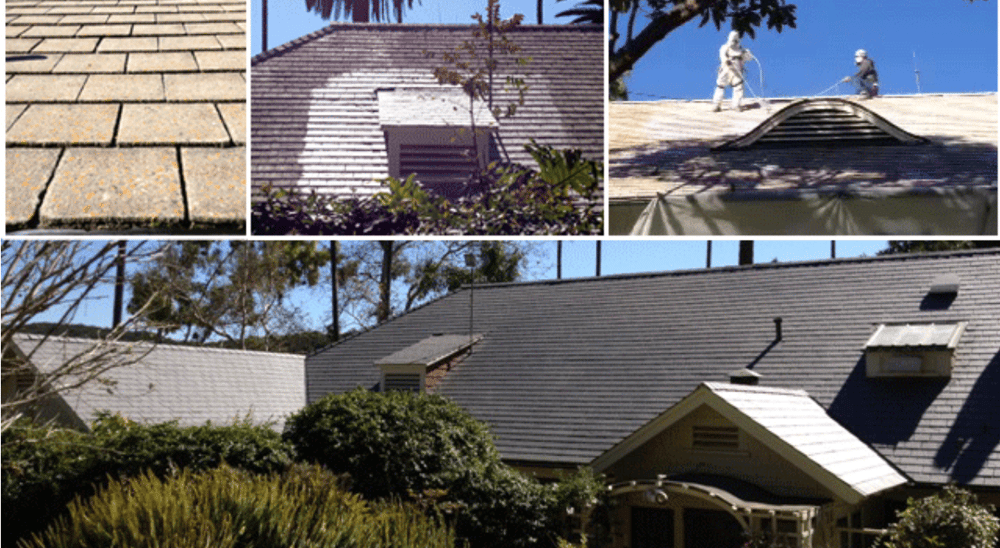
The simplest and most proficient way to restore, protect and stop the continued degradation of all existing roofing is to coat and completely seal it with a product that is designed to waterproof as well as give UV protection.
A product that will turn a multi-seamed, many part roof into a continuous, seamless and monolithic membrane that is UV resistant, and impervious to water penetration and tear off from wind uplift.
In areas where wild fires are common and there is potential for hot embers landing on roofs, it would be of greater benefit to take the same coating that is Class A Fire resistant and does not support combustion.
What are your questions?
We are always here to help and excited to answer them.
Contact us at +1 (800) 266-3982 , or send us an email at service@encasement.com and leave a comment below.
See other posts like this one:

Friday, June 07, 2024
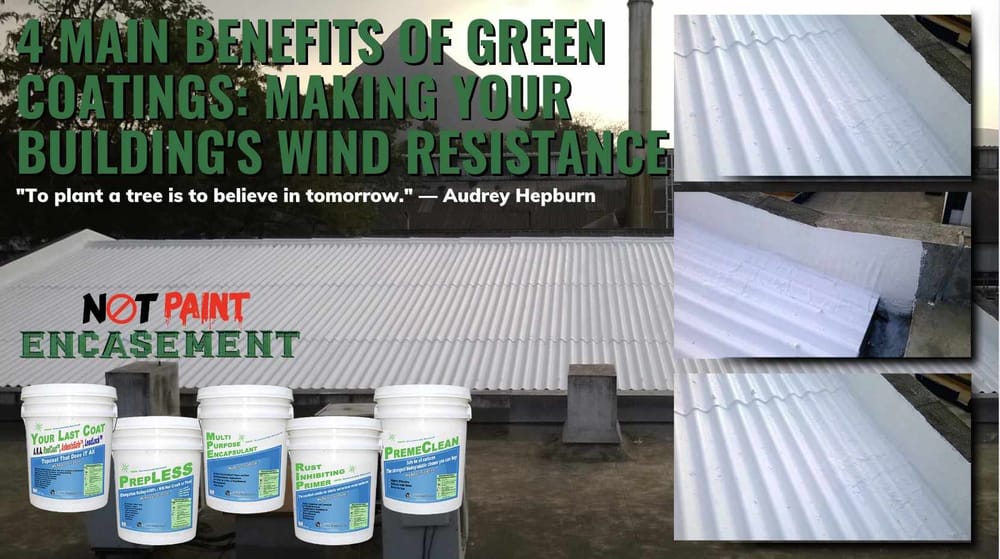
4 Main Benefits of Green Coatings: Making Your Building's Wind Resistance


© Copyright 2026 Global ENCASEMENT, Inc. | ALL Rights Reserved