LONG-LASTING COATINGS
PROTECTING BUILDINGS & PLANET

Buildings Are Under Attack From Weather, Hazards & Aging
Green ENCASEMENT Coatings
Create Long-Lasting Protection Against All of It
Defending What You Have For Decades So You Don’t Have to Replace It


Renewable: Green Coatings & Buildings Surfaces
Monday, February 05, 2018
Listen and Learn: Dive into the Audio Version of Our Blog
Green Coating Encasement is importantly renewable on two environmental fronts. First, the coatings themselves are renewable.
At the end of their typical life cycle, they are simply recoated to cross-link bond adhering to themselves and extending their service life indefinitely.
This is also part of the sustainable definition.
Secondly and more importantly, they turn the surfaces renewable. You will never need to remove, replace, and dispose of the surfaces they are covering and protecting.
Restoring and turning old worn out buildings and their surfaces renewable is also recycling at its best.
When we save, renew and restore buildings and their components by recycling them, it cuts down on the generation, transportation and storage of unwanted waste.
It also minimizes the use of natural resources needed to replace items that are unnecessarily removed and substituted for something new.
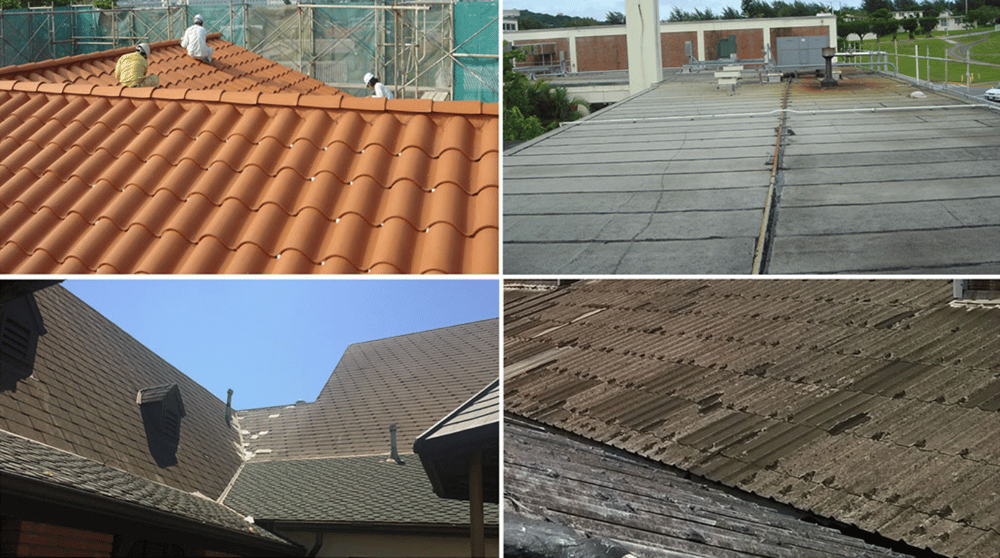
Do you know the one large building component that is often removed and replaced after its short life span?
That’s right, roofing.
Now imagine if you over-coated with green coating encasement instead.
Imagine extending its service life indefinitely, not generating unwanted waste that needs to transported and stored.
You’d be saving on dump fees, which are usually calculated by weight.
If you’re residing in the US, you’re most likely aware that International Green Building Codes, along with the California Building Code, now have minimal waste diversion requirements.
Restoration helps comply with these, as waste generation into landfills is harmful to the environment and should be the last option.
The IRS also classifies roof restoration as maintenance and can often be expensed in the accounting period in which it was incurred.
But wait, there is more! Roof restoration with green coating encasement takes what was good about the old roof, such as the R Value (Insulation), and combines it to give new properties of a renewable, monolithic, seamless membrane.
This improved surface becomes more resistant to high wind and storm events.
Having read these benefits, don’t you agree that most building surfaces and the environment will benefit from being renewed and restored as opposed to removal and replacement?
What are your questions?
We are always here to help and excited to answer them.
Contact us at +1 (800) 266-3982 , or send us an email at service@encasement.com and leave a comment below.
See other posts like this one:

Tuesday, September 24, 2019
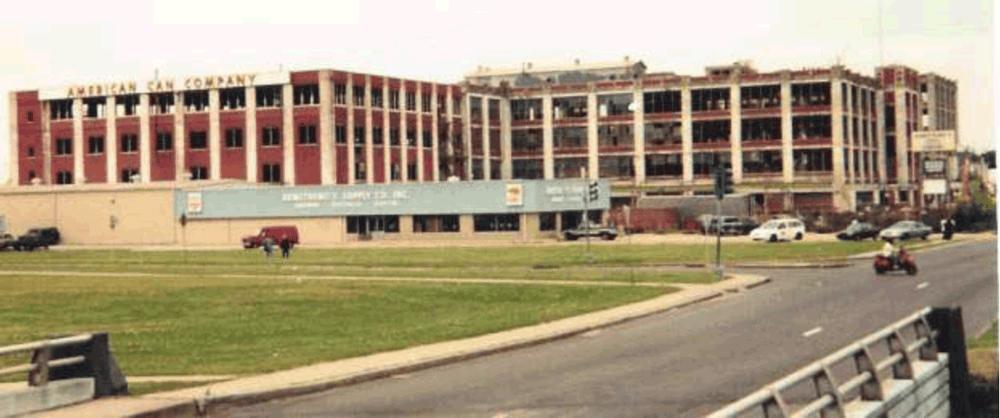
Big Benefits to Brownfield Properties from GEI’s Green Coatings Encasement
Thursday, August 01, 2019
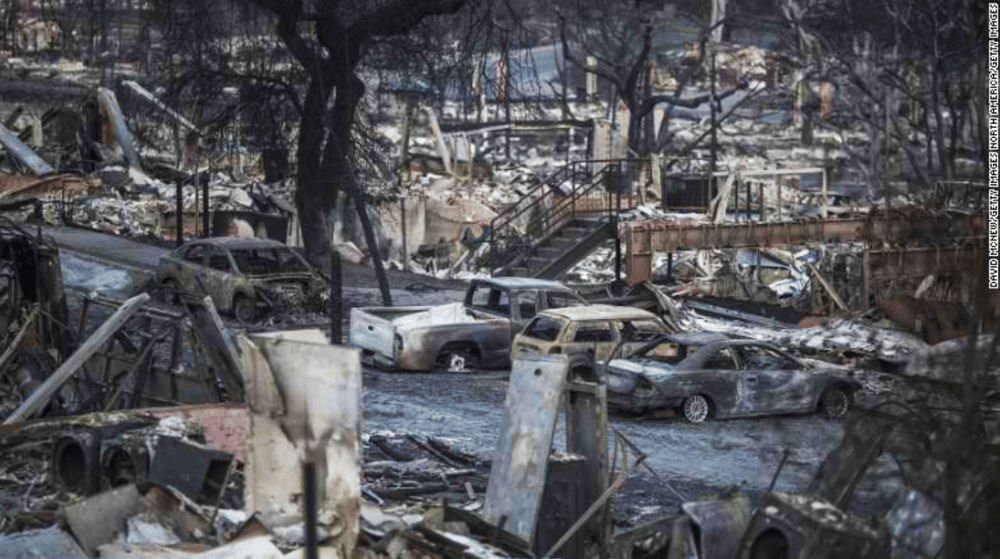
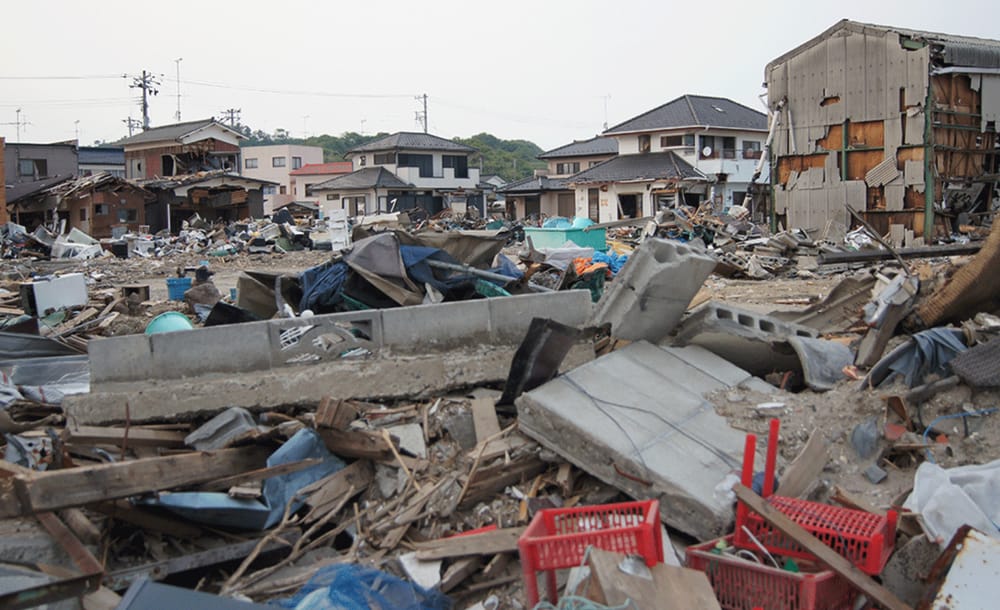
Aid in Toxic Clean Up after Disasters - Minimize and Avoid Secondary Exposure

© Copyright 2026 Global ENCASEMENT, Inc. | ALL Rights Reserved