LONG-LASTING COATINGS
PROTECTING BUILDINGS & PLANET

Buildings Are Under Attack From Weather, Hazards & Aging
Green ENCASEMENT Coatings
Create Long-Lasting Protection Against All of It
Defending What You Have For Decades So You Don’t Have to Replace It


Out of Control Wildfires & Toxic Ash
Tuesday, August 07, 2018

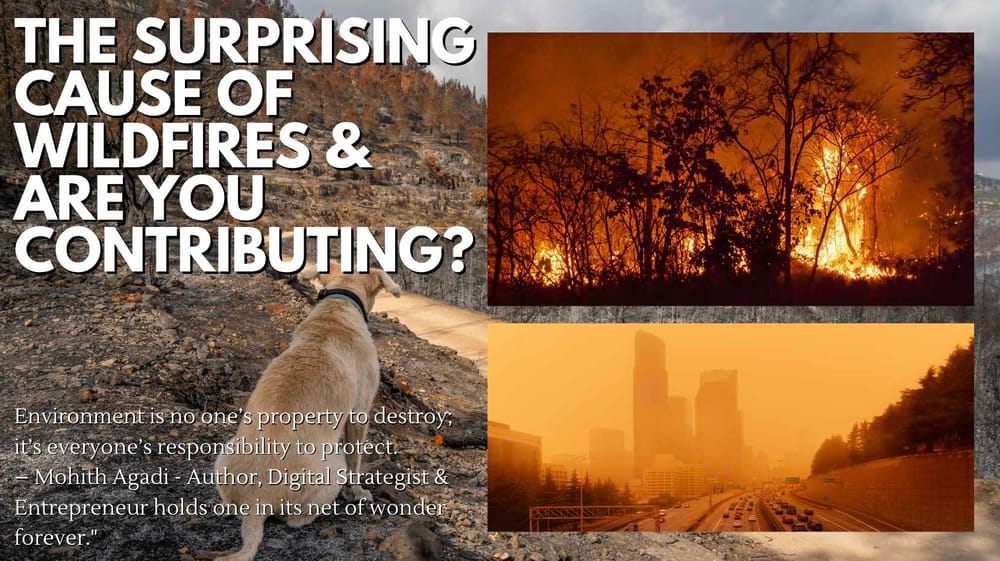
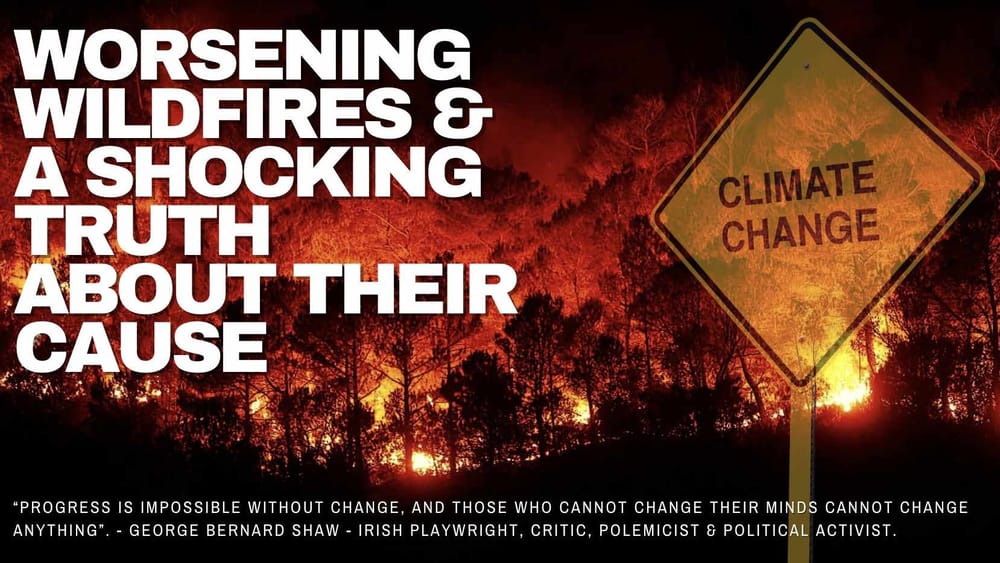
91 people were killed recently in Greece as wildfire swept the country.
In the USA, there are at least 18 active fires burning through California alone.
The deadly Mendocino Complex Fire itself has burned over 283,800 acres and grew about 80% in 4 days becoming the largest fire in state history, while the Carr fire has destroyed over 1,000 homes.
With wildfires raging out of control across the US & around the world, I feel it’s important to again emphasize that these fires leave behind toxic ash and hazardous material the needs to be safely dealt with.
The lost lives, destroyed lands and demolished homes have devastated the lives of so many which is terrible enough.
But there is an underlying fact that the danger can continue long after the flames go out.
Homes and buildings that have been destroyed by fires leave behind extremely toxic ash and hazardous debris that can cause harm and damage to those that are tackling the clean up and living close by.
But why is this so?
The toxic debris and hazardous ash can potentially contain harmful levels of heavy metals, which include antimony, chromium, arsenic, cadmium, copper, lead and zinc.
This assortment of hazardous debris can also contain electronic waste from computers, monitors, batteries and other toxic substances from, paints, polychlorinated biphenyls (PCBs) and asbestos.

After the fires are extinguished, the leftover toxic debris can create a direct exposure to those that are sifting through, handling the ash and living in the surrounding areas.
Hence, it is important to make sure this hazardous ash is contained and controlled as much as possible.
This can be accomplished by first properly wetting down and controlling the offending material with the right product and then properly handling it during the clean up and removal, thereby minimizing and helping prevent the possibility of unnecessary exposure to individuals and entire neighborhoods.
What are your questions?
We are always here to help and excited to answer them.
Contact us at +1 (800) 266-3982 , or send us an email at service@encasement.com and leave a comment below.
See other posts like this one:




Friday, June 07, 2024
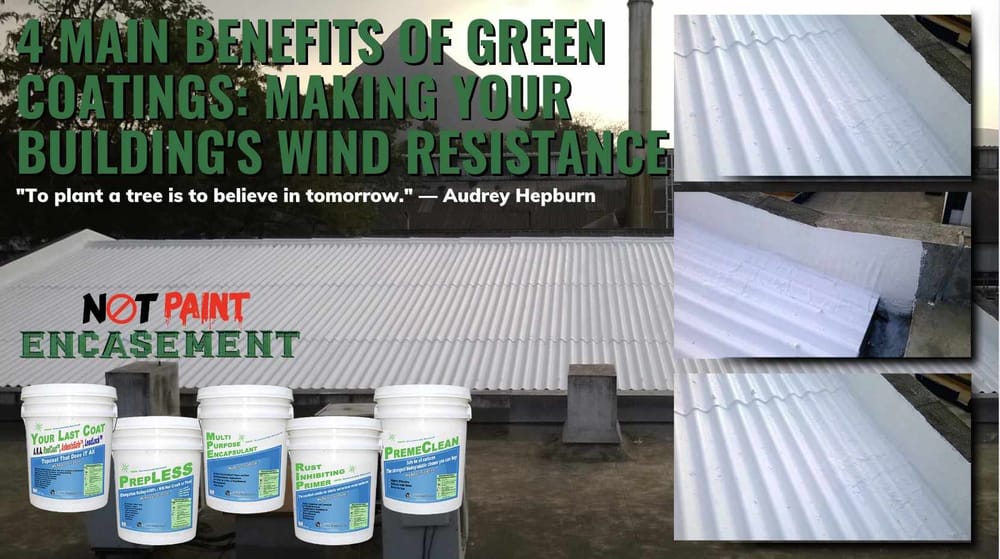
4 Main Benefits of Green Coatings: Making Your Building's Wind Resistance


© Copyright 2026 Global ENCASEMENT, Inc. | ALL Rights Reserved