LONG-LASTING COATINGS
PROTECTING BUILDINGS & PLANET

Buildings Are Under Attack From Weather, Hazards & Aging
Green ENCASEMENT Coatings
Create Long-Lasting Protection Against All of It
Defending What You Have For Decades So You Don’t Have to Replace It

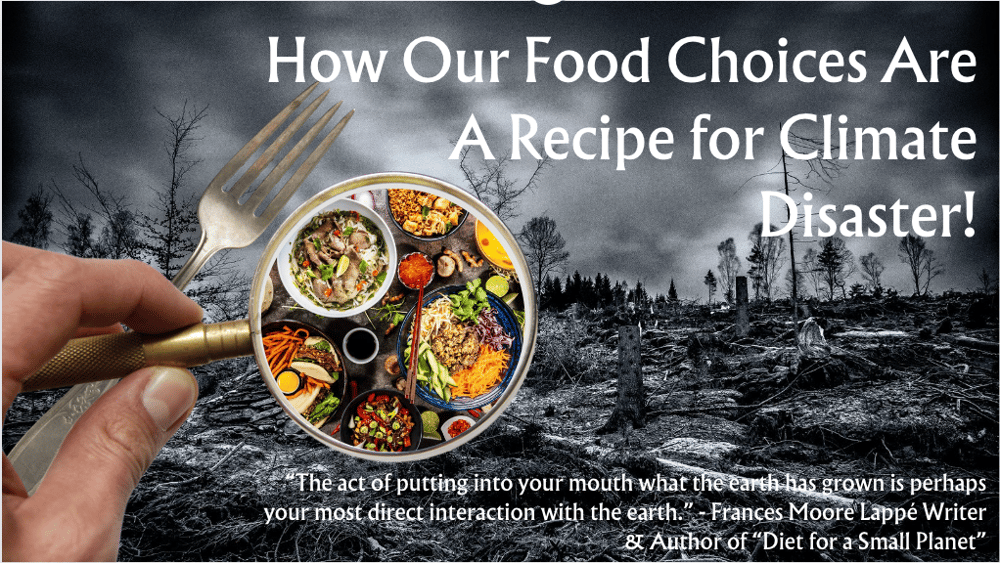
How Our Food Choices Are A Recipe for Climate Disaster!
Friday, September 13, 2024
By: George C. Keefe
Note: The Author is an Environmentalist, Green Coatings Enthusiast, Advisor, Contractor, Consultant, Vegan, Blogger, Podcaster. Protecting the Health of People & Planet. CEO & Founder at Global ENCASEMENT, Inc., Restoration & Management vs Removal & Replacement. Why Replace – Just Encase!
Listen and Learn: Dive into the Audio Version of Our Blog
The aroma of a sizzling steak, the crunch of fresh vegetables, the sweetness of ripe fruit – food is not just sustenance, it's a sensory experience that brings us joy and comfort.
But have you ever stopped to consider how your meal choices impact our planet?
In this episode I explore how the connection between our plates and the climate crisis is more significant than you might think.
Every bite we take has a ripple effect on the environment.
From farm to fork, our food system is responsible for about one-third of global greenhouse gas emissions.
That's a staggering figure, especially when you consider that this includes everything from deforestation for agriculture to the energy used in food processing and transportation.
Let's start with meat production.
The livestock industry is a major contributor to climate change, responsible for about 14.5% of global greenhouse gas emissions.
Cattle, in particular, are problematic due to their methane emissions and the vast amounts of land and water required for their upkeep.
A single quarter-pound beef burger requires an astonishing 660 gallons of water to produce.
But it's not just meat.
The way we grow our crops also plays a significant role. Intensive farming practices deplete soil health, reducing its ability to store carbon.
Excessive use of fertilizers leads to nitrous oxide emissions, a potent greenhouse gas.
Moreover, when we waste food – and globally, we waste about one-third of all food produced – we're not just throwing away nutrients, but also all the resources that went into growing, processing, and transporting that food.
However, it's not all doom and gloom.
Our food choices also present an opportunity for positive change.
By making mindful decisions about what we eat, we can significantly reduce our carbon footprint.
Opting for more plant-based meals, choosing locally sourced and seasonal produce, and reducing food waste are all powerful ways to make a difference.
But our responsibility doesn't end with what's on our plates.
The way we store and prepare our food also matters.
This is where eco-friendly products and the right green coatings come into play, creating an unexpected link between our kitchens and climate action.
Think about how food storage and distribution infrastructure plays a crucial role in our global food system.
Warehouses, cold storage facilities, and transportation hubs are essential links in the food supply chain.
These buildings, along with the housed vehicles used for food transport, can benefit significantly from green coating technologies.
Applying eco-friendly protective long-lasting coatings to these structures enhances their durability, energy efficiency, and overall environmental performance.
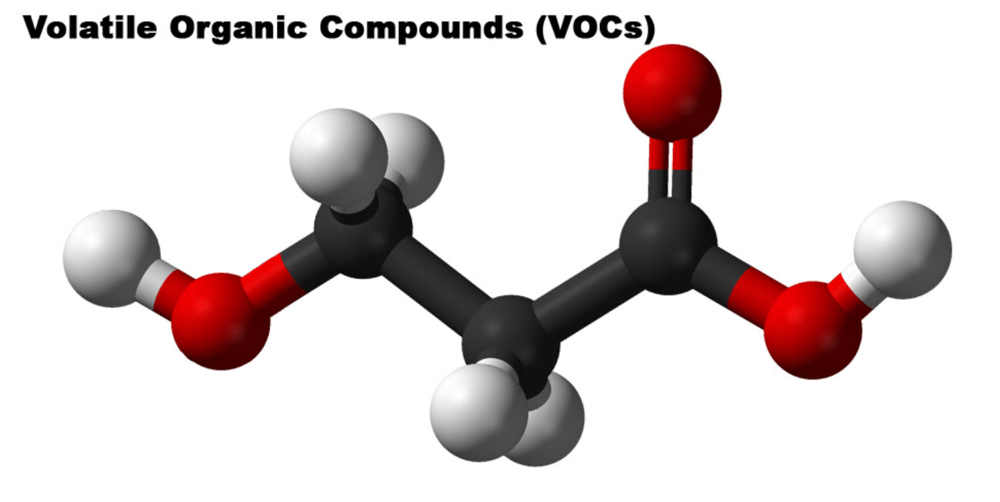
Many traditional coatings used on these surfaces are short-term and contain high levels of volatile organic compounds (VOCs) that contribute to air pollution and climate change.
Moreover, as these obsolete coatings quickly degrade over time, they can leach harmful chemicals into our food and environment.
This is where the right green coatings make a crucial difference.
These innovative, eco-friendly alternatives are designed to protect surfaces without harming the environment.
They're water-based, non-toxic, biodegradable, with zero to low VOC’s (volatile organic content) and engineered to be long-lasting, guaranteed 20 year, renewable service cycles, reducing the need for frequent reapplication.
But the benefits of the right green coatings extend far beyond our kitchens.
In the broader context of buildings and infrastructure, these coatings play a vital role in protecting structures while minimizing environmental impact.
From the paint on our walls to the protective layers on our roofs, the right green coatings are working silently to reduce energy consumption, extend the lifespan of materials, and decrease the overall carbon footprint of our built environment.
For instance, solar/heat reflective roof coatings can significantly reduce a building's energy needs by creating passive indoor cooling keeping it cooler in hot weather improving energy efficiency while also reducing the HIE (heat island effect).
The right green coatings have anti-corrosion properties that protect metal structures, reducing the need for resource-intensive replacements.
To Sum IT Up:
The right, defensive green coatings create a protective encasement that shields not just our buildings, homes and structures but also help protect our planet.
They represent a perfect synergy of human ingenuity and environmental consciousness, proving that we can protect our assets without compromising our future.
As we face the mounting challenges of climate change, it's clear that every action counts.
From the food on our plates to the coatings on our surfaces, we have the power to make choices that protect our planet.
By being mindful of our food's journey from farm to table, and by embracing eco-friendly technologies like the right green coatings, we can each play a part in creating a more sustainable, resilient world.
Remember, the path to combating climate change isn't just about grand gestures – it's about the small, everyday choices we make.
So next time you sit down for a meal or consider a building or home improvement project, think about the broader impact of your choices.
After all, protecting our planet starts right at home, one bite and one coating at a time.
“The act of putting into your mouth what the earth has grown is perhaps your most direct interaction with the earth.” - Frances Moore Lappé Writer & Author of “Diet for a Small Planet”
What are your questions?
We are always here to help and excited to answer them.
Contact us at +1 (800) 266-3982 , or send us an email at service@encasement.com and leave a comment below.
See other posts like this one:




Tuesday, September 24, 2019
Big Benefits to Brownfield Properties from GEI’s Green Coatings Encasement
Thursday, August 01, 2019
Aid in Toxic Clean Up after Disasters - Minimize and Avoid Secondary Exposure

© Copyright 2026 Global ENCASEMENT, Inc. | ALL Rights Reserved