
LONG-LASTING COATINGS
PROTECTING BUILDINGS & PLANET

Buildings Are Under Attack From Weather, Hazards & Aging
Green ENCASEMENT Coatings
Create Long-Lasting Protection Against All of It
Defending What You Have For Decades So You Don’t Have to Replace It

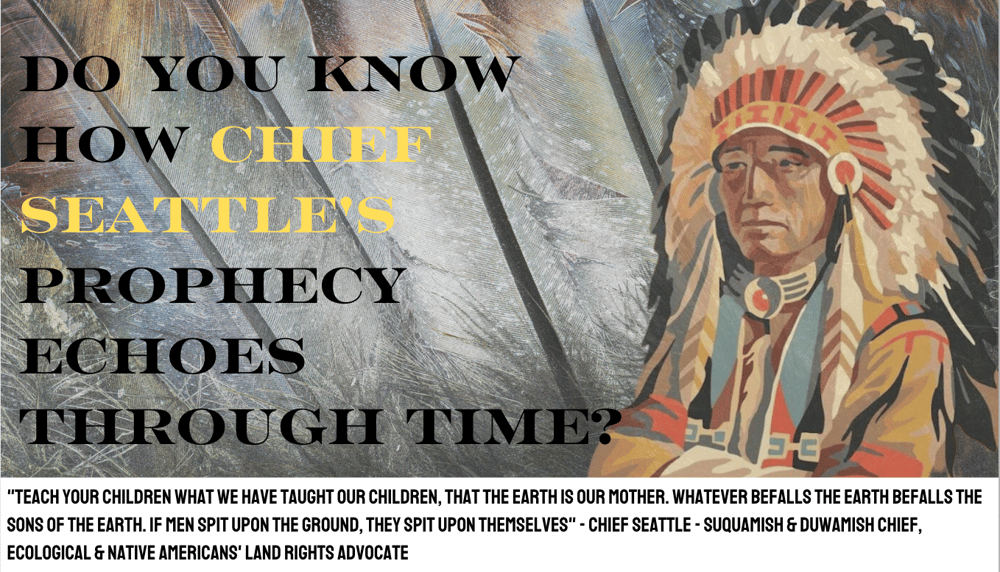
Do You Know How Chief Seattle's Prophecy Echoes Through Time?
Wednesday, September 04, 2024
By: George C. Keefe
Note: The Author is an Environmentalist, Green Coatings Enthusiast, Contractor, Consultant, Vegan, Blogger, Podcaster. Protecting the Health of People & Planet. CEO & Founder at Global ENCASEMENT, Inc., Restoration & Management vs Removal & Replacement. Why Replace – Just Encase!
Listen and Learn: Dive into the Audio Version of Our Blog
In an era of unprecedented environmental challenges, the words attributed to Chief Seattle resonate with a haunting prescience.
Though shrouded in historical debate, the speech allegedly given by this Native American leader in the mid-19th century has become a rallying cry for environmental consciousness.
In this episode I confirm it’s timeless importance and powerful themes of interconnectedness, respect for nature, and critique of unsustainable practices have found new relevance in our current climate crisis.
The speech, purportedly delivered in 1854 or 1855, emerged during a pivotal moment in American history.
As the United States expanded westward, native tribes faced immense pressure to cede their ancestral lands.
It was against this backdrop that Chief Seattle, leader of the Duwamish and Suquamish tribes, supposedly addressed Governor Isaac Stevens of Washington Territory.
While the exact words and authenticity of the speech remain subjects of scholarly debate, its impact on environmental thought is undeniable.
The message attributed to Chief Seattle articulates a worldview that stands in stark contrast to the prevailing attitudes of his time – and, some would argue, our own.
Central to this worldview is the concept of interconnectedness. "All things are connected," the speech proclaims, presenting a vision of the world as an intricate web of relationships.
This idea challenges the notion of nature as a resource to be exploited, instead positioning humanity as one part of a greater whole.
In an age of global climate change, where actions in one part of the world can have far-reaching consequences, this perspective seems more relevant than ever.
The speech also emphasizes the sacredness of nature, portraying the Earth not as a commodity to be owned, but as a living entity deserving of respect and reverence.
This spiritual dimension resonates deeply with many environmentalists who seek to foster a more harmonious relationship between humans and the natural world.
Perhaps most strikingly, the words attributed to Chief Seattle offer a searing critique of Western expansion and its environmental costs.
The speech highlights the cultural chasm between Indigenous peoples and European settlers, lamenting the latter's perceived disregard for the land.
This critique finds echoes in modern debates over sustainable development and resource management.
Over time, Chief Seattle's speech has taken on a life of its own, adapted and quoted in various forms.
Its poetic language and powerful imagery have captured the imagination of environmental advocates, educators, and policymakers alike.
It has become a touchstone for those seeking to articulate the ethical dimensions of our relationship with the natural world.
As we grapple with the realities of climate change, the message of Chief Seattle's speech takes on new urgency.
It compels us to reconsider our impact on the planet and seek more sustainable ways of living.
This shift in perspective is evident in the growing demand for eco-friendly products and technologies that aim to minimize environmental harm.
One area where this shift is particularly apparent is in the development of green coatings encasement technologies.
These innovative products seek to protect both buildings and the environment, offering a practical application of the interconnected worldview espoused in Chief Seattle's speech.
By using materials that are less harmful to produce and dispose of, these coatings represent a step towards more sustainable construction practices.
Moreover, the new opportunity and use of the right green coatings can contribute to energy efficiency in buildings, helping to reduce greenhouse gas emissions and combat climate change.
This aligns with the speech's call for harmony between human activities and the natural world.
By choosing eco-friendly alternatives in construction and renovation, we can work towards protecting not just our structures, but also the planet as a whole.
To Sum IT Up:
The enduring influence of Chief Seattle's speech on the environmental movement is a testament to the power of its message.
Whether viewed as a historical document or a poetic interpretation of Indigenous wisdom, it continues to inspire and challenge us.
As we face the urgent task of addressing climate change, the words attributed to this Native American leader remind us of our deep connection to the Earth and our responsibility to protect it.
By embracing sustainable practices and technologies, from everyday choices to innovative green coatings, we can strive to honor this legacy and work towards a more harmonious relationship with our planet.
"Teach your children what we have taught our children, that the earth is our mother. Whatever befalls the earth befalls the sons of the earth. If men spit upon the ground, they spit upon themselves" - Chief Seattle - Suquamish & Duwamish Chief, Ecological & Native Americans' Land Rights Advocate
What are your questions?
We are always here to help and excited to answer them.
Contact us at +1 (800) 266-3982 , or send us an email at service@encasement.com and leave a comment below.
See other posts like this one:


Tuesday, November 03, 2026
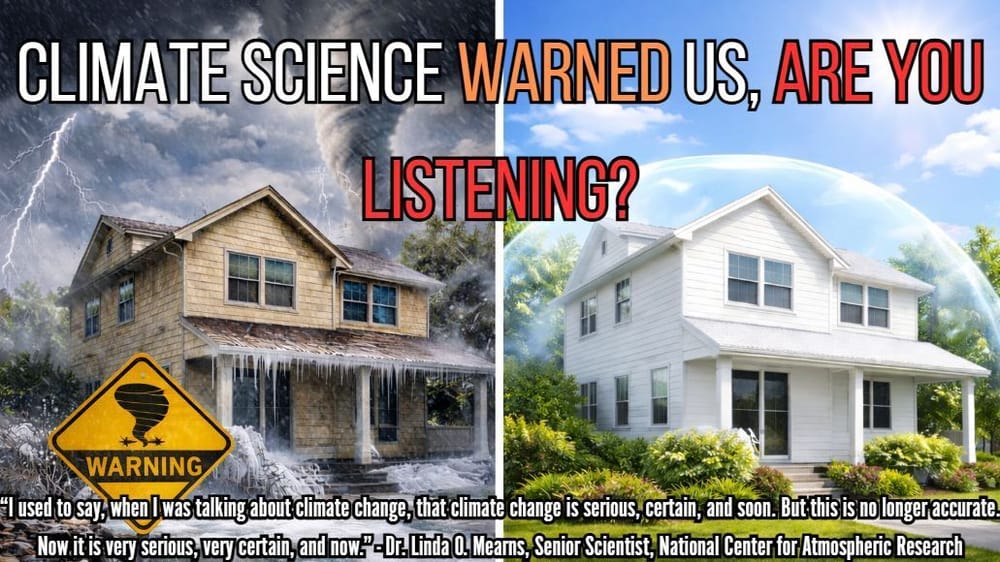
When Fanaticism Silences Science: Climate Denial, Disinformation, and the Buildings We Can Actually Save


Tuesday, September 01, 2026
The Best Environmental Product Category — Directly & Indirectly




Tuesday, August 04, 2026
The Bargain That Could Save Your Building — Before the Next Disaster Wipes It Out


© Copyright 2026 Global ENCASEMENT, Inc. | ALL Rights Reserved