
LONG-LASTING COATINGS
PROTECTING BUILDINGS & PLANET

Buildings Are Under Attack From Weather, Hazards & Aging
Green ENCASEMENT Coatings
Create Long-Lasting Protection Against All of It
Defending What You Have For Decades So You Don’t Have to Replace It

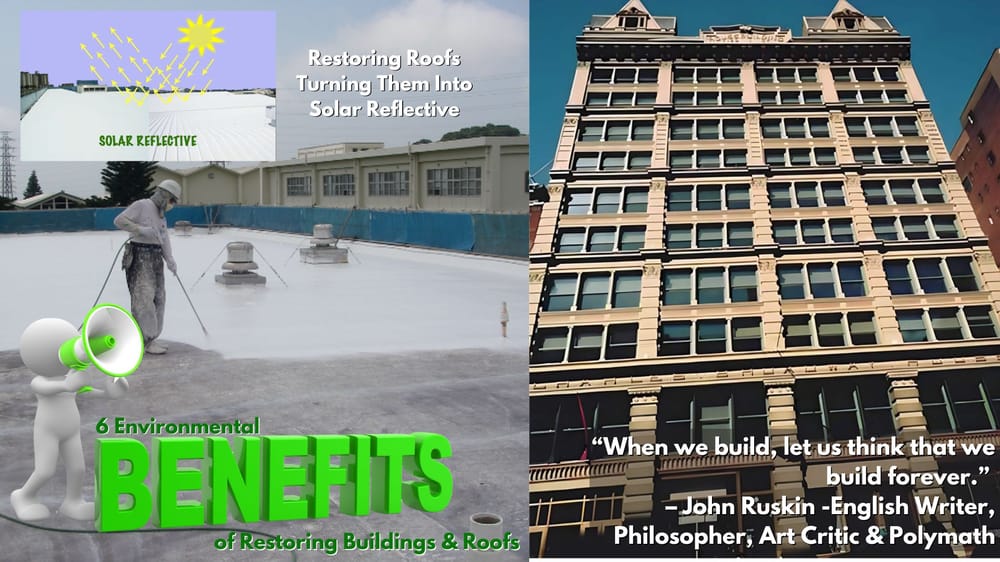
6 Environmental Benefits of Restoring Buildings & Roofs
Wednesday, January 24, 2024
Listen and Learn: Dive into the Audio Version of Our Blog
As we navigate the challenges posed by climate change, the importance of sustainable practices in construction and maintenance cannot be overstated.
In the quest for eco-friendly solutions, green coatings play a pivotal role in the restoration and preservation of buildings and roofs.
In this episode I look at how these innovative coatings contribute to environmental conservation and climate change mitigation.
1. Reducing Carbon Footprint:
The right green coatings are formulated with a commitment to sustainability.
By opting for these coatings in the restoration process, we can significantly decrease the need for manufacturing new materials, reducing the associated carbon footprint.
These coatings offer a durable and long-lasting solution, ensuring that the restored structures stand the test of time.
2. Energy Efficiency Enhanced:
Green coatings not only protect surfaces but also contribute to energy efficiency.
By applying reflective coatings on roofs, such as those provided by the right green coatings designed for all surfaces including roofs we can create "cool roofs."
These coatings reflect sunlight, reducing heat absorption and lowering the overall energy consumption needed for cooling.
They can also reinforce existing insulation and seal gaps that allow energy loss.
The result is a more energy-efficient building with a smaller environmental impact.
3. Waste Reduction Through Restoration:
When buildings are restored using green coatings, there is a significant reduction in construction and demolition waste.
The right green coatings are designed to be durable and resistant to wear and tear, extending the lifespan of surfaces.
This longevity not only minimizes the need for frequent repairs but also reduces the generation, transportation and storage of waste disposal associated with constant maintenance and replacements.
4. Long-term Sustainable Materials:
Green coatings often complement the use of sustainable materials.
Whether preserving historical structures or upgrading and fortifying existing ones, these coatings work in harmony with eco-friendly construction materials, contributing to a holistic approach to sustainability.
The right green coatings commitment to environmentally responsible formulations aligns seamlessly with the principles of using sustainable resources in construction.
5. Preserving Architectural Heritage:
The right green coatings are not just about protecting surfaces; they are about preserving the architectural heritage of buildings.
These coatings can be applied to enhance, fortify and protect original features, ensuring that the character and historical significance of structures remain intact.
This approach aligns with the broader goal of sustainable development, which emphasizes the importance of retaining cultural and historical assets.
6. Contribution to Biodiversity:
The right green coatings often go hand-in-hand with eco-friendly landscaping practices.
Their commitment to sustainability extends beyond coatings, encouraging practices that support biodiversity around buildings, which overall helps cut back on the heat island effect.
Preserving buildings, structures and green spaces contributes to the health of local ecosystems, aligning with the broader goal of sustainable urban development.
Let’s Look at Some Pros & Cons
Pros:
1. Carbon Footprint Reduction:
Green coatings significantly decrease the carbon footprint associated with construction by minimizing the need for new materials.
2. Energy Efficiency:
The application of reflective coatings on roofs contributes to energy efficiency, creating "cool roofs" that reduce heat absorption and lower overall energy consumption for cooling.
3. Waste Reduction:
Restoration using green coatings leads to a substantial reduction in construction and demolition waste, as these coatings are durable and extend the lifespan of surfaces.
4. Use of Sustainable Materials:
Green coatings complement the use of sustainable construction materials, aligning with eco-friendly practices in the restoration and preservation of buildings.
5. Preservation of Architectural Heritage:
Green coatings actively contribute to preserving the historical significance and character of structures, supporting sustainable development.
6. Biodiversity Conservation:
The commitment to sustainability by companies extends to encouraging practices that support biodiversity around buildings, minimizing the heat island effect contributing to the health of local ecosystems.
Cons:
1. Initial Cost:
The initial cost of applying green coatings may be higher than conventional weak paint or cheap encapsulants, which could pose a challenge for some budget-conscious projects.
2. Limited Application:
Certain building materials or conditions may limit the applicability of green coatings, requiring consideration and assessment before implementation.
3. Skill Requirement:
Proper application of green coatings which might be a limitation in areas with a shortage of workers.
4. Availability of Products:
Depending on the region, there may be variations in the availability of green coatings and sustainable materials, affecting the feasibility of their widespread adoption.
5. Perception and Education:
Overcoming traditional perceptions and educating owners about the benefits of green coatings may be necessary for widespread acceptance and adoption.
To Sum It Up:
In the journey towards a sustainable future, the right green coatings emerge as valuable allies.
By incorporating these coatings into the restoration and preservation of buildings and roofs, we not only enhance the longevity of structures but also actively contribute to environmental conservation and climate change mitigation.
These coating now allow us to fortify and preserve our buildings and structures technically forever.
As we encase our buildings with these eco-friendly solutions, we take a significant step towards a greener and more resilient future.
“When we build, let us think that we build forever.” – John Ruskin -English Writer, Philosopher, Art Critic & Polymath
What are your questions?
We are always here to help and excited to answer them.
Contact us at +1 (800) 266-3982 , or send us an email at service@encasement.com and leave a comment below.
See other posts like this one:
Monday, March 19, 2018
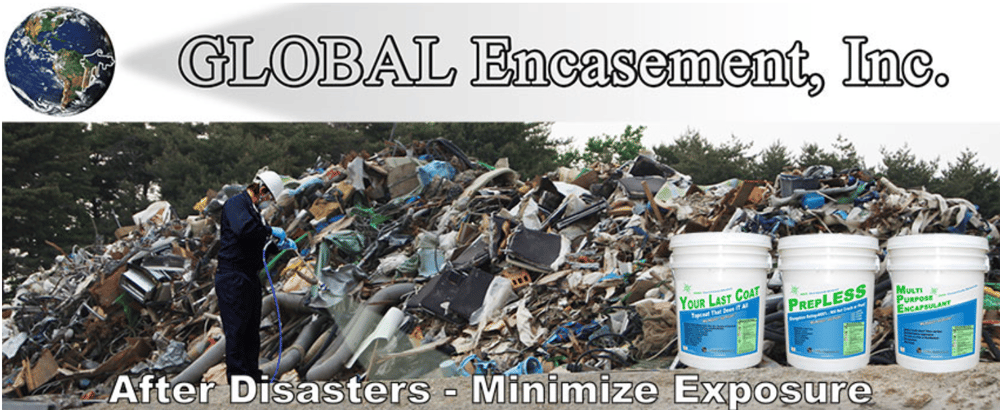
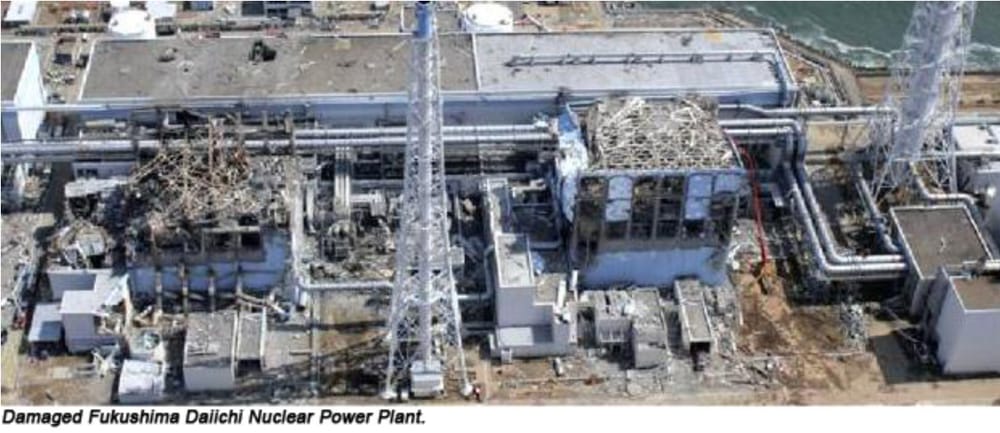
Green Coatings Aid in the Clean up after the Tsunami Disaster in Japan
Friday, January 19, 2018
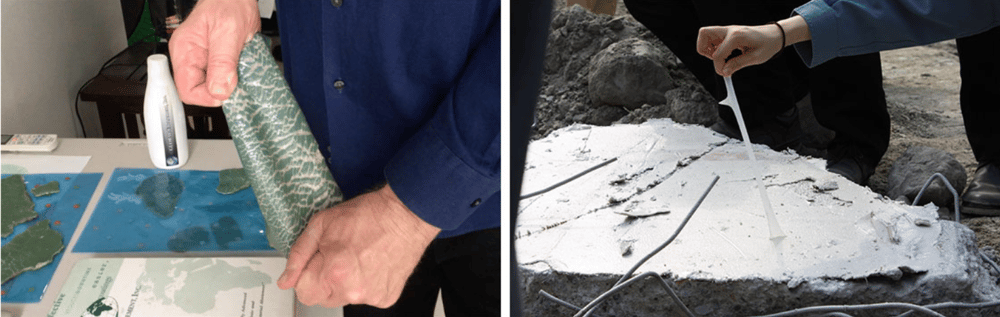
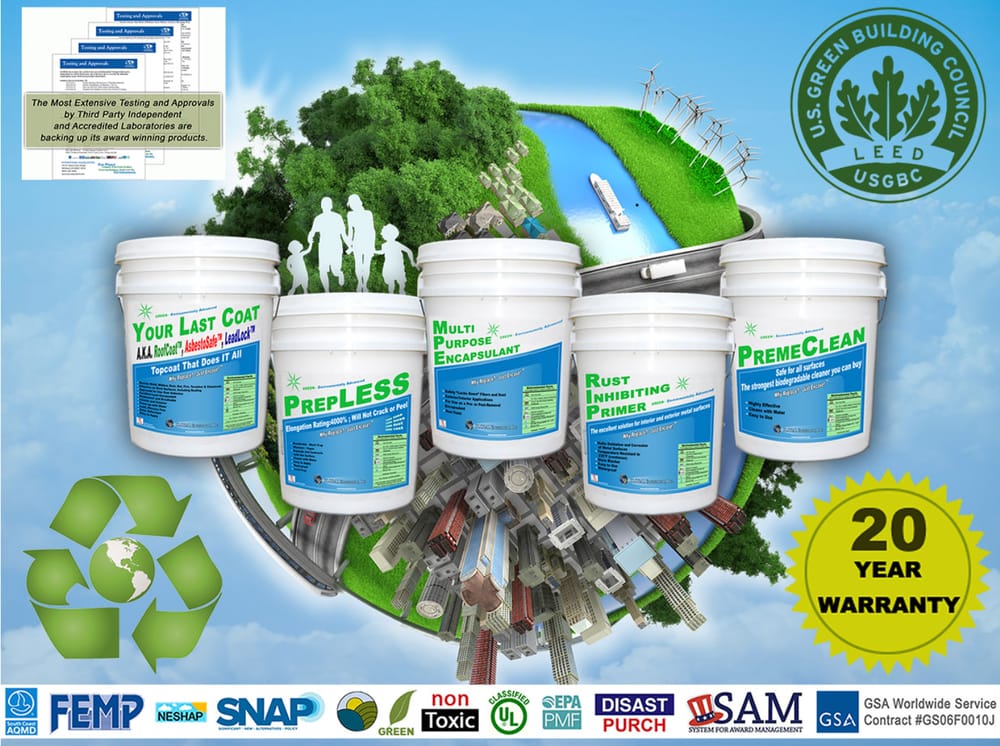
How Specific Green Coatings Benefit People, Buildings & Environment

© Copyright 2026 Global ENCASEMENT, Inc. | ALL Rights Reserved