
LONG-LASTING COATINGS
PROTECTING BUILDINGS & PLANET

Buildings Are Under Attack From Weather, Hazards & Aging
Green ENCASEMENT Coatings
Create Long-Lasting Protection Against All of It
Defending What You Have For Decades So You Don’t Have to Replace It


Solar Reflective Surfaces - Heat Island Effect
Monday, July 03, 2023
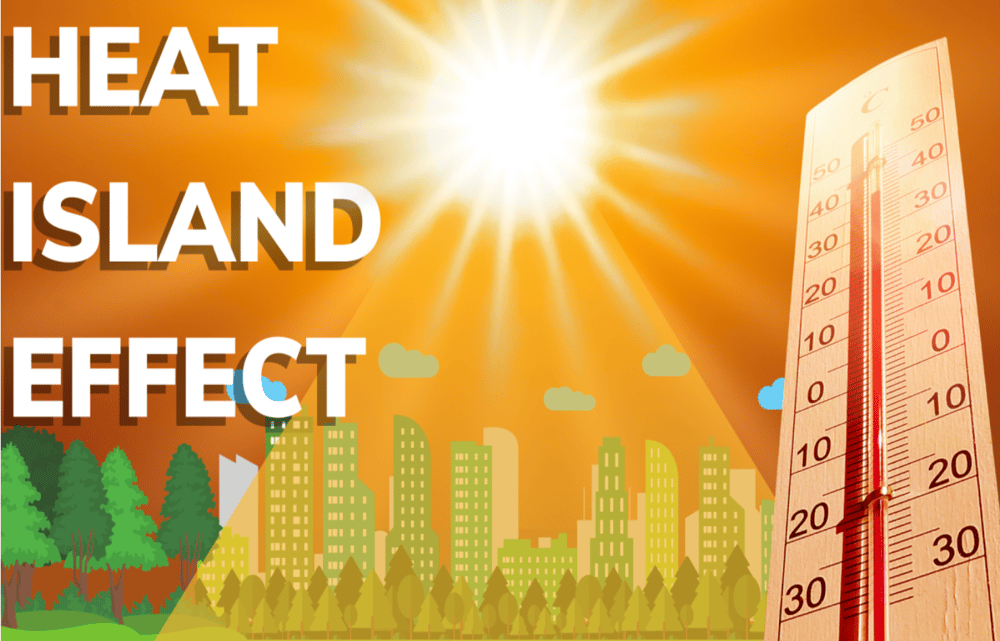
The Importance of Understanding the Heat Island Effect (HI).
As our world becomes increasingly urbanized, the phenomenon known as the Heat Island Effect (HI) is gaining attention due to its significant environmental impact.
Heat islands are urban areas that experience significantly higher temperatures compared to their surrounding rural areas.
Understanding the causes and consequences of heat islands is crucial for developing effective strategies to mitigate their effects.
In this Blog I’ll explore the definition of heat islands, their environmental impact, the correlation between urbanization and increased temperatures, and the role of solar reflective surfaces in mitigating the heat island effect
Defining Heat Islands and Their Environmental Impact:
Heat islands refer to urban areas characterized by significantly higher temperatures than their non-urban surroundings.
The primary causes of heat islands are the replacement of natural landscapes with impervious surfaces such as asphalt and concrete, and the concentration of human activities and infrastructure in urban areas.
These surfaces absorb and retain heat, leading to elevated temperatures in urban environments.
The environmental impact of heat islands is substantial. Higher temperatures in urban areas contribute to increased energy consumption for cooling, resulting in elevated greenhouse gas emissions.
Heat islands also affect human health, as prolonged exposure to extreme heat can lead to heat-related illnesses and even mortality, particularly in vulnerable populations such as the elderly, young children and the economically disadvantaged.
Additionally, heat islands can disrupt ecosystems, altering wildlife habitats and reducing biodiversity.
Correlation Between Urbanization and Increased Temperatures:
The process of urbanization plays a significant role in exacerbating the heat island effect. As cities expand and develop, natural vegetation is replaced by buildings, roads, and parking lots.
These surfaces absorb and re-emit solar radiation, causing temperatures to rise. Furthermore, the high density of buildings and infrastructure in urban areas traps heat, preventing its dissipation and resulting in even higher temperatures.
Urban areas also face a phenomenon known as the urban heat island (UHI) effect, where the city center experiences higher temperatures compared to the surrounding suburbs.
This temperature difference is primarily due to the concentration of human activities, industrial processes, and the release of waste heat from buildings and vehicles.
The UHI effect intensifies during heatwaves, further increasing the risks associated with extreme heat.
Analyzing the Role of Solar Reflective Surfaces in Mitigating HI:
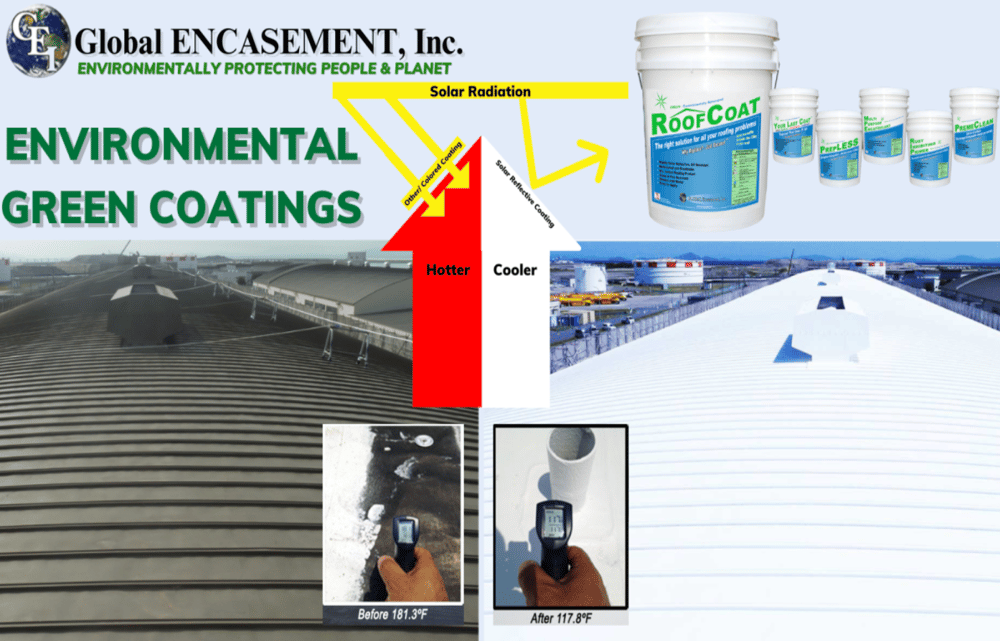
To mitigate the heat island effect, cities and urban planners are exploring various strategies, and one effective approach is the use of solar reflective surfaces.
These surfaces, often light-colored or designed with reflective properties, can help reduce the absorption of solar radiation and lower surface temperatures in urban areas.
One commonly employed solar reflective surface is cool roofing, which uses materials with high solar reflectance and thermal emittance.
Cool roofs can reflect a significant portion of solar radiation, reducing the heat absorbed by buildings and subsequently lowering indoor temperatures.
This, in turn, leads to reduced energy consumption for cooling and can improve thermal comfort within buildings.
Another strategy is the implementation of cool pavements, which employ light-colored or reflective materials for roadways and parking lots.
These surfaces minimize solar absorption and lower surface temperatures.
Solar reflection with light colored coatings on these surfaces has already been taking place on large projects such as coating the roadways in major cities like in Los Angeles, CA.
Additionally, cool pavements can enhance pedestrian comfort, reduce the risk of heat-related illnesses, and improve the overall livability of urban areas.
In recent years, green infrastructure has gained popularity as a means of combating the heat island effect.
Incorporating vegetation through green roofs, vertical gardens, and urban forests can provide shade, reduce the absorption of solar radiation, and facilitate evaporative cooling.
Green infrastructure also offers additional benefits such as improved air quality, stormwater management, and enhanced aesthetics.
Understanding the heat island effect and its implications is crucial for creating sustainable and resilient cities.
The correlation between urbanization and increased temperatures highlights the need for thoughtful urban planning and design.
By implementing solar reflective surfaces and integrating green infrastructure, cities can effectively mitigate the heat island effect, reduce energy consumption, improve public health, and enhance the overall livability of urban areas.
It is essential that policymakers, urban planners, and communities work together to address the challenges posed by heat islands and create urban environments that are adaptive to the changing climate.
In my next blog I’ll be explaining Thermal Emittance and it’s relation to solar reflective surfaces. George C. Keefe/Encasement Guy
If you find this information educational and may be helpful to others please pass it on. Also all comments are always appreciated and welcomed.
See other posts like this one:









© Copyright 2026 Global ENCASEMENT, Inc. | ALL Rights Reserved