
LONG-LASTING COATINGS
PROTECTING BUILDINGS & PLANET

Buildings Are Under Attack From Weather, Hazards & Aging
Green ENCASEMENT Coatings
Create Long-Lasting Protection Against All of It
Defending What You Have For Decades So You Don’t Have to Replace It


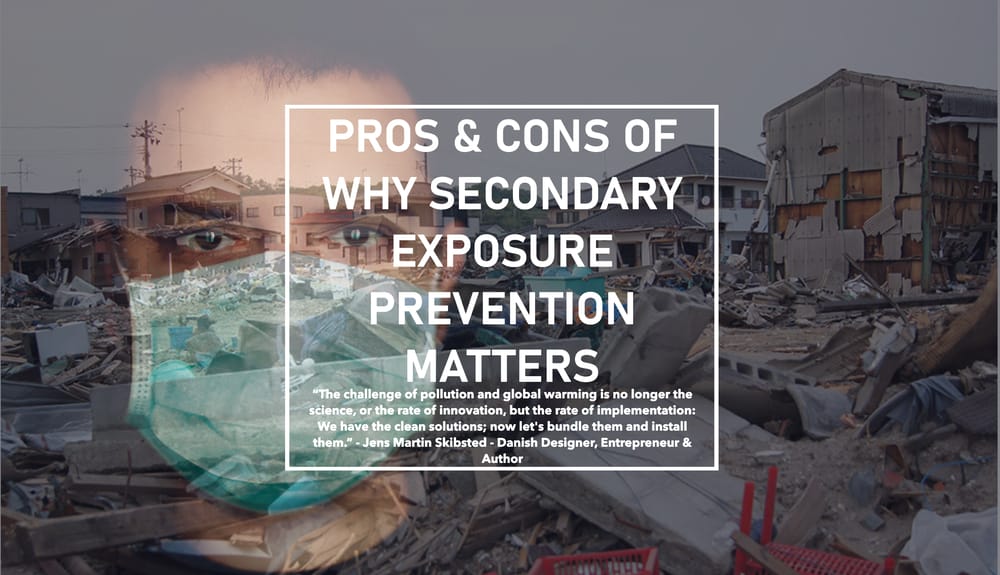
Pros & Cons of Why Secondary Exposure Prevention Matters
Wednesday, March 13, 2024
Listen and Learn: Dive into the Audio Version of Our Blog
In the aftermath of disasters like Fukushima, the urgency to understand how to prevent secondary exposure and proactively utilize the right green coatings has never been more apparent.
As both natural and man-made disasters continue worldwide, we need to learn how to better prepare for them.
We also need to properly prepare for the aftermath they leave behind using the best lockdown and clean up procedures, preventing and minimizing the fallout from harmful secondary exposure.
In the episode I highlight the essential pros and cons surrounding this crucial practice:
Pros:
1. Health Protection:
Preventing secondary exposure safeguards the health of workers and communities by minimizing contact with hazardous materials.
2. Environmental Preservation:
Green coatings help contain toxic debris, preventing its migration into air, water sources, and surrounding ecosystems.
3. Cost Reduction:
Efficient management of debris in place reduces cleanup costs, risks to workers, and long-term environmental impacts.
4. Community Benefits:
Standardized measures for control and management post-disaster enhance community safety and well-being.
5. Regulatory Improvement:
Pre-emptive legislation and regulatory infrastructure aid in facilitating swift and effective accident responses.
6. International Collaboration:
Modern approaches to managing complex projects foster international collaboration and knowledge sharing.
7. Long-Term Risk Mitigation:
Proactive measures mitigate risks associated with prolonged secondary exposure, ensuring sustained safety.
Cons:
1. Regulatory Gaps:
Absence of required regulatory infrastructure hinders the implementation of preventive measures and effective waste management.
2. Political Interference:
Poorly informed political decisions may impede preventative measures and compromise public health and environmental safety.
3. Communication Challenges:
Inadequate communication and compartmentalized thinking hinder the development of effective disaster management strategies.
4. Future Uncertainty:
Failure to learn from past disasters increases the likelihood of larger environmental and public health hazards in future catastrophes.
5. Variability in Disasters:
Each disaster presents unique challenges, requiring adaptable and comprehensive approaches to secondary exposure prevention.
6. Persistent Pollution:
Even after incineration or cleanup efforts, hazardous materials may persist, perpetuating secondary exposure risks.
7. Complex Cleanup Process:
Managing hazardous debris post-disaster requires meticulous planning, coordination, and execution, posing logistical challenges.
To Sum It Up:
The imperative to prevent secondary exposure and utilize green coatings for containment cannot be overstated.
By addressing the pros and cons outlined above, stakeholders can better understand the importance of proactive measures in safeguarding lives, preserving the environment, and reducing the long-term impacts of disasters.
Embracing standardized protocols, regulatory improvements, and international collaboration are essential steps toward building resilience in the face of future disasters.
Protecting lives and environment after disasters like Fukushima underscore the urgency of preventing secondary exposure.
By utilizing the right green coatings to contain hazardous debris, we can minimize environmental contamination and safeguard public health
Together, we can learn from past mistakes and forge a safer, more sustainable path forward.
“The challenge of pollution and global warming is no longer the science, or the rate of innovation, but the rate of implementation: We have the clean solutions; now let's bundle them and install them.” - Jens Martin Skibsted - Danish Designer, Entrepreneur & Author
What are your questions?
We are always here to help and excited to answer them.
Contact us at +1 (800) 266-3982 , or send us an email at service@encasement.com and leave a comment below.
See other posts like this one:






© Copyright 2026 Global ENCASEMENT, Inc. | ALL Rights Reserved