LONG-LASTING COATINGS
PROTECTING BUILDINGS & PLANET

Buildings Are Under Attack From Weather, Hazards & Aging
Green ENCASEMENT Coatings
Create Long-Lasting Protection Against All of It
Defending What You Have For Decades So You Don’t Have to Replace It

Know the Devastating Effects of Thermal Cycling on Buildings
Thursday, June 20, 2024

Listen and Learn: Dive into the Audio Version of Our Blog
When considering the integrity of buildings and infrastructure, thermal cycling emerges as a silent yet formidable adversary.
This phenomenon, characterized by repeated heating and cooling cycles, inflicts substantial thermal stress on materials, leading to their rapid degradation, breakdown, and eventual failure.
Understanding the mechanics of thermal cycling and implementing strategies to mitigate its effects is crucial for preserving the longevity of our built environment, especially in the face of escalating climate change.
In this episode I spotlight the understanding of thermal cycling and it’s potentially damaging effects.
Thermal cycling involves subjecting materials to fluctuating temperatures that swing between extremes.
This process induces expansion and contraction in materials, creating stresses that can lead to cracks, delamination, and other forms of damage.
Over time, these stresses accumulate, weakening the structural integrity of buildings and surfaces.
Whether it's the sweltering heat of summer days followed by the coolness of the night or the seasonal transitions from harsh winters to mild springs, the relentless cycle of temperature changes wreaks havoc on construction materials.
Impact on Building Materials
Concrete, metal, wood, roofing and composite materials all respond differently to thermal cycling, but none are immune to its effects.
Concrete may develop micro-cracks that, with repeated cycles, propagate and widen, compromising the strength and durability of the structure.
Metals, depending on their composition, might experience fatigue and brittleness, leading to fractures.
Wood can warp, split, and lose its structural cohesion.
Even advanced composites, touted for their strength and resilience, are not entirely resistant to the insidious damage caused by thermal cycling.
Consequences of Ignoring Thermal Cycling
The repercussions of neglecting thermal cycling can be severe.
Buildings and infrastructure that fail prematurely due to thermal stress not only incur substantial repair and maintenance costs but also pose safety risks.
Structural failures can lead to catastrophic collapses, endangering lives and disrupting communities.
Moreover, the environmental cost of replacing damaged materials contributes to increased carbon footprints, exacerbating climate change.
Eco-Friendly Solutions: Green Coatings and Sustainable Materials
To counteract the damaging effects of thermal cycling, the construction industry must embrace the new opportunity with eco-friendly products and sustainable practices.
The right green coatings, designed to protect and defend surfaces against extreme temperature variations, offer a viable solution.
These coatings are formulated to enhance the durability and resilience of building materials, providing a protective barrier that mitigates thermal stress for the long term.
Benefits of the Right Green Coatings
The right green coatings not only safeguard materials from thermal cycling but also offer additional environmental benefits.
Many of these coatings are made from non-toxic, renewable resources, reducing the reliance on harmful chemicals.
They often feature high reflectivity, which can minimize heat absorption, leading to cooler building surfaces and reduced urban heat island effects.
Furthermore, by extending the lifespan of building materials, the right green coatings decrease the frequency of repairs and replacements, stopping the unnecessary generation transportation and storage of unwanted waste, which in turn conserves resources and lowers overall environmental impact.
Connecting Green Solutions to Climate Change
Adopting the right green coatings and sustainable building practices aligns seamlessly with broader efforts to combat climate change.
Buildings account for a significant portion of global greenhouse gas emissions, primarily through energy consumption for heating, cooling, and maintenance.
By enhancing the durability of materials and reducing the need for frequent repairs, the right green coatings contribute to more energy-efficient buildings.
This, in turn, lowers the demand for energy production, often sourced from fossil fuels, thereby reducing carbon emissions.
Moreover, the use of eco-friendly products supports the shift towards a circular economy, where materials are reused, recycled, restored and maintained for longer periods.
This reduces waste, conserves natural resources, and promotes a more sustainable construction industry.
To Sum IT Up:
Thermal cycling poses a significant threat to the durability and safety of buildings and infrastructure.
However, through the adoption of the right green coatings and eco-friendly materials, we can mitigate its damaging effects and contribute to a more sustainable future.
These solutions not only protect our built environment but also play a crucial role in addressing the challenges of climate change.
By integrating innovative, sustainable practices into construction, we pave the way for resilient, long-lasting buildings that harmonize with our environmental goals.
“It's time to shift from being consumers to being caretakers. We have the power to shape a sustainable world through our choices.” - Mari Copeny - Youth Activist
What are your questions?
We are always here to help and excited to answer them.
Contact us at +1 (800) 266-3982 , or send us an email at service@encasement.com and leave a comment below.
See other posts like this one:

Tuesday, September 12, 2023
Managing Debris After Earthquake Disasters: Safeguarding Lives and Health
Monday, September 11, 2023
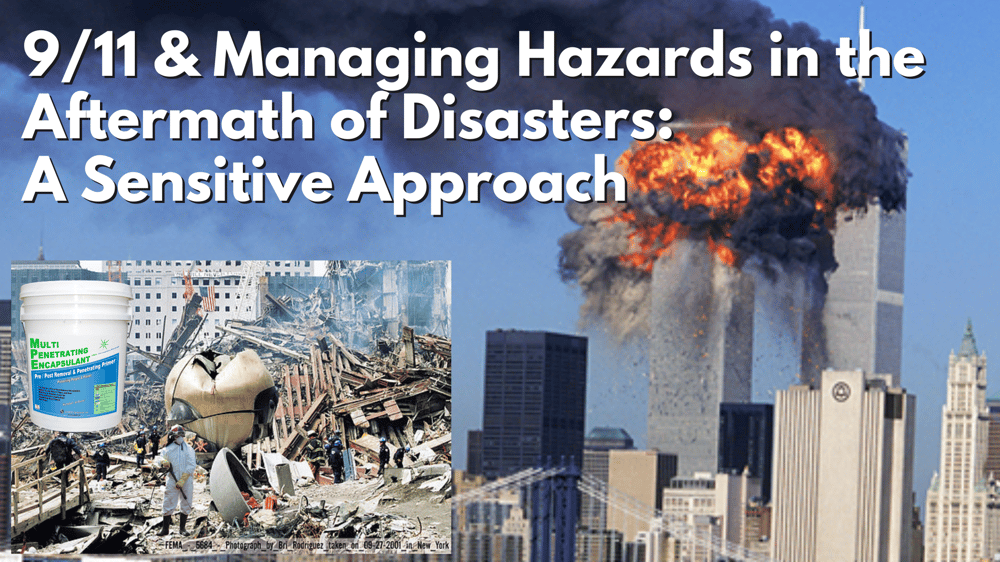
9/11 & Managing Hazards in the Aftermath of Disasters: A Sensitive Approach
Wednesday, September 06, 2023
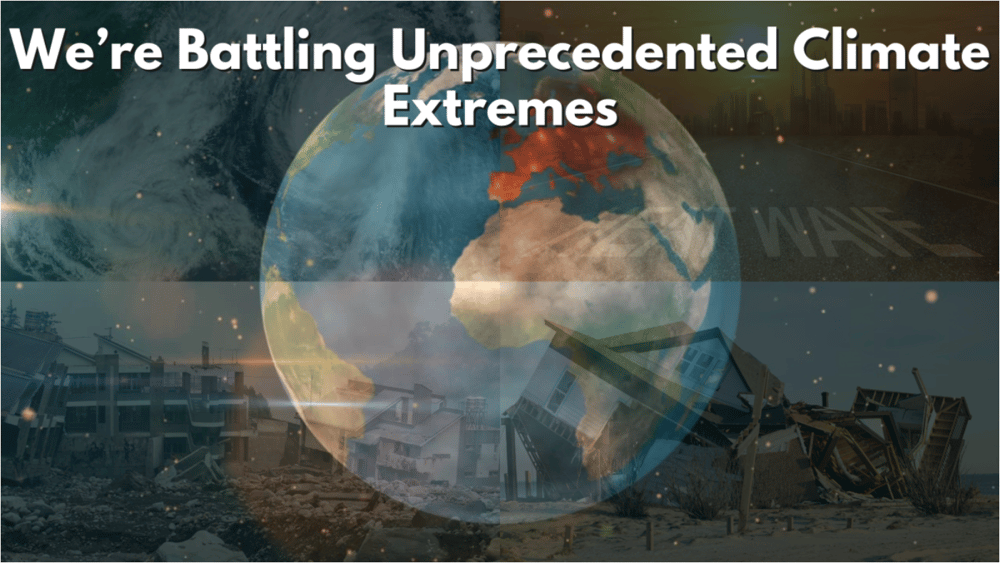
Fortify Your Future: Protecting Your Property in an Age of Climate Uncertainty & Insurance Coverage Retreat
Tuesday, September 05, 2023
Prayers Are Being Answered: A Hopeful Perspective on Combating Climate Change
Thursday, August 31, 2023
Unlocking a Greener Tomorrow: The Economic Advantages Embracing New Opportunities of Green Coatings Encasement
Wednesday, August 30, 2023
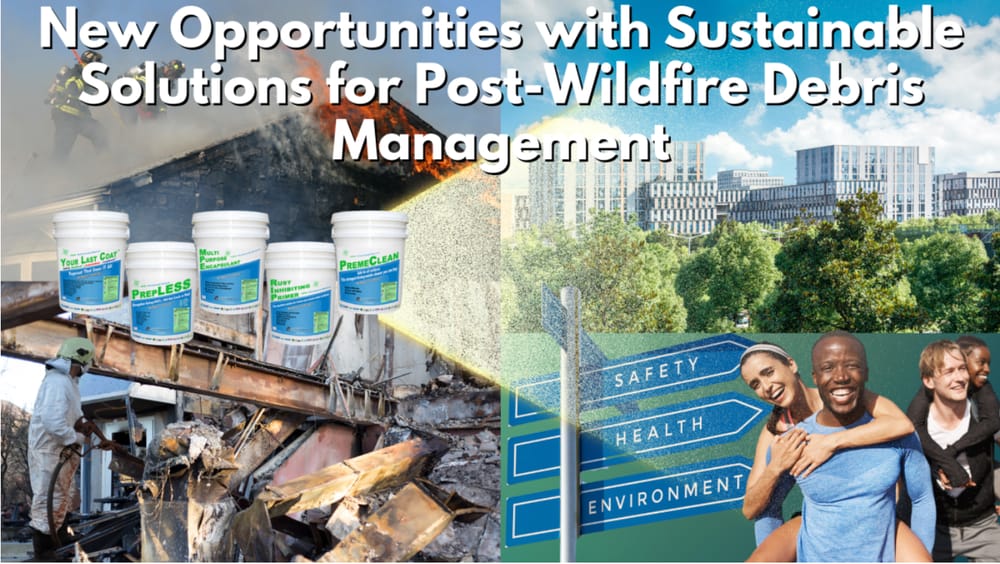
New Opportunities with Sustainable Solutions for Post-Wildfire Debris Management
Friday, August 18, 2023
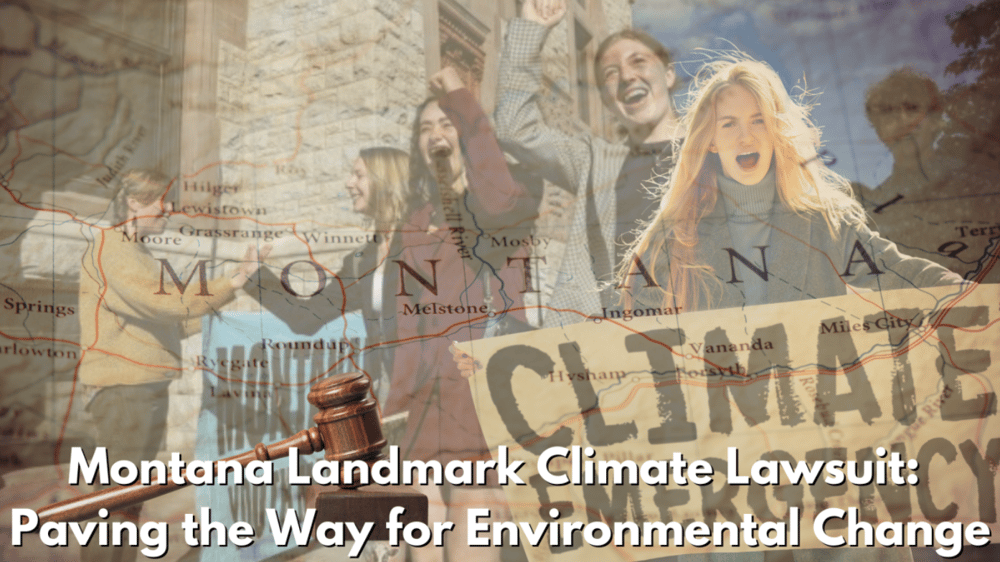
Montana Landmark Climate Lawsuit: Paving the Way for Environmental Change
Wednesday, August 16, 2023
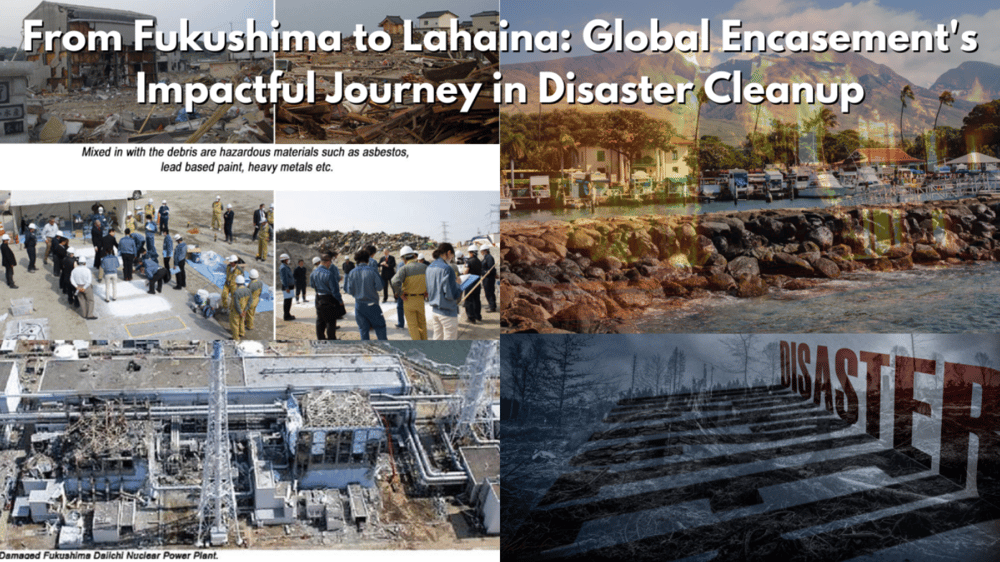
From Fukushima to Lahaina: Global Encasement's Impactful Journey in Disaster Cleanup

Monday, August 07, 2023
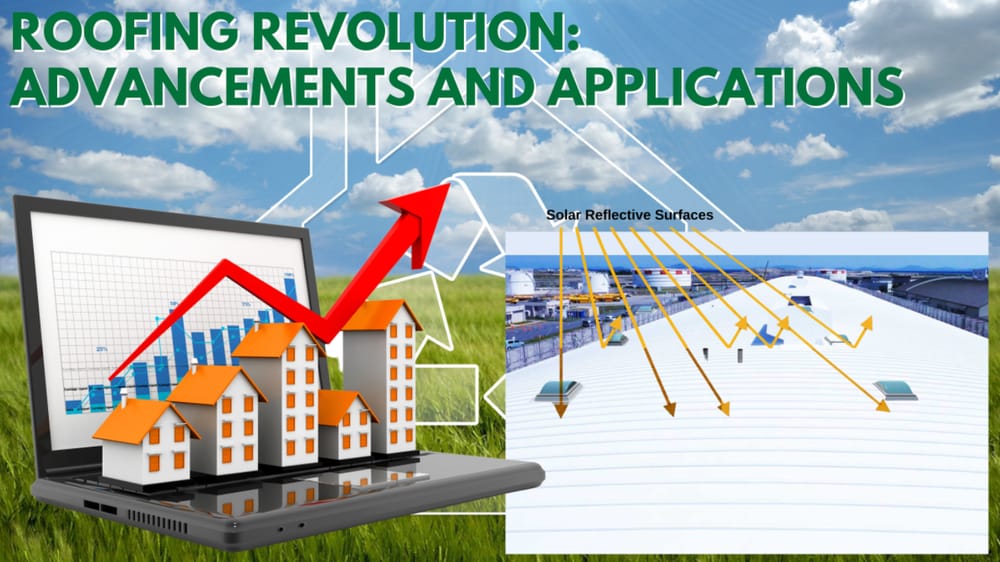
Best Practices: Integrating Solar Reflective Surfaces and Environmental Coatings

© Copyright 2026 Global ENCASEMENT, Inc. | ALL Rights Reserved